


Nerves of Steel: Automation Control and Component Reliability in Modern Steel Manufacturing
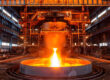
Steel manufacturing is a testament to human engineering—a brutal yet highly orchestrated environment where raw materials and scrap are subjected to thousands of degrees of heat and thousands of tons of pressure. Whether producing high-tensile beams for skyscrapers or ultra-thin electrical steel for electric vehicles, a modern steel mill is a symphony of extreme forces. Yet, directing this massive, heavy machinery is a delicate, highly sophisticated network of industrial automation.
Precision in the Face of Extreme Forces
The journey from liquid metal to a finished coil of steel is a continuous, unforgiving process that leaves no room for human error. The automation control systems in a steel plant must manage incredibly dynamic variables in real-time, often in environments choked with metallic dust, intense vibration, and blistering heat:
- Electric Arc Furnace (EAF) Regulation: In modern scrap-based steelmaking, control systems must dynamically adjust massive carbon electrodes multiple times a second. By analyzing electrical feedback, the system maintains the perfect arc length, optimizing energy consumption while preventing the electrodes from crashing into the scrap metal.
- Continuous Casting: As liquid steel pours into molds to form solid slabs, the automation system controls the exact cooling rate and extraction speed. If the outer shell of the steel cools too slowly or is pulled too fast, liquid steel can rupture through—a catastrophic event known as a “breakout.”
- Automatic Gauge Control (AGC): In the rolling mills, where glowing slabs are smashed into thin sheets, high-speed controllers adjust the gap between hydraulic rollers in milliseconds. They must compensate for the metal’s temperature and tension to achieve thickness tolerances down to a few micrometers.
The Unforgiving Cost of Interruption
In a steel mill, the process cannot simply be paused. The machinery and the molten product are locked in a continuous physical flow, making any unexpected loss of control a high-stakes emergency.
If a critical network gateway fails or a drive controller malfunctions during the hot rolling process, the red-hot steel traveling at high speeds loses its synchronization. The resulting crash—known as a “cobble”—sends hundreds of feet of tangled, glowing steel flying across the mill floor. Beyond the obvious safety hazards, clearing a cobble and repairing damaged rollers can halt production for days. Similarly, losing control of a ladle or continuous caster can result in hundreds of tons of metal solidifying in the wrong place, requiring jackhammers and weeks of labor to clear.
Strategic Component Readiness: The Mill’s Lifeline
Because the electronic “brains” of the mill are operating in one of the harshest industrial environments on earth, hardware wear and tear is an accepted reality. To prevent a degraded circuit board from causing a million-dollar cobble or breakout, steelmakers must employ an aggressive, strategic approach to component inventory.
- Rapid Fault Recovery in Harsh Zones: When an I/O module in a dusty, high-vibration area begins to send erratic sensor data, the maintenance team cannot wait weeks for a replacement to ship. Having exact, pre-tested processing units, communication cards, and power supplies in the on-site warehouse allows technicians to swap out the failing component immediately, restoring full control before a minor data glitch cascades into a physical disaster.
- Bridging the Generational Gap: The heavy mechanical assets of a steel mill—the furnaces, the rolling stands, the cranes—are built to endure for 40 to 50 years. However, the microprocessors controlling them have much shorter lifecycles. Maintaining a robust inventory of legacy control cards and discontinued automation parts is the only way to keep these massive mechanical investments running without being forced into a premature, plant-wide electronic retrofit.
Conclusion
The awe-inspiring power of a steel mill is entirely dependent on the invisible, microsecond decisions made by its control architecture. By maintaining resilient automation systems and a rigorously managed inventory of critical spare components, steel manufacturers ensure that their plants can withstand the brutal realities of heavy industry. It is this combination of rugged machinery and highly reliable electronic control that keeps the furnaces burning, the mills rolling, and the global supply chain moving.