



Description
SHINKAWA VM-5T-21010-111-111-011-0EX5
Technical Specifications: Model: VM-5T-21010-111-111-011-0EX5 Measurement channels: Dual independent thrust monitoring channels Measurement range: -1.0mm ~ 0 ~ +1.0mm Input sensor type: Eddy current proximity probe Output: 4-20mA analog output, relay contact alarm output Power supply: 24VDC Explosion protection: EX explosion-proof certification Operating temperature: 0℃ to +60℃ Storage temperature: -20℃ to +70℃ Relative humidity: 5% to 95%, non-condensing Mounting: Rack plug-in module for VM-5 series rack
Functional Features: Dual channel measurement of shaft axial thrust displacement. Independent alert and danger threshold setting for each channel. Relay contact alarm output for alert and danger status. 4-20mA analog output to transmit thrust value to DCS system. Sensor cable break and short circuit detection function. Front panel digital display of real-time thrust displacement value. Latch or automatic reset selection for alarm status. Explosion-proof design for hazardous area application.
Application Scenarios: Steam turbine shaft thrust supervision, gas turbine thrust bearing protection, centrifugal compressor axial displacement monitoring, petrochemical turbomachinery TSI system, power plant generator turbine supervisory instrumentation, hazardous area rotating machinery monitoring.
Performance Parameters: High measurement linearity across full thrust range. Low temperature drift for long-term stable measurement. Fast response for rapid shaft axial movement. High noise rejection for eddy current probe signal.
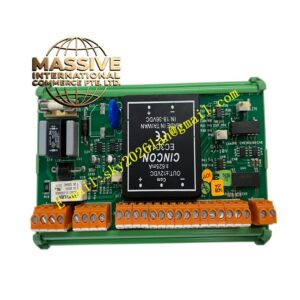
Material Composition: FR4 high precision printed circuit board. Eddy current signal conditioning circuit components. Microprocessor for signal calculation and threshold comparison. Relay components for alarm contact output. Flame retardant metal front panel with digital display. Gold plated backplane connectors.
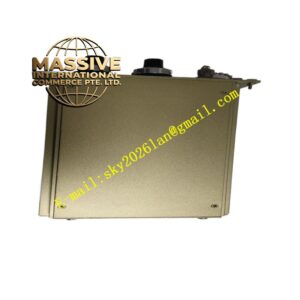
Structural Features: Rack plug-in module form factor for SHINKAWA VM-5 rack. Front panel with digital display, status LED and setting buttons. Front terminal blocks for probe cable, power supply and signal output. Internal circuit isolation for sensor input and alarm output. Metal housing for explosion protection and EMC shielding.
Working Principle: 24VDC power energizes the monitor module. Two eddy current proximity probes generate high frequency electromagnetic field. The module receives probe signal and calculates distance between probe tip and shaft thrust collar. The measured axial displacement value compares with preset alert and danger thresholds. When displacement exceeds threshold, corresponding relay activates and triggers alarm signal. 4-20mA output converts measured displacement value to standard analog signal for upper DCS system. Onboard diagnostic circuit continuously checks probe cable integrity and reports cable fault.
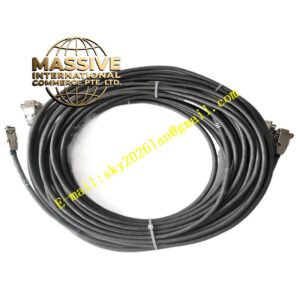
Installation Requirements: Insert module into designated slot of SHINKAWA VM5 rack. Use matched eddy current probe and extension cable specified by Shinkawa. Install rack inside IP20 control cabinet. Use shielded coaxial cable for proximity probe wiring. Complete protective earth connection for rack chassis. Verify explosion-proof installation specification when deployed in hazardous zone.
Usage Notes: Calibrate probe gap during machine commissioning. Set alert and danger threshold according to machinery design specification. Check probe cable insulation integrity periodically. Power off rack before removing module. Do not modify explosion-proof housing structure.