


Description
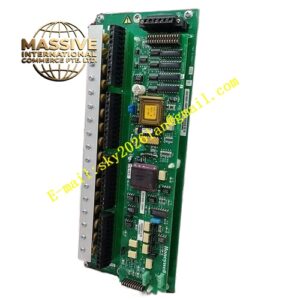
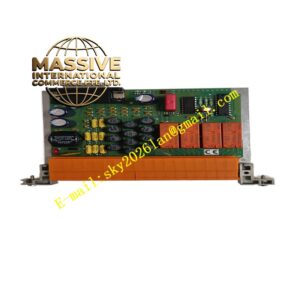
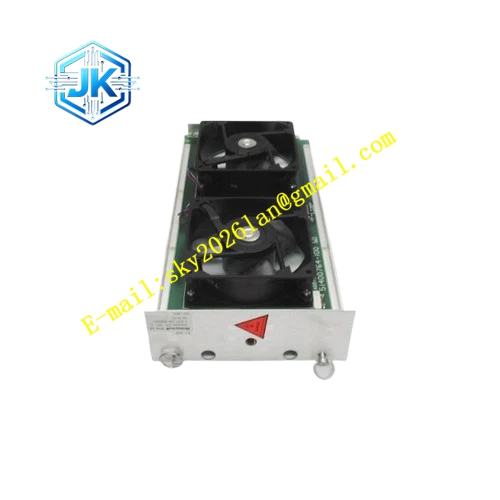
Honeywell 51403135-100
Technical Specifications Interface Type: Dual redundant UCN coaxial ports, BNC connectors Communication Rate: 5Mbps Backplane Interface: HPM controller internal bus Power Supply: 5V DC Power Consumption: 6.8W Operating Temperature Range: 0℃ to 60℃ Storage Temperature Range: -40℃ to 85℃ Isolation Withstand Voltage: 1500V AC Relative Humidity: 5% to 95%, non-condensing
Functional Features It realizes electrical isolation between the controller mainboard and UCN bus to block ground loop interference. It monitors signal amplitude and error count of both A and B links continuously. It completes automatic bumpless switching between active and standby links without interrupting control services. It executes hardware CRC check for every UCN message frame. It supports hot swap. It uploads link attenuation, connector fault and cable breakage alarm information to the system diagnostic page. It matches the impedance characteristics of 50Ω UCN coaxial network.
Application Scenarios Redundant UCN communication configuration for HPM high-performance process managers. Communication channel replacement for APM advanced process manager stations. Network reliability upgrade for critical safety interlock control loops. Replacement of damaged link interface units in legacy TPS DCS cabinets.
Performance Parameters Link Switching Time: ≤10ms Signal Insertion Loss: ≤0.3dB Message Check Error Reporting Resolution: 1 frame Impedance Matching Accuracy: 50Ω ±2Ω
Material Composition PCB Substrate: Low-loss high-frequency FR-4 multi-layer board with RF impedance control layout Differential signal isolation and transceiver chips Impedance matching network components Gold-plated BNC coaxial connectors Gold-plated back edge fingers Aluminum alloy front panel with anodized anti-oxidation treatment
Structural Features Standard European pluggable card, suitable for the dedicated communication slot of HPM rack. Front panel is equipped with run indicator light, A link indicator light and B link indicator light. Two sets of BNC connectors are arranged on the side panel for A and B UCN bus wiring. RF signal area is fully shielded to isolate digital noise from the controller mainboard. Signal isolation components are separated from power circuit to reduce cross interference.
Working Principle The module receives serial data packets from the HPM controller mainboard and transmits packets to the active UCN link. It receives response frames uploaded from the UCN network and transmits valid data back to the controller. It continuously samples the signal quality of both links. When the active link signal quality drops below the threshold, the module switches the communication path to the standby link immediately. It records all link abnormal events and sends alarm tags to the DCS alarm system.
Installation Requirements Insert the module vertically into the dedicated communication slot of HPM rack and tighten fixing screws. Use 50Ω RF coaxial cables for A and B link wiring and ensure reliable BNC connection. The two redundant cables shall be laid in separate cable trays to avoid simultaneous damage. After power on, enter the HPM diagnostic page and confirm both links show normal online status. Install 50Ω terminal resistors at the physical ends of the UCN trunk cable.
Precautions Release static electricity before handling the module to protect high-frequency transceiver chips. Do not bend the coaxial cable with radius smaller than the specification limit, which will cause signal attenuation. Check BNC connectors and terminators first when frequent communication errors occur. Firmware version must keep consistent with the HPM controller and other UCN network nodes. Moisture and dust accumulation on BNC connectors will lead to intermittent communication dropout.