


Description
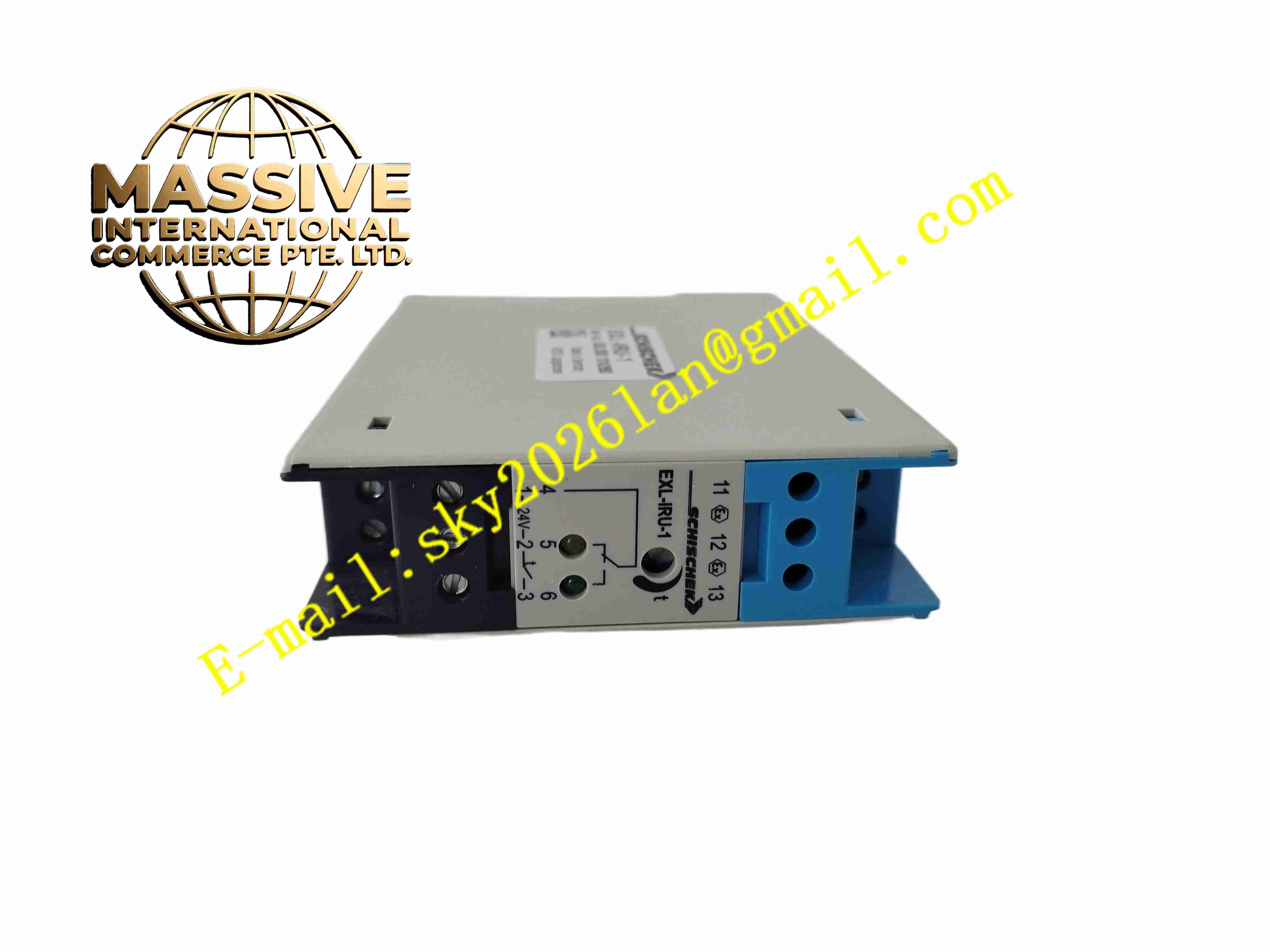
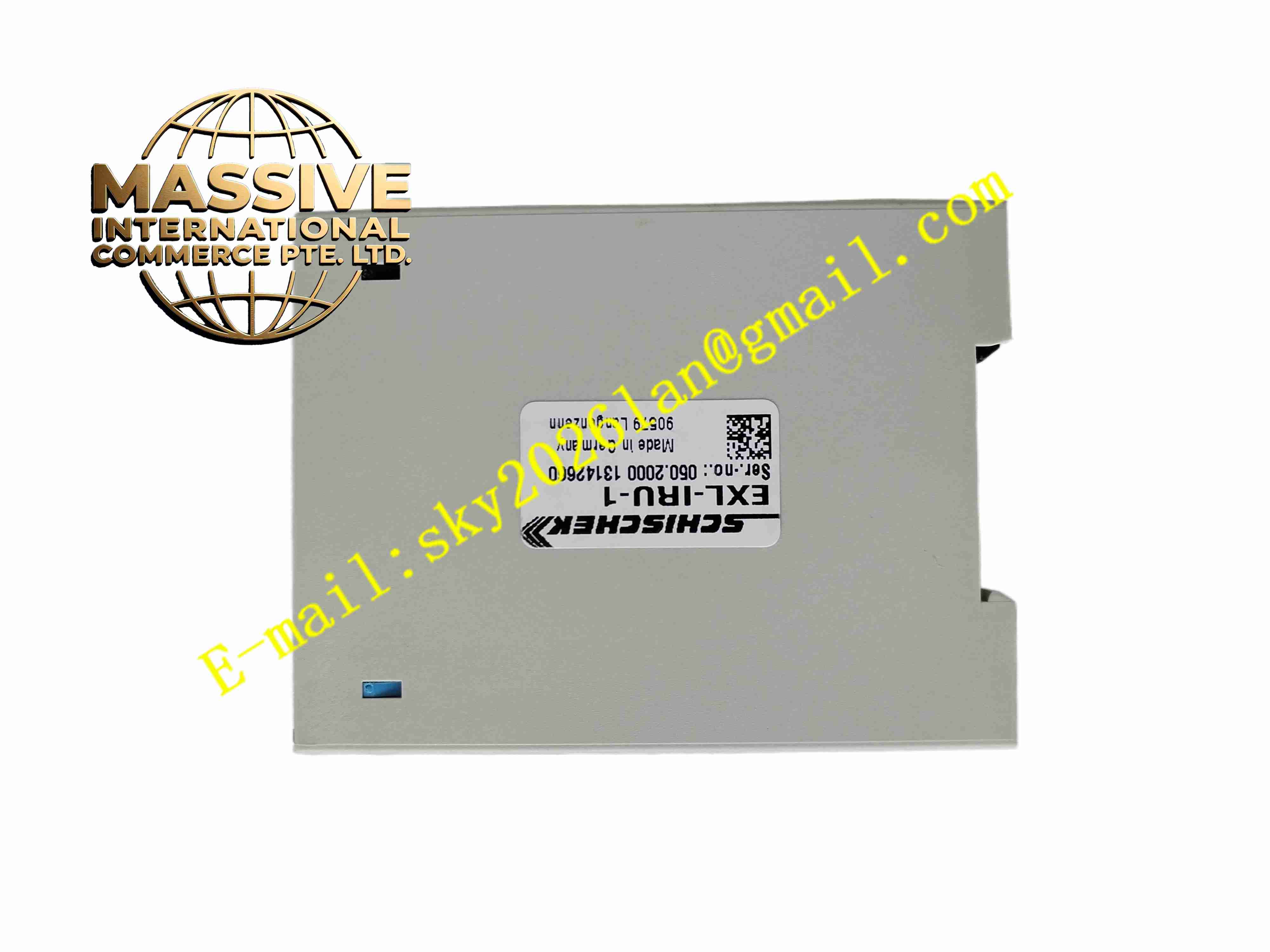
Schischek EXL-IRU-1
Technical Specifications:
- Detection Principle: Infrared spectrum flame detection
- Flame Type: Hydrocarbon fuel flame (gas, oil, gasoline)
- Power Supply: 24 VDC
- Output Signal: Relay contact output and analog signal option
- Explosion Protection: ATEX Ex certified for hazardous zone
- Operating Temperature: -40 °C to +70 °C
- Storage Temperature: -40 °C to +85 °C
- Protection Class: IP66
- Housing Material: Cast aluminum alloy explosion proof enclosure
- Response Time: Adjustable flame response delay
Function Features:
- Infrared spectrum analysis to identify hydrocarbon flame and reduce false alarm
- Explosion proof housing for installation in classified hazardous gas zones
- Built-in automatic optical window contamination monitoring
- Relay contact alarm output for hardwired safety interlock
- LED status indicator for power, fault and flame alarm
- Wide operating temperature range for outdoor industrial installation
- Resist interference from sunlight and hot background objects
- Optical window self-check function
Application Scenarios:
- Refinery and chemical plant hydrocarbon flame monitoring
- Gas turbine burner hazardous area flame detection
- Oil storage tank farm fire detection
- Offshore platform flame safety monitoring
- Petrochemical process furnace fire protection
Material Composition:
- Explosion Proof Housing: Cast aluminum alloy with corrosion resistant coating
- Optical Window: Heat resistant transparent sapphire glass
- Internal PCB: FR4 fiberglass circuit board with conformal coating
- Sensor Element: Infrared photodiode spectrum sensor
- Terminals: Explosion proof sealed screw terminal block
- Seals: FKM sealing gaskets for enclosure flameproof integrity
Structural Features:
- Cylindrical explosion proof cast aluminum housing
- Front sapphire optical window facing monitored flame area
- External mounting lugs for bracket installation
- Side entry sealed cable gland for field wiring
- Internal sealed terminal chamber separated from sensing chamber
- External LED indicator visible through explosion proof window
Working Principle: Hydrocarbon flame emits specific infrared radiation spectrum. The infrared sensor inside detector receives flame radiation and converts light signal into electrical signal. Onboard circuit analyzes spectrum characteristics to distinguish real flame from interference sources such as sunlight and hot metal surface. When flame signal exceeds threshold for preset delay time, detector activates alarm relay output and sends flame alarm signal to safety logic controller. Optical window contamination monitoring circuit checks window cleanliness continuously and triggers fault alarm when window is blocked.
Installation Requirements:
- Mount detector on rigid bracket with clear line of sight to protected flame area
- Avoid direct sunlight reflection and hot object radiation hitting optical window
- Use explosion proof cable gland and certified field cable for hazardous area wiring
- Maintain proper protective earth connection of metal housing
- Keep optical window clean and avoid mechanical scratch on sapphire glass
- Follow ATEX hazardous area installation standards
Usage Notes:
- Set flame response delay time during commissioning to avoid false alarm
- Inspect optical window for dust, oil and condensate periodically
- Do not scratch or impact sapphire optical window
- Disconnect power supply before opening explosion proof housing
- Verify detector function with flame simulator test during plant outage
- Do not use in environments outside explosion certification scope