


Description
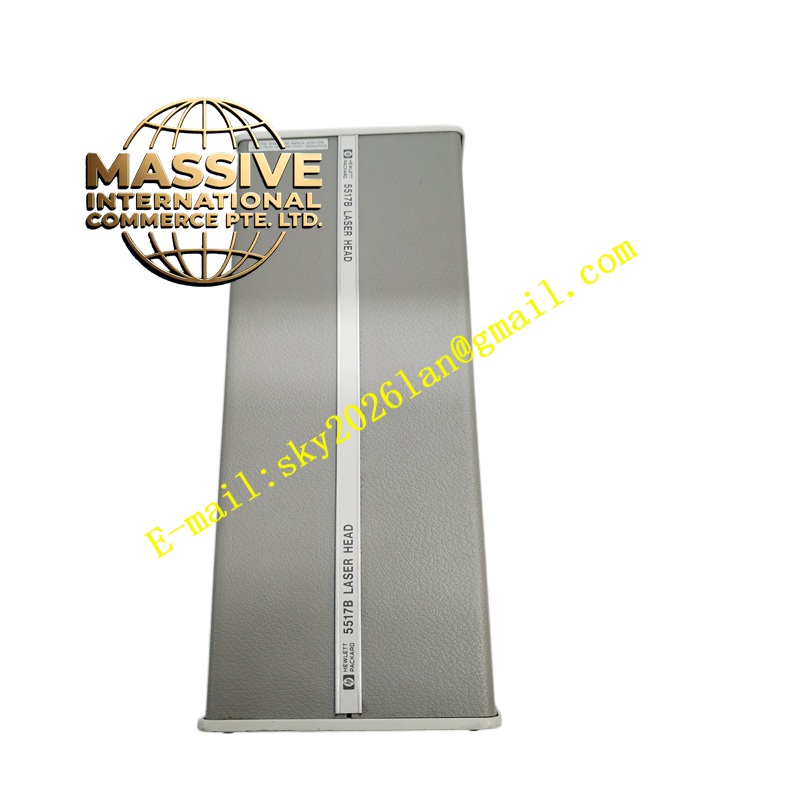
Agilent 5517B
Technical Specifications:
- Brand: Agilent (formerly Hewlett-Packard)
- Model: 5517B
- Product Type: Dual-Frequency HeNe Laser
- Wavelength: 632.8 nm
Functional Features:
- Frequency Stability: Provides exceptional frequency stability for long-term measurement accuracy.
- Dual-Frequency Output: Generates two orthogonally polarized frequencies for use in heterodyne interferometry.
- Warm-Up Indicator: Features a status indicator to show when the laser has reached thermal equilibrium and optimal stability.
Application Scenarios:
Widely used in semiconductor manufacturing equipment, precision machine tool calibration, coordinate measuring machines (CMM), and scientific research laboratories.
Performance Parameters:
- Output Power: Typically > 0.5 mW per frequency
- Frequency Stability: < 1 MHz over operating temperature range
- Warm-Up Time: Approximately 30 minutes to reach specified stability
Material Composition:
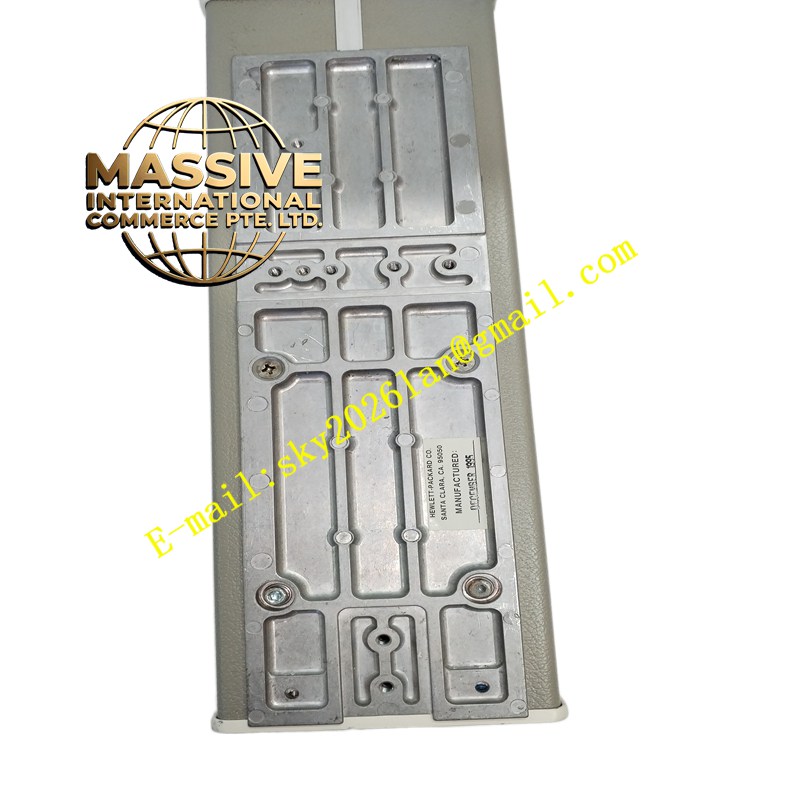
Housed in a precision-machined aluminum enclosure with internal thermal management components. Contains a sealed HeNe laser tube.
Structural Features:
Cylindrical laser head with a precision optical output window. Features a standard mounting bracket and electrical connector for easy integration.
Working Principle:
Utilizes the Zeeman effect or thermal tuning to generate two slightly different optical frequencies. The frequency difference serves as a highly stable reference for interferometric measurements.
Installation Requirements:
Mount securely to minimize vibration. Allow adequate space for thermal dissipation and avoid exposing the laser to direct airflow or temperature gradients.
Usage Precautions:
Never look directly into the laser beam. Allow sufficient warm-up time before critical measurements. Handle the optical window with care to prevent contamination.