


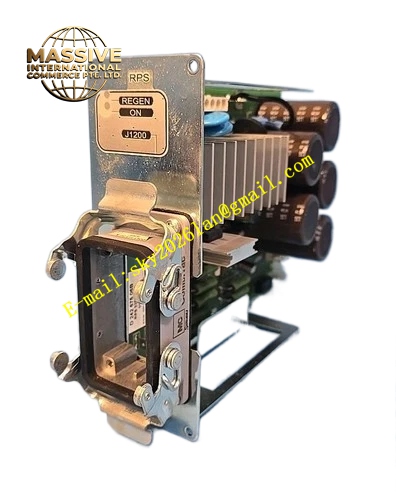
Description
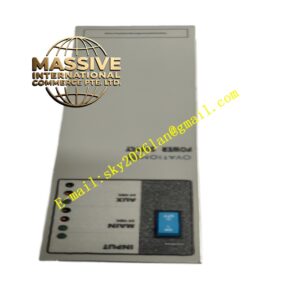
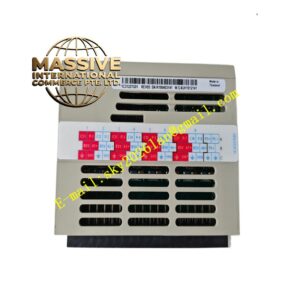
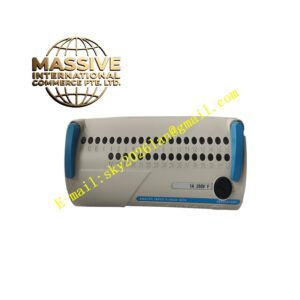
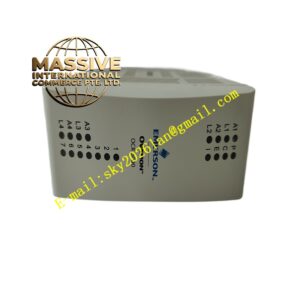
Emerson A6312-06
Technical Specifications
- Input signal: Eddy current probe signal, acceleration sensor signal
- Number of channels: 6 input channels
- Signal processing: High-speed sampling and filtering
- Operating ambient temperature: 0℃ ~ 60℃
- Storage temperature: -40℃ ~ 85℃
- Relative humidity: 5% ~ 95%, non-condensing
- Output: Relay alarm contacts and analog 4-20mA output
- Support speed and gap voltage measurement
Functional Features High-speed sampling circuit captures fast-changing vibration waveforms of rotating machinery. Built-in digital filtering removes high-frequency noise from sensor cables. Each channel supports independent threshold configuration for warning and trip alarm. Relay contact outputs can trigger external protection interlock. 4-20mA analog output transfers vibration value to DCS or SCADA system. Front panel LED indicators show channel status, warning and trip events. Onboard data buffer stores vibration waveform during fault event capture.
Application Scenarios Vibration monitoring cabinets for steam turbines, centrifugal compressors, large fans and heavy-duty motors in power plants, oil refineries and chemical plants.
Performance Parameters
- High sampling rate captures transient vibration peak of rotating machine
- Signal filtering maintains stable measurement under industrial electromagnetic noise
- Threshold comparison circuit responds rapidly when vibration exceeds limit
- Relay contacts achieve stable switching for protection interlock circuits
- Measurement accuracy remains consistent under long-term continuous operation
Material Composition Metal casing with anti-static coating. Internal multi-layer flame-retardant glass fiber epoxy PCB board. High-speed analog front-end chips, signal processing microprocessor, relay components and LED indicators. Gold-plated connectors for sensor wiring and backplane connection. Terminal blocks use flame-retardant PA plastic and nickel-plated copper terminals.
Structural Features Rack-mount plug-in module for machinery monitoring rack. Front panel includes LED indicators and local status display. Internal metal shielding layer reduces electromagnetic interference. Rear connector group connects with rack backplane and sensor field wiring. Mechanical latches fix module inside rack.
Working Principle Vibration sensors installed on rotating equipment send raw analog signals to the module input channels. The front-end circuit conditions and amplifies sensor signals. High-speed ADC converts analog waveform into digital data. Onboard processor calculates vibration amplitude, shaft displacement and rotational speed. The processor compares measured value with preset alarm and trip thresholds. When value exceeds threshold, the module activates relay contacts and uploads alarm status. Analog conversion circuit outputs corresponding 4-20mA signal for host system.
Installation Requirements Insert module into designated slot of machinery monitoring rack and lock fasteners. Route sensor cables separately from high-power cables to reduce interference. Use dedicated low-noise coaxial cables for eddy current probes. Connect cabinet protective earth to ground bus reliably. Set warning and trip threshold parameters in configuration software after hardware installation.
Precautions for Use Cut off sensor loop power before connecting probe cables. Avoid bending eddy current probe coaxial cable with small radius. Verify probe gap calibration after installation. Do not apply high voltage to sensor input terminals. Backup configuration parameters before module replacement. Regularly inspect cable insulation and connector condition.