


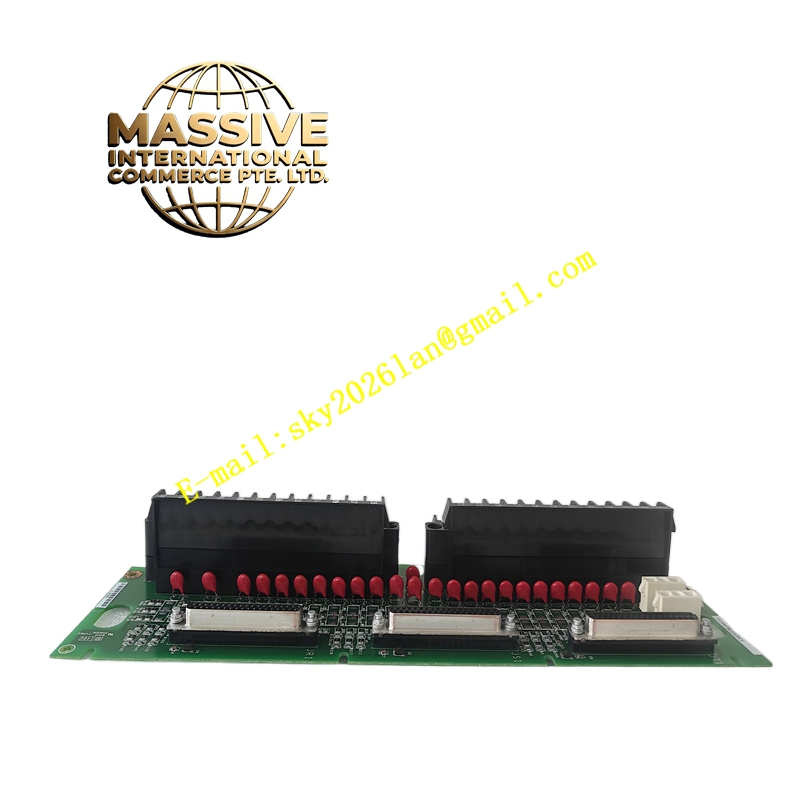
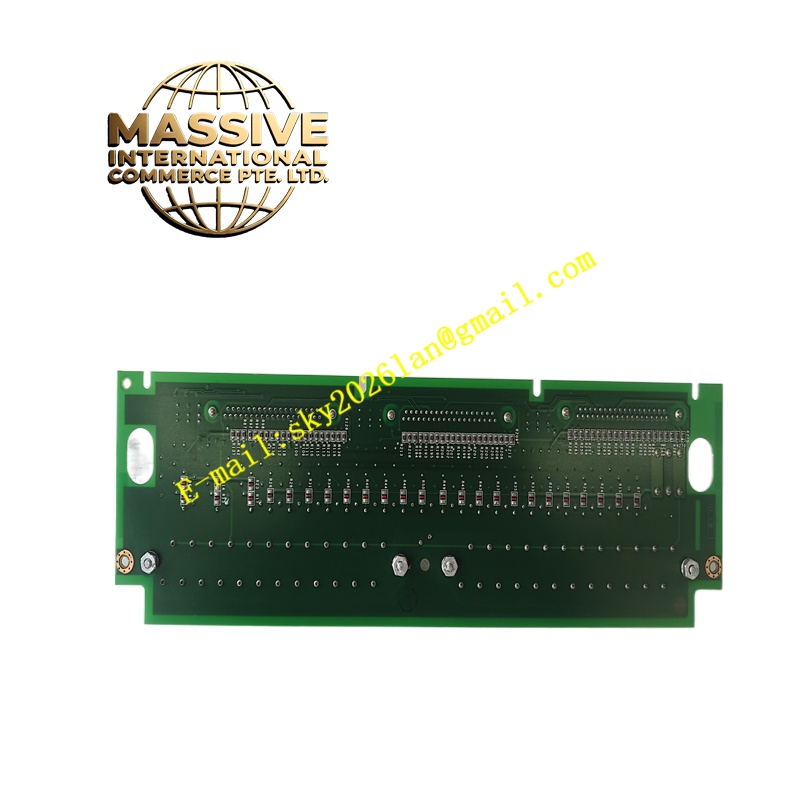
Description
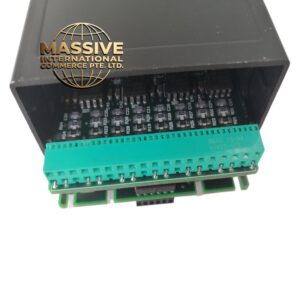
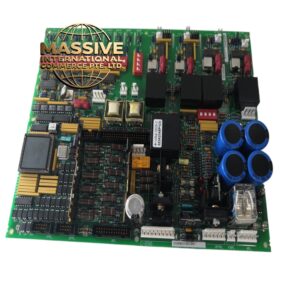
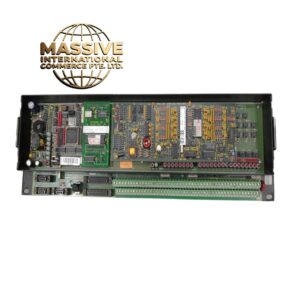
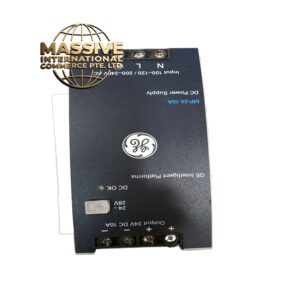
GE IS200TBCIH2BCE Technical Specifications:
- I/O Type: Discrete (Binary) Inputs and Outputs.
- System: GE Mark VI Speedtronic.
- Voltage Levels: Compatible with standard industrial control voltages (24VDC, 120VAC).
- Isolation: Galvanic isolation between field circuits and backplane.
- Form Factor: Standard Mark VI I/O pack.
Functional Features:
- Discrete Monitoring: Reads the state of limit switches, pressure switches, and relay contacts.
- Binary Control: Drives solenoid valves, indicator lights, and alarm horns.
- Fault Detection: Open wire and short circuit detection on output channels.
- Status Indication: Front-panel LEDs for real-time channel status.
Application Scenarios:
- Turbine auxiliary system control (lube oil, hydraulic, cooling).
- Safety interlock and permissive monitoring.
- Alarm annunciation and indication.
- Solenoid valve actuation for fuel and steam control.
Performance Parameters:
- Response Time: Fast switching and state detection for precise control.
- Reliability: High MTBF for continuous industrial operation.
- Noise Immunity: Robust filtering to prevent false triggering in electrically noisy environments.
Material Composition & Structural Characteristics:
- PCB: Conformal-coated multi-layer board for harsh environment protection.
- Components: Industrial-grade relays, optocouplers, and solid-state switches.
- Connectors: High-density field wiring connectors and VME backplane interface.
- Enclosure: Ruggedized I/O pack housing.
Working Principle: Input circuits use optocouplers to isolate field signals from the backplane, converting them to digital logic levels. Output circuits use relays or solid-state switches to drive field loads based on commands from the core processor. Diagnostic circuits continuously monitor the health of each channel.
Installation Requirements:
- Wiring: Use shielded cables for discrete inputs to prevent noise pickup.
- Load Rating: Verify that connected loads do not exceed the output channel ratings.
- Grounding: Properly ground the field wiring shield at the terminal board.
- Configuration: Configure input/output parameters in the Mark VI HMI.
Usage Precautions:
- Inductive Loads: Use snubber circuits across inductive loads to protect output contacts.
- Voltage Matching: Ensure field voltage matches the board’s rated voltage.
- Diagnostics: Monitor diagnostic alarms for open or shorted field wiring.
- Hot-Swap: Verify system redundancy before replacing in a live system.