


Description
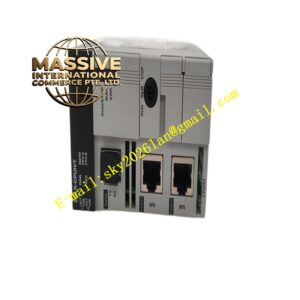
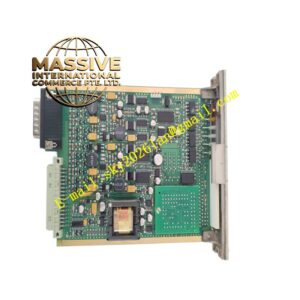
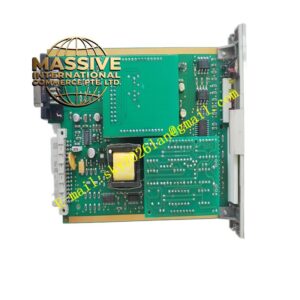
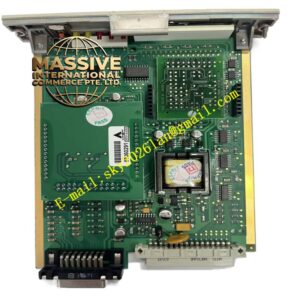
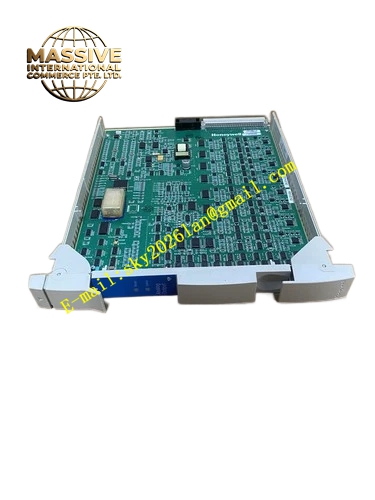
HONEYWELL 51304465-300
Technical Specifications:
- Brand: Honeywell
- Model: 51304465-300
- Product Type: Pressure Sensor
- Technology: MEMS Technology
- Accuracy: High precision measurement
- Response Time: Fast response
- Stability: Long-term stability
- Measurement Range: Wide range
- Anti-Interference: Good electromagnetic compatibility (EMC)
- Installation: Compact design, standardized interface
Functional Features:
- High-Precision Measurement: High resolution, accurately detects微小 pressure changes, ensuring data accuracy
- Strong Stability: Strict aging and temperature compensation treatment, provides stable output signals under different environmental conditions
- Wide Range: Wide measurement range, meets needs of different application scenarios, from low to high pressure can be accurately measured
- Strong Anti-Interference: Good electromagnetic compatibility, works normally in complex electromagnetic environments
- Easy Installation and Maintenance: Compact product design, standardized interface, simple installation and maintenance, reducing user costs
- Fast Response: Fast response time, meets real-time monitoring requirements
- Long-Term Stability: Excellent long-term stability, reduces calibration frequency
Application Scenarios:
- Aerospace: Monitoring pressure of aircraft engines, fuel tanks, and other key components, ensuring flight safety
- Industrial Control: Real-time monitoring of pressure changes in hydraulic and pneumatic systems, improving production efficiency and equipment reliability
- Medical Equipment: Applied in ventilators, blood pressure monitors, and other medical devices, ensuring precision and safety
- Energy Industry: Monitoring pressure during oil and gas exploration, extraction, and transportation, ensuring production safety
- Automotive Industry: Engine pressure monitoring, brake system pressure detection
- Process Industry: Pressure monitoring and control in chemical, petroleum, and other processes
Performance Parameters:
- Measurement Accuracy: High precision
- Response Time: Fast response
- Stability: Long-term stability
- Measurement Range: Wide range
- Anti-Interference: Good EMC
- Operating Temperature: Wide temperature range
Material Composition:
- MEMS sensor chip
- High-quality electronic components
- Corrosion-resistant housing materials
- Precision connection components
- Signal processing circuits
- Protective coating materials
Structural Features:
- Compact design
- Standardized interface
- Sensor core
- Signal processing module
- Protective housing
- Connection terminals
- Mounting holes
Working Principle:
The sensor uses MEMS technology to convert the measured pressure into electrical signals, which are amplified, filtered, and temperature-compensated by internal signal processing circuits, outputting standard signals for use by the control system. The sensor features high sensitivity and fast response characteristics, capable of accurately detecting pressure changes.
Installation Requirements:
- Select appropriate installation position according to application needs
- Ensure installation position is convenient for maintenance
- Implement appropriate grounding measures
- Avoid strong vibration environments
- Ensure ambient temperature is within specified range
- Connect power supply and signal lines correctly
- Ensure seal condition is good
Usage Precautions:
- Installation and debugging should be performed by professional technicians
- Select appropriate measurement range according to actual application
- Regularly calibrate to ensure measurement accuracy
- Keep sensor clean
- Avoid use beyond specified temperature range
- Avoid strong mechanical shock and vibration
- Regularly check connection condition
- Record and handle faults promptly