


Description
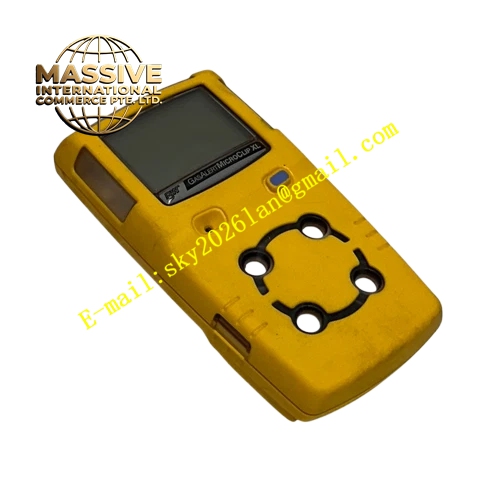
Honeywell MCXL-XWHM
Technical Specifications
- Detected Gas: H2S, CO, O2, LEL combustible gas
- Measurement Range: H2S 0-100 ppm; CO 0-500 ppm; O2 0-30.0% vol; LEL 0-100% LEL
- Resolution: H2S 1 ppm; CO 1 ppm; O2 0.1% vol; LEL 1% LEL
- Power Supply: Rechargeable lithium battery pack
- Continuous Operating Time: 18 hours under normal temperature
- Full Charge Time: Less than 6 hours
- Working Ambient Temperature: -20°C to +50°C
- Storage Temperature: -40°C to +50°C
- Relative Humidity: 0% to 95% RH non-condensing
- Protection Grade: IP68, 1.2 meters water immersion for 45 minutes
- Certification: ATEX II 1G Ex ia IIC T4 Ga, IECEx, UL, CSA
Functional Features Single button completes power on, zero calibration and alarm silence operation. It supports user adjustable high and low alarm set points for each gas. It records gas concentration log data and alarm event history. It adopts IntelliFlash indicator to display bump test and calibration status at a glance. It provides three independent alarm modes: bright red visual flash, loud audible buzzer and vibration alert. It performs automatic full sensor self-test during startup. It supports multi-language menu display. It can connect with IR docking station for data download and automatic calibration.
Application Scenarios Confined space entry safety gas detection in sewage and tank maintenance Oil refinery and natural gas pipeline patrol inspection Mining and tunnel construction gas monitoring Chemical plant routine site safety patrol Firefighter pre-entry gas screening Wastewater treatment plant hydrogen sulfide monitoring
Performance Parameters
- Alarm Audible Volume: 95dB at 30cm distance
- Response Time T90: Less than 30 seconds for all sensors
- Mean Time Between Failures: 720000 hours
- Sensor Service Life: 24 months for H2S, CO and LEL sensors; 36 months for oxygen sensor
- Shock Resistance: Withstand 1.5 meters drop test onto concrete surface
- Data Log Capacity: Store up to 120 hours of continuous gas record
Material Composition High impact resistant polycarbonate plastic housing Electrochemical sensing cells for H2S, CO and O2 Catalytic bead sensor for combustible LEL gas Rechargeable lithium polymer battery pack SMT main control PCB circuit High brightness red LED alarm lamp Piezoelectric buzzer and vibration motor Rubber protective overmolding for anti-slip and anti-drop
Structural Features Compact rectangular handheld structure with integrated rubber protective shell. Front panel carries LCD display, single operation button and gas sensor inlet holes. Top side integrates alarm LED light and sound outlet. Internal sensor cavity separates each sensing cell to avoid gas cross interference. Built-in battery compartment with sealed cover. Clip bracket on the rear side for attaching to safety harness or work clothes. Sealing rubber ring realizes IP68 waterproof performance.
Working Principle Gas enters the sensor chamber through front diffusion inlet. Electrochemical sensors generate current signal proportional to gas concentration for H2S, CO and oxygen. Catalytic bead sensor changes resistance value when combustible gas contacts the heated bead. Main control chip converts sensor signal into digital concentration value and displays on LCD screen. When reading exceeds alarm threshold, the controller activates buzzer, flash light and vibration alarm. The chip continuously stores concentration data into internal memory.
Installation Requirements No fixed installation required, it is handheld portable equipment. Fully charge the battery before first use. Perform zero calibration in clean fresh air environment before field use. Configure alarm threshold parameters through docking station or menu. Check sensor inlet hole to ensure no dust or debris blockage. Attach the detector to safety harness clip when entering confined space.
Usage Notes Calibrate all sensors with standard calibration gas every six months. Replace expired sensors before the end of service life. Do not expose the detector to high concentration organic solvent vapor which causes sensor poisoning. Clean the sensor inlet hole regularly with dry soft brush. Do not disassemble the sealed housing in hazardous explosive atmosphere.