


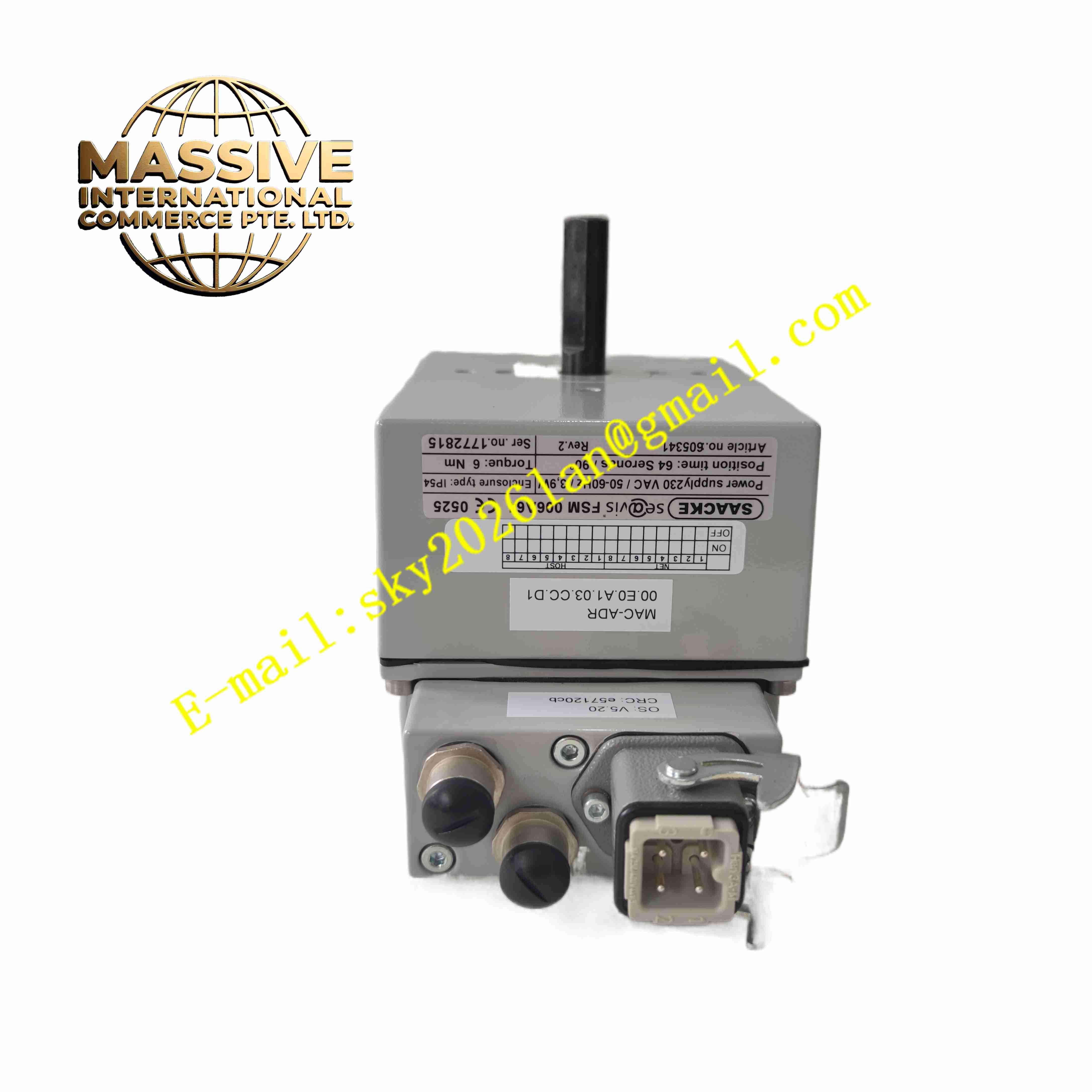
Description
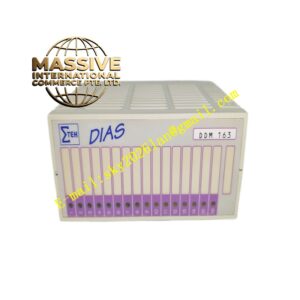
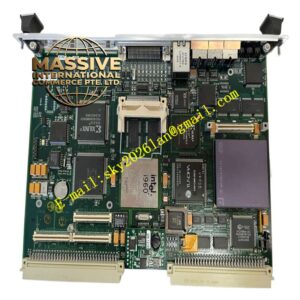
Schenck FSM 006A64
Technical Specifications
- Product Type: Rotating machinery speed and vibration monitor module
- Input Channels: Pulse input for speed probe, vibration sensor input
- Speed Measurement Range: 0 to 10000 RPM
- Vibration Measurement Range: 0 to 50 mm/s
- Power Supply: 24 V DC
- Relay Output: SPDT relay contacts for alarm and trip
- Communication Interface: RS485 Modbus RTU
- Protection Rating: IP20
- Operating Temperature: -20 °C to +60 °C
- Mounting Method: DIN rail cabinet mounting
- Cooling Method: Passive convection cooling
Functional Features
- Simultaneous measurement of rotational speed and casing vibration for rotating equipment.
- Configurable independent alarm and trip thresholds for speed and vibration channels.
- Digital filtering eliminates noise from pulse signal and vibration waveform.
- Relay contact output triggers local alarm or equipment shutdown when threshold exceeds.
- Continuous sensor fault detection identifies probe wire break and short circuit.
- Modbus RTU uploads real-time speed, vibration value and fault event to PLC or SCADA.
- Event buffer stores peak value and timestamp of vibration and speed excursion.
- LED indicators show power status, alarm state and sensor fault.
- Latching trip function maintains trip status until manual reset.
- Built-in test signal generator verifies measurement loop during maintenance.
Application Scenarios
- Industrial fan and blower overspeed and vibration protection
- Rotary kiln drive shaft condition monitoring
- Conveyor drive gearbox vibration and speed monitoring
- Cement mill auxiliary rotating machinery protection
- Waste water treatment plant agitator and pump monitoring
Material Composition
- Housing: Flame-retardant polycarbonate plastic casing
- Main PCB: FR4 printed circuit board with conformal coating
- Signal processing components: Instrumentation amplifiers and pulse counter chips
- Relay components: Electromagnetic signal relays
- Terminal blocks: Tin-plated copper alloy screw terminals
- Isolation components: Optocoupler isolation chips
Structural Characteristics
- Standard DIN rail slim plastic enclosure.
- Front panel LED indicators for power, alarm, trip and sensor fault.
- Front membrane keys for threshold configuration and reset operation.
- Rear screw terminal blocks for sensor wiring, relay output and power supply.
- Internal isolation barrier separates field sensor circuit and logic circuit.
- Compact single width DIN rail form factor saves cabinet installation space.
Working Principle Magnetic speed probe sends pulse signal proportional to shaft rotation speed. Vibration sensor outputs analog vibration waveform to FSM 006A64. The module processes pulse signal to calculate RPM and extracts vibration amplitude from analog waveform. Measured values compare with alarm and trip setpoints. If value exceeds threshold, corresponding relay activates and fault status latches. All measurement data transmits to host system via Modbus. Sensor diagnostic circuit monitors loop impedance continuously to detect broken cable or sensor failure.
Installation Requirements
- Mount module on standard 35mm DIN rail inside control cabinet.
- Use shielded twisted pair cable for speed probe and vibration sensor wiring.
- Separate sensor signal cables from high power motor cables.
- Connect protective earth terminal to cabinet ground bar.
- Configure alarm and trip threshold values according to machinery specification.
- Perform sensor loop simulation test and relay output test after wiring completion.
- Verify probe air gap and mounting position on rotating machine.
Usage Notes
- Reset latched trip only after root cause of abnormal machine condition is resolved.
- Do not apply voltage beyond rated specification to sensor input terminals.
- Keep cabinet dry and free of oil mist and conductive dust.
- Inspect sensor cable tightness periodically on vibrating equipment.
- Execute periodic function test for monitoring loop.
- Use anti-static wristband during module replacement.
- Replace module immediately when permanent measurement fault occurs.