


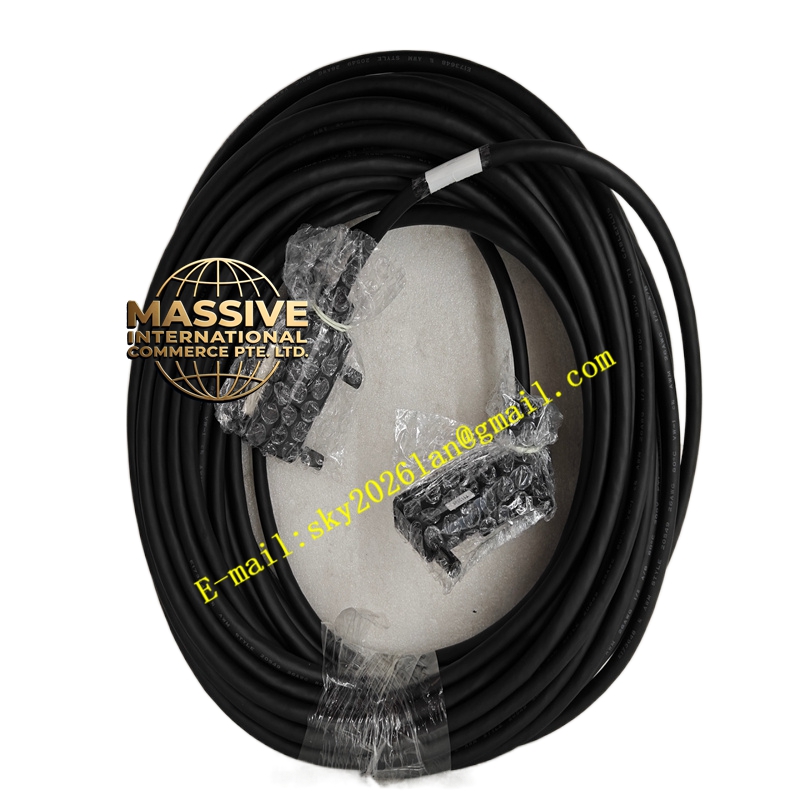
Description
Triconex P0916DG Technical Specifications:
- Protocol Support: Modbus TCP/IP, Modbus RTU, and proprietary Triconex communication protocols.
- Network Interfaces: Dual redundant Ethernet ports for high-availability networking.
- Data Rate: 10/100 Mbps adaptive Ethernet.
- Isolation: Full galvanic isolation between the Triconex backplane and the external network.
Functional Features:
- Seamless Integration: Allows the Triconex SIS to act as a Modbus Master or Slave, facilitating easy integration with third-party control systems.
- Data Mapping: Supports configurable data mapping tables to translate internal Triconex variables to external Modbus registers without custom coding.
- Redundant Networking: Dual Ethernet ports provide automatic failover, ensuring continuous data flow even if a network cable or switch fails.
- Security Features: Includes protocol validation and optional encryption to prevent unauthorized access or malicious data injection.
Application Scenarios:
- Connecting the SIS to the plant’s main DCS for operator visibility.
- Routing safety alarms and trip events to the plant SCADA system.
- Interfacing with package PLCs (e.g., compressors, boilers) for coordinated shutdowns.
- Historical data logging for safety event analysis.
Performance Parameters:
- Communication Latency: Modbus TCP communication latency is typically ≤20ms within a local area network.
- Scan Rate: Configurable polling rates from 100ms to several seconds, depending on network load and application requirements.
- Capacity: Supports multiple simultaneous client connections and large data tables.
Material Composition & Structural Characteristics:
- Enclosure: Standard Triconex module form factor with robust plastic housing.
- Connectors: Dual RJ45 Ethernet ports on the front panel with integrated magnetic isolation.
- Indicators: Status LEDs for network link, activity, and module health.
Working Principle: The P0916DG acts as a protocol gateway. It reads specified internal memory locations from the Triconex TMR controllers via the backplane, packages the data into standard Modbus TCP frames, and transmits them over the redundant Ethernet network. Incoming requests from external systems are validated, processed, and translated into internal read/write operations, ensuring that safety-critical data is never compromised by external network traffic.
Installation Requirements:
- Network Topology: Connect to a dedicated safety network or a properly segmented VLAN to prevent broadcast storms from affecting safety communications.
- IP Configuration: Assign static IP addresses to ensure deterministic communication; avoid using DHCP in safety networks.
- Cable Routing: Route Ethernet cables away from high-voltage power cables and VFD output cables to prevent EMI.
Usage Precautions:
- Firewall Configuration: If connecting to enterprise networks, ensure proper firewall rules are in place to restrict access to only necessary ports and IP addresses.
- Data Consistency: Be aware that reading multiple registers across a network introduces slight time skew; design external logic to handle non-simultaneous data updates.
- Diagnostics: Monitor communication statistics and error counters in the diagnostic software to identify intermittent network issues.