


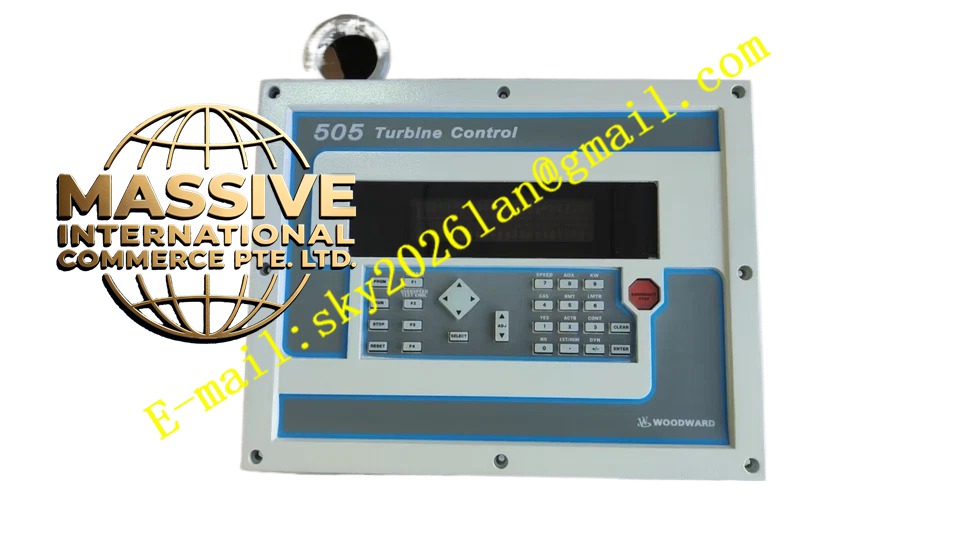
Description
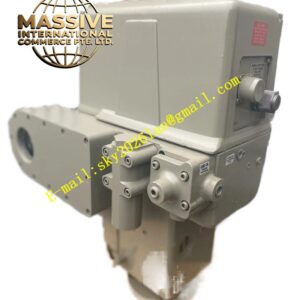
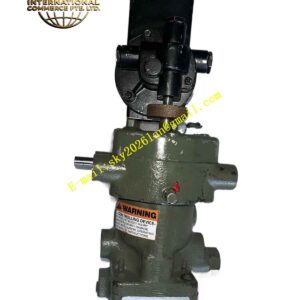
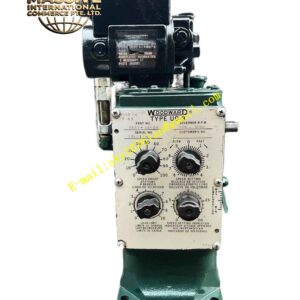
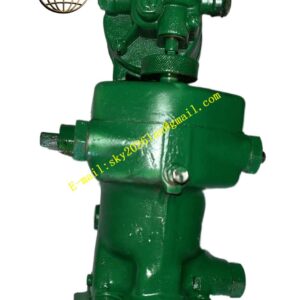
Woodward CPC-II
Technical Specifications
- Product Family: CPC-II Series I/P Converters.
- Input Signal: 4-20 mA DC.
- Output Pressure: Various ranges available (e.g., 3-15 psi, 6-30 psi).
- Supply Pressure: Up to 40 psi (depending on model).
- Intrinsic Safety: Available in ATEX/IECEx certified configurations.
Functional Features
- Self-Cleaning Valve: Patented valve design prevents sticking due to oil or particulate contamination in instrument air.
- High Resolution: Exceptional resolution ensures smooth, step-less valve movement.
- Status Indication: Optional health and status indicators for internal diagnostics.
- Wide Compatibility: Interfaces seamlessly with all major digital turbine controllers.
Application Scenarios
Critical component in steam turbine inlet valve control, gas turbine fuel valve actuation, and compressor anti-surge control systems.
Performance Parameters
- Accuracy: ±0.25% of span.
- Hysteresis: Less than 0.1% of span.
- Air Consumption: Extremely low standby and operating consumption.
Material Composition
Rugged aluminum or stainless steel enclosure with precision-machined internal components and corrosion-resistant coatings.
Structural Characteristics
- Design: Modular, field-serviceable design.
- Adjustments: Zero and span adjustments accessible without removing the cover.
- Indicators: Visual position indicator and optional electrical status switches.
Working Principle
The CPC-II utilizes a force-balance principle where the electromagnetic force from the input current is balanced by the pneumatic feedback force. The self-cleaning valve spool continuously oscillates at high frequency, preventing the accumulation of contaminants and ensuring reliable operation.
Installation Requirements
- Install with the output port facing downward when possible to prevent moisture accumulation.
- Use properly sized tubing to minimize volume and improve response time.
- Ensure the instrument air meets ISO 8573-1 quality standards.
Usage Precautions
- Do not use silicone-based lubricants or sealants during installation.
- Perform annual calibration verification.
- Replace the internal filter element if a decrease in response time is observed.