


Description
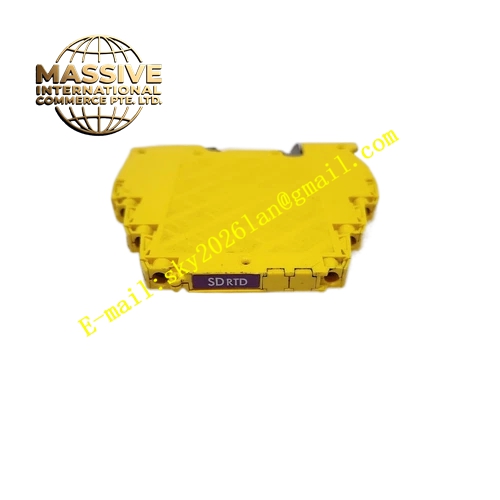
Telematic SDRTD
Technical Specifications:
- Brand: SignalFire Telemetry
- Model: SDRTD (Sentinel-RTD Series)
- Product Type: Wireless Telemetry Node
- Sensor Type: RTD (2-wire, 3-wire, 4-wire)
- Radio Frequency: 902-928 MHz ISM Band (FHSS)
- Antenna: Internal
- Power Source: Internal IS Lithium battery pack or External Solar/DC
- Temperature Rating: -40°C to +60°C
- Temperature Accuracy: ±0.5°C
- Enclosure Size: 3.5″ (H) × 5.0″ (W) × 5.0″ (D)
- Compliance: Class I, Division 1 groups C and D; EXi; FCC/IC Certified
Functional Features:
- Wireless transmission of RTD temperature data
- Long battery life (internal Lithium pack)
- Supports multiple RTD wiring configurations
- Status LEDs for Radio TX/RX and Active/Error states
- Scan/Check-in button for manual data transmission
- Intrinsically safe design for hazardous locations
Application Scenarios:
- Remote temperature monitoring
- Hazardous area monitoring (oil & gas, chemical plants)
- Environmental monitoring
- Industrial process monitoring
Performance Parameters:
- Frequency: 902-928 MHz
- Accuracy: ±0.5°C
- Operating Temp: -40°C to +60°C
Material Composition:
- Rugged industrial enclosure
- Internal Lithium battery
- Electronic circuit board with RF module
Structural Features: The unit features a compact, sealed enclosure with an internal antenna. It includes LEDs for status indication and a button for manual operation.
Working Principle: The node measures the resistance of the connected RTD sensor, calculates the temperature, and transmits the data wirelessly using Frequency Hopping Spread Spectrum (FHSS) technology to a gateway.
Installation Requirements:
- Mount in a location with adequate radio signal strength.
- Connect the RTD sensor according to the wiring diagram (2, 3, or 4-wire).
- Configure the node parameters via the gateway.
Usage Notes:
- Ensure the RTD sensor type matches the configuration.
- Do not use non-manufacturer supplied parts, as this may void the safety rating.
- Monitor battery status via the gateway.