


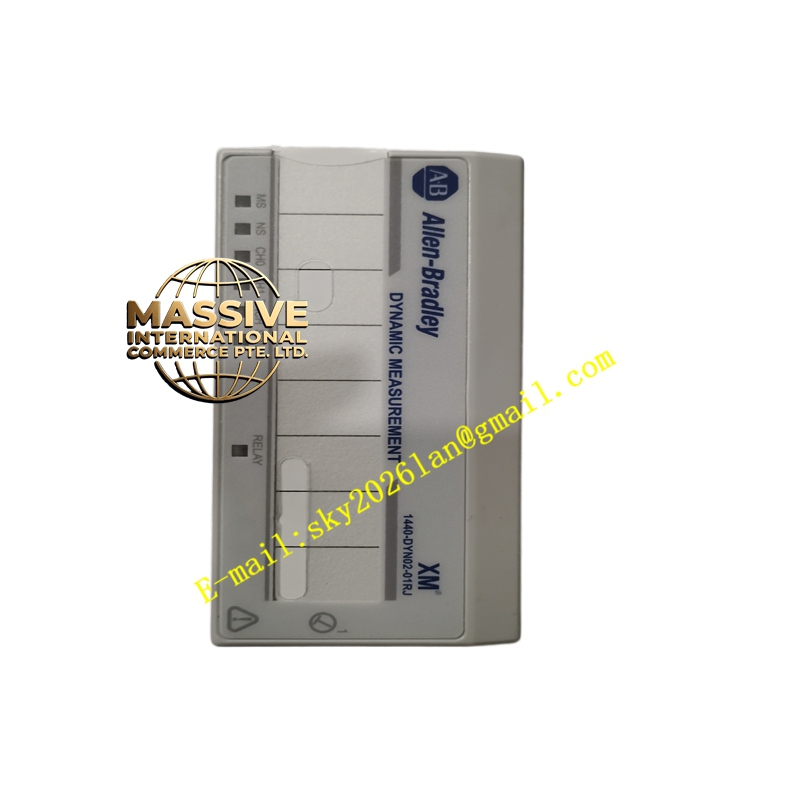
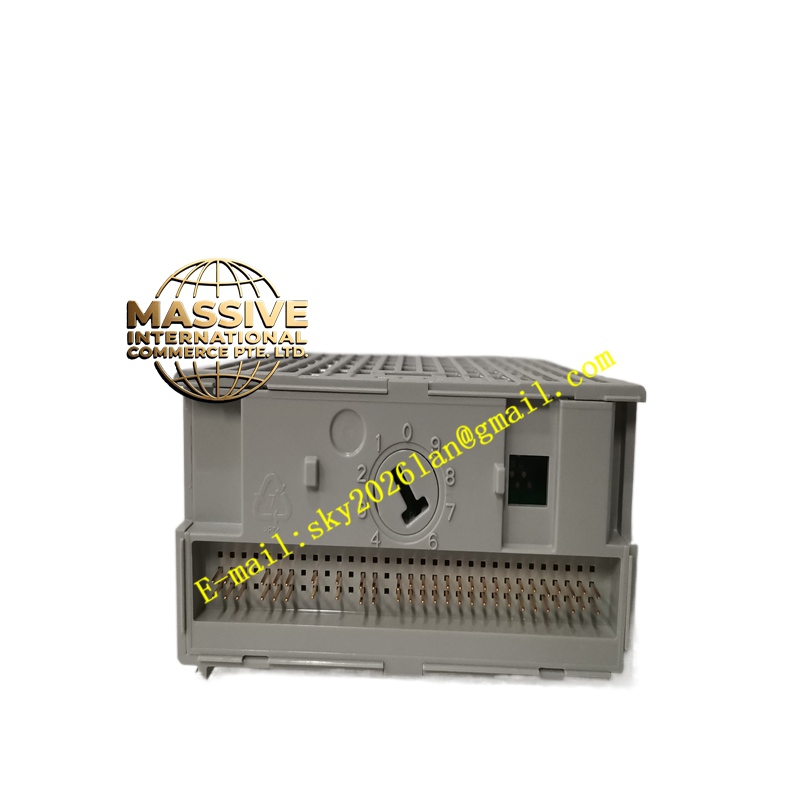
Description
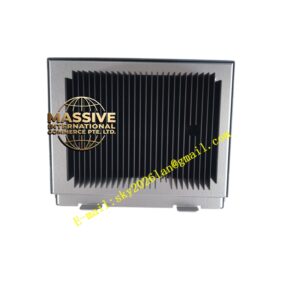
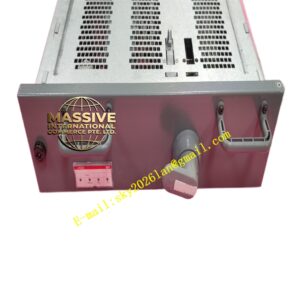
ABB 1440-DYN02-01RJ
Technical Specifications:
- Module Type: Signal Conditioning / Dynamic Interface
- Connectors: RJ-type / Terminal Block
- Signal Processing: High-precision analog/digital conversion
Functional Features:
- Precision Signal Processing: Filters and amplifies raw sensor signals for accurate control.
- Fast Response Time: Minimal processing delay for real-time dynamic adjustments.
- Flexible Configuration: Supports multiple input/output signal types.
- Galvanic Isolation: Prevents ground loops and noise interference.
Application Scenarios:
- Tension control in printing, paper, and textile machinery.
- Dynamic weighing and batching systems.
- Motion control signal relay and conditioning.
Performance Parameters:
- Resolution: High-bit ADC/DAC for fine control granularity.
- Update Rate: Millisecond-level signal processing cycle.
- Linearity: Excellent signal linearity and low temperature drift.
Material Composition & Structural Features:
- Enclosure: Standard industrial module housing.
- Terminals: Secure, vibration-resistant connection points.
- Status Indicators: Visual LEDs for power and signal activity.
Working Principle:
The module receives raw signals from sensors, applies digital filtering and PID algorithms, and outputs a conditioned control signal to actuators or higher-level controllers to maintain precise process variables.
Installation Requirements:
- Install in a dry, vibration-free control cabinet.
- Use shielded cables for all analog signal connections.
- Ground the shield at the module end only to prevent ground loops.
Usage Precautions:
- Ensure a stable and clean power supply.
- Tune control parameters according to the specific mechanical load.
- Avoid routing signal cables parallel to high-voltage motor cables.