


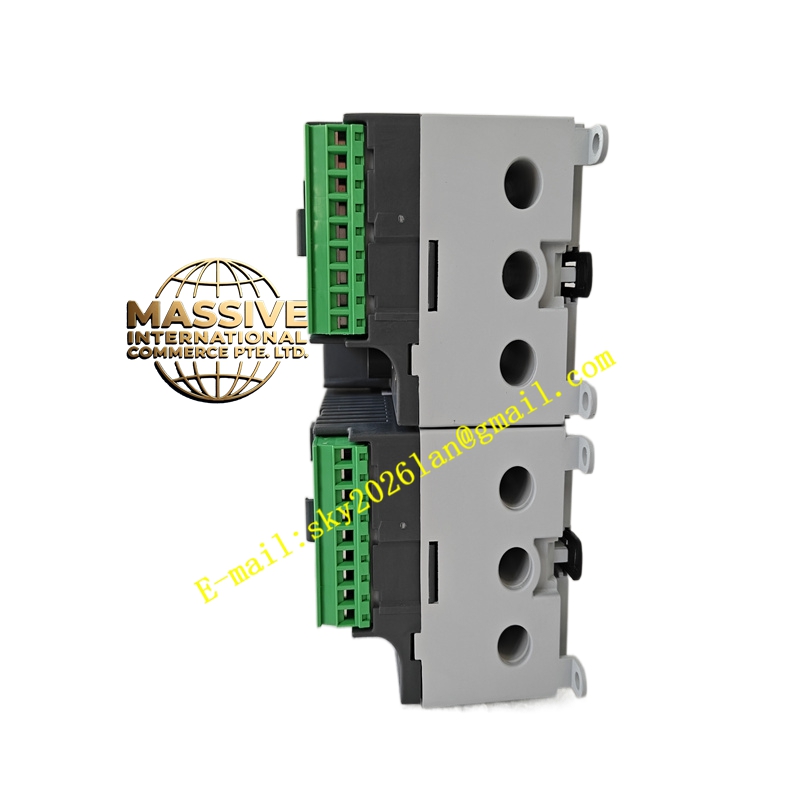
Description
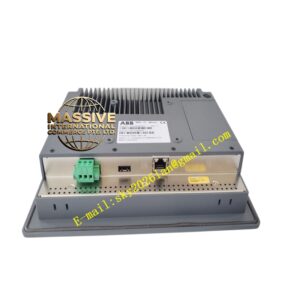
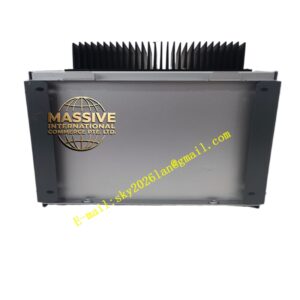
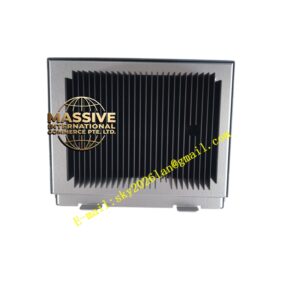
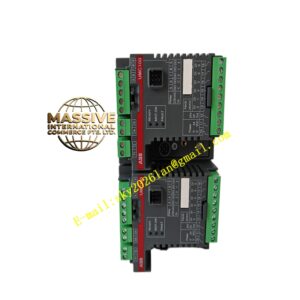
ABB 1SAM340000R1011
Technical Specifications
- Product Type: Contactor or motor control component
- Rated Operational Voltage: Up to 690 V AC (typical; refer to specific rating)
- Rated Operational Current: Depending on frame size (e.g., up to several hundred amps)
- Control Coil Voltage: Common control voltages such as 24 V AC/DC, 110-120 V AC, 220-240 V AC (specific value depends on ordering code)
- Utilization Category: AC-3 for motor starting, AC-1 for resistive loads
- Mechanical Life: Several million operations (varies by model)
- Electrical Life: Hundreds of thousands to millions of operations at rated load
- Mounting: Screw-mounted or DIN-rail mounted depending on version
Functional Features
- Reliable switching of motors and other power loads
- Optional built-in auxiliary contacts for signaling
- Can be integrated into motor starters and control panels
- Low power consumption control coils
- Compatible with overload relays for motor protection
Application Scenarios
- Motor control centers and motor starters
- Industrial machinery and conveyor systems
- Pump and fan control
- Compressor and hoist applications
Performance Parameters
- High short-circuit withstand capability
- Excellent contact welding resistance
- Low contact resistance ensuring minimal voltage drop
Material and Structural Characteristics
- High-quality contact materials for long electrical life
- Robust enclosure and terminal design
- Optional covers and accessories for safety
Working Principle
When the control coil is energized, an electromagnetic field moves the contact bridge, closing main contacts and allowing current to flow to the motor or load. De-energizing the coil opens the contacts, interrupting the circuit.
Installation Requirements
- Mount in a suitable enclosure or control panel
- Connect power circuit conductors to main terminals
- Connect control circuit wiring to coil terminals
- Use appropriately sized cables and ensure tight connections
Usage Notes
- Ensure coil voltage matches the control supply
- Use compatible overload protection for motor applications
- Periodically inspect contacts for wear and proper operation
- Follow local electrical codes and ABB installation guidelines