


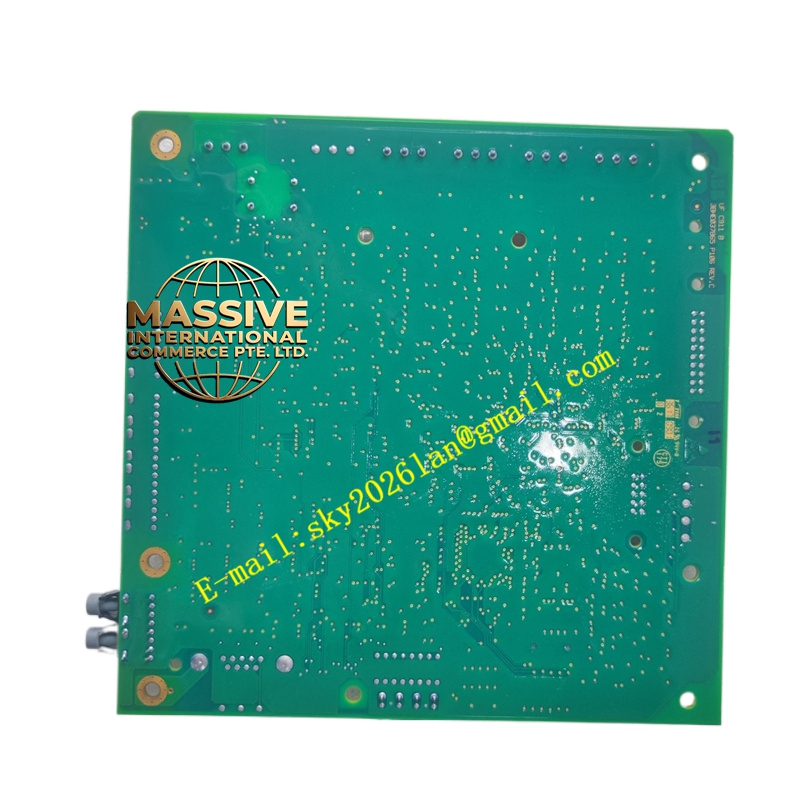
Description
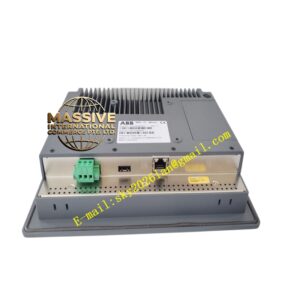
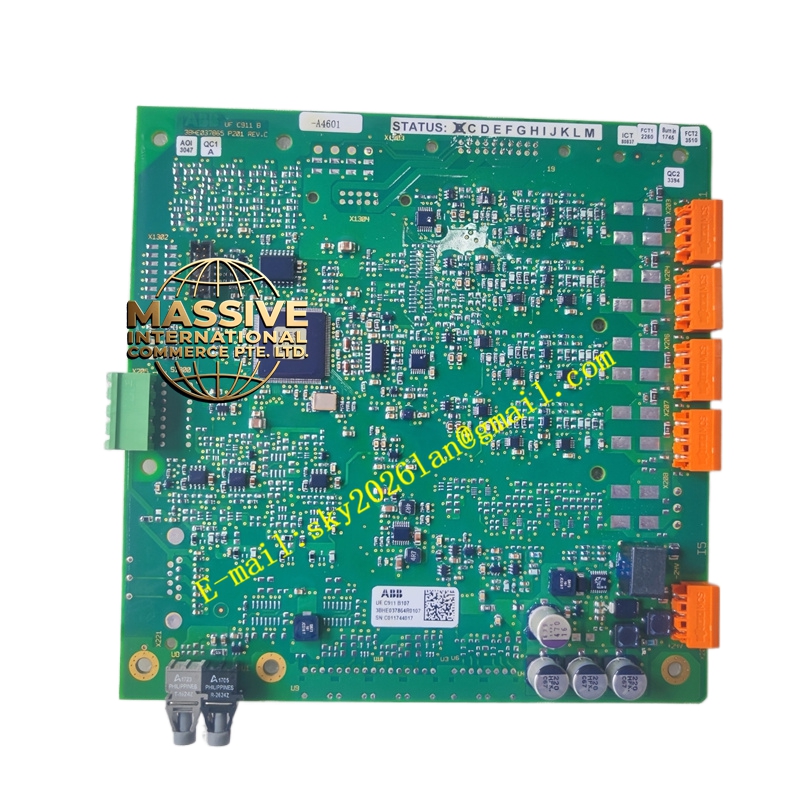
ABB 3BHE037864R0107
Technical Specifications:
- System Architecture: Distributed Control System (DCS)
- Communication Protocols: Supports standard industrial protocols including Modbus, Profibus, and Ethernet/IP
- Processing Capability: High-speed microprocessor for real-time control logic execution
- Network Topology: Compatible with redundant DCS network structures (Bus, Ring, or Star)
- I/O Interface: Digital and analog input/output, plus dedicated communication ports
Functional Features:
- Real-Time Control: Executes continuous and sequential control loops with deterministic timing.
- Data Multiplexing: Aggregates data from multiple field devices and routes it efficiently over the DCS network.
- Redundancy Support: Designed to operate in redundant configurations to ensure zero-loss failover.
- Diagnostic Capabilities: Continuous self-monitoring and field-wire diagnostics.
Application Scenarios:
- Large-scale industrial process automation.
- Power plant and chemical processing control.
- Water treatment and manufacturing facility DCS architectures.
Performance Parameters:
- Scan Time: Millisecond-level execution for complex control loops.
- Network Speed: High-bandwidth communication for seamless HMI integration.
- Memory Capacity: Ample storage for configuration, historical data, and trending.
Material Composition & Structural Characteristics:
- Enclosure: Ruggedized industrial housing for DIN rail or rack mounting.
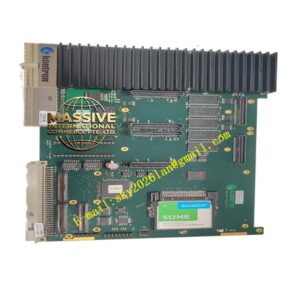
- PCB: Multi-layer board with conformal coating for harsh environment protection.
- Connectors: High-density terminal blocks and robust communication ports.
Working Principle:
The controller continuously scans its assigned I/O points, executes the user-programmed control logic, and updates output states. It packages this data into network frames and transmits them over the DCS bus using token-passing, polling, or store-and-forward protocols, depending on the network configuration.
The controller continuously scans its assigned I/O points, executes the user-programmed control logic, and updates output states. It packages this data into network frames and transmits them over the DCS bus using token-passing, polling, or store-and-forward protocols, depending on the network configuration.
Installation Requirements:
- Network Termination: Properly terminate redundant communication cables to prevent signal reflection.
- Addressing: Configure unique node addresses prior to network integration.
- Grounding: Implement a clean, single-point ground to prevent ground loops.
Usage Precautions:
- Firmware Management: Ensure firmware versions are matched across redundant controllers.
- Battery Backup: Replace backup batteries according to the maintenance schedule to prevent memory loss.
- Hot-Swap: Verify system redundancy before replacing a failed controller in a live system.