


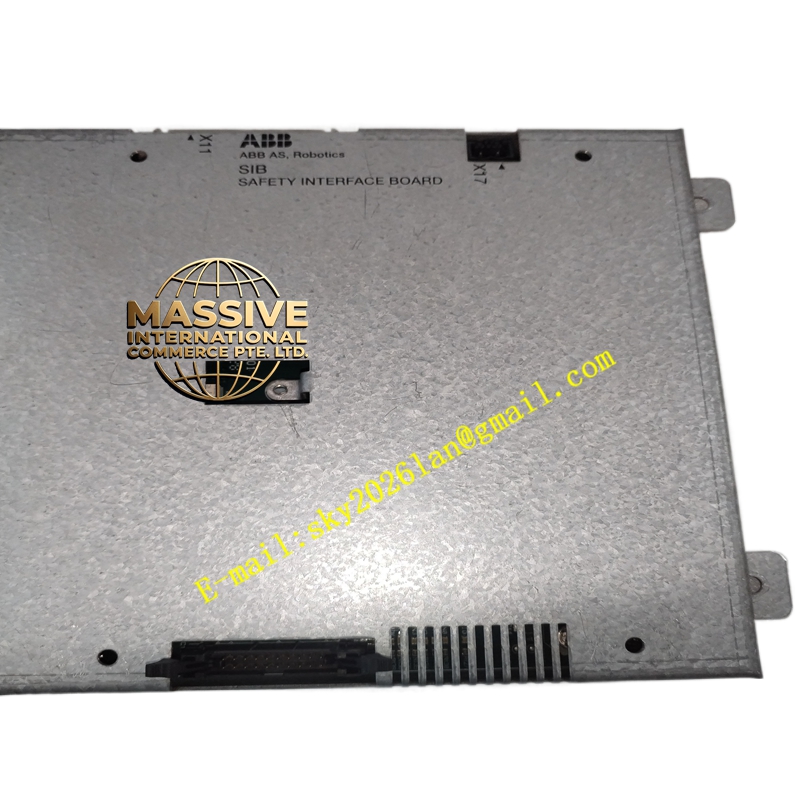
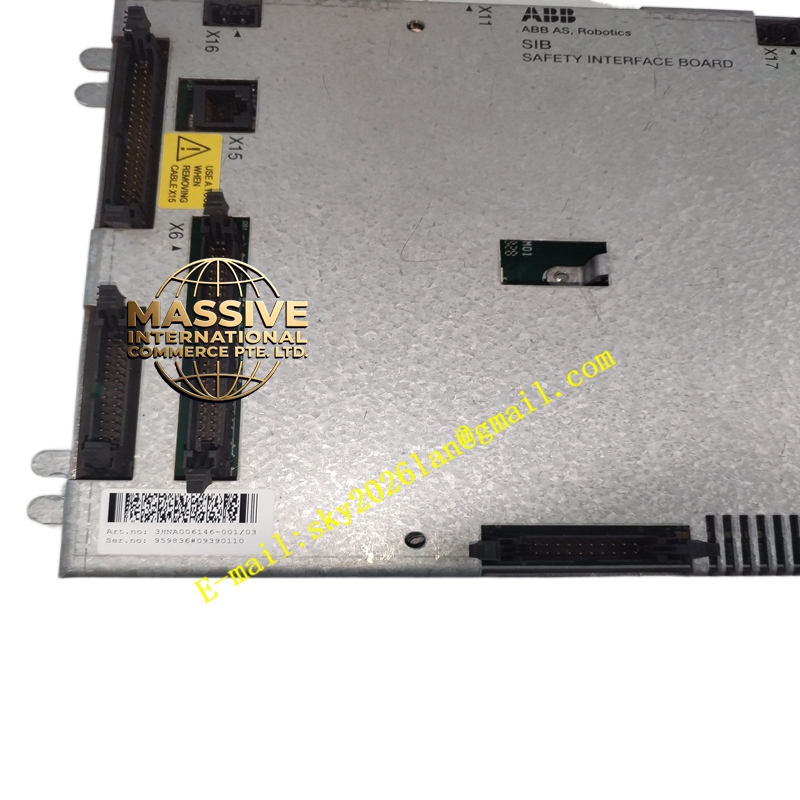
Description
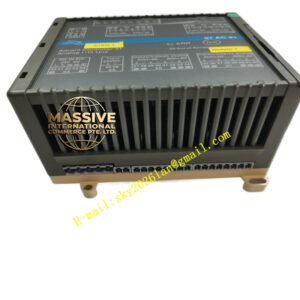
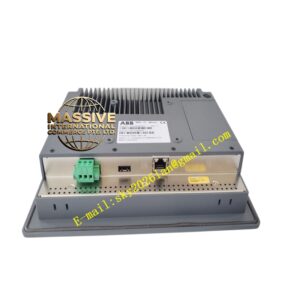
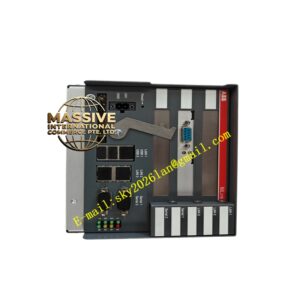
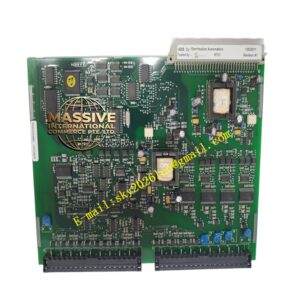
ABB 3HNA006146-001
Technical Specifications:
- Safety Rating: PL e (ISO 13849-1), SIL 3 (IEC 61508)
- Input Interfaces: 12 safety inputs (4 safety circuits), supporting PNP/NPN signal types
- Communication Protocols: PROFIsafe V5.2, CIP Safety
- Input Voltage Range: DC 12V to 24V
- Current Rating: 10A
- Operating Temperature: -20°C to +55°C (some variants: -20°C to +60°C)
- Humidity: Less than 95% RH non-condensing
- Protection Rating: IP20
- Material: High-grade aluminum alloy
- MTBF: Over 200,000 hours
- Diagnostic Coverage: 40% improvement over previous generation
Functional Features:
- Dual-Channel Redundant Architecture: Independent processing of 12 safety input signals including emergency stop, safety door interlocks, and light curtain protection
- Dedicated Safety Protocol Stack: Built-in support for PROFIsafe and CIP Safety protocols for seamless integration with ABB robot controllers and peripheral safety devices
- Safety Domain Management: Allows simultaneous management of multiple safety zones, ideal for multi-robot collaborative operation scenarios
- Microsecond-Level Safety Response: Dual-core lockstep processor achieves rapid safety response times
- Online Hot-Swappable: Supports replacement during production line operation without system shutdown, ensuring 24/7 continuous production
- Predictive Maintenance Algorithm: Analyzes input signal waveform variations to provide 72-hour advance warning of safety device aging risks
- LED Status Indication: Integrated LED indicators for real-time status monitoring
- Virtual Safety Debugging: Compatible with ABB RobotStudio simulation software for virtual safety commissioning
Application Scenarios:
- Automotive assembly lines (welding, painting, assembly robots)
- 3C electronics precision manufacturing
- Multi-robot collaborative work cells
- Injection molding operations
- High-vibration, high-dust industrial environments
- Applications requiring ISO 13849-1 PL e / IEC 61508 SIL 3 compliance
Working Principle: The SIB-01 continuously monitors all connected safety devices and robot operational parameters. When a safety event occurs (such as emergency stop activation or light curtain interruption), the module processes the signal through redundant safety channels, verifies the condition via dual-core lockstep processing, and initiates appropriate safety actions within microseconds. The module maintains constant communication with the robot controller via safety protocols, ensuring coordinated safe shutdown or protective stop of all connected equipment.
Structure and Composition:
- High-grade aluminum alloy housing for durability and EMI shielding
- Dual-core lockstep safety processor
- Redundant input/output circuits
- Optical isolation barriers
- LED status indicator array
- Communication interface modules
Installation Requirements:
- Install in robot controller cabinet or dedicated safety enclosure
- Connect safety devices to designated input terminals
- Configure safety zones and parameters via ABB RobotStudio or dedicated configuration tool
- Verify all safety circuit connections before commissioning
- Ensure proper grounding and shielding
Usage Precautions:
- Only qualified safety engineers should configure and maintain this module
- Regular testing of all safety functions is mandatory per safety standards
- Do not bypass or disable any safety functions
- Monitor diagnostic indicators for early fault detection
- Maintain detailed records of all safety system modifications
- Ensure compatibility with existing safety infrastructure before integration
- Follow lockout/tagout procedures during maintenance