


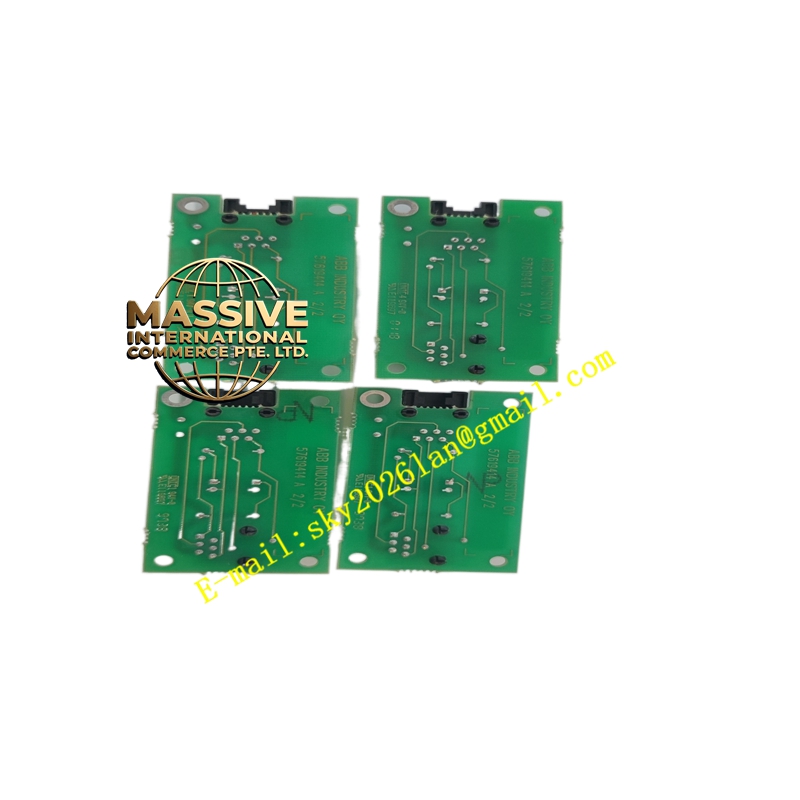
Description
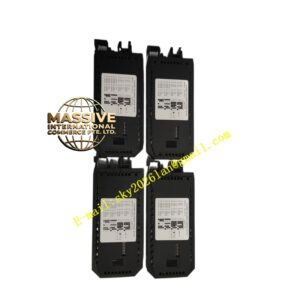
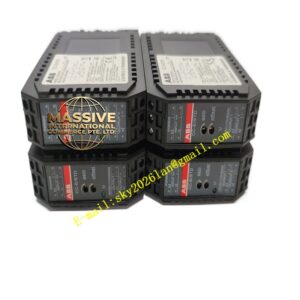
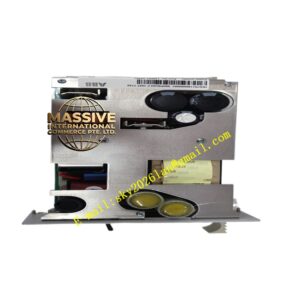
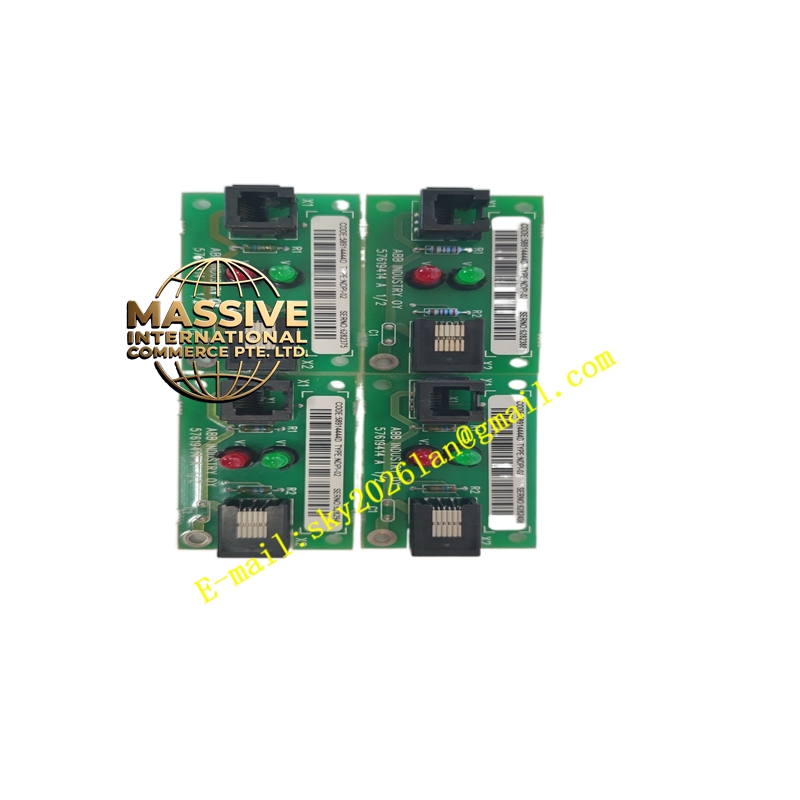
ABB 58914444 NDPI-02
- Technical Specifications: Supports standard industrial digital signal voltages (e.g., 24V DC), featuring multiple isolated digital input and output channels.
- Functional Features:
- High-speed digital signal scanning and filtering to prevent false triggering.
- Isolated output channels capable of driving relays, solenoids, and indicator lights.
- Diagnostic LEDs for real-time channel status monitoring.
- Application Scenarios: Manufacturing automation, machine control, safety interlock systems, and process monitoring where discrete on/off signals must be managed.
- Performance Parameters: Fast response time with high electrical isolation between channels to prevent ground loops and cross-channel interference.
- Material Composition: Rugged industrial electronics with conformal-coated PCBs, housed in a durable, flame-retardant enclosure.
- Structural Characteristics: Modular design with clearly labeled screw terminals or spring-clamp connectors for rapid wiring and maintenance.
- Working Principle: Input circuits use optocouplers to safely isolate field voltages from the internal logic, converting physical switch states into digital data. Output circuits use solid-state relays or transistors to switch external loads based on controller commands.
- Installation Requirements: Wire digital inputs and outputs using appropriately gauged cables. Keep signal wiring separated from high-power motor cables to avoid electromagnetic interference. Ensure secure termination to prevent loose connections.
- Usage Precautions: Do not exceed the maximum voltage or current ratings on any channel. Verify polarity before connecting field devices. Regularly inspect terminals for signs of overheating or corrosion.