


Description
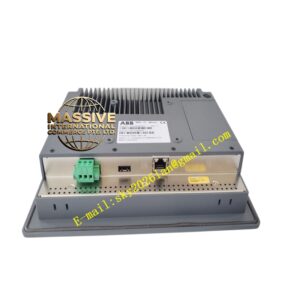
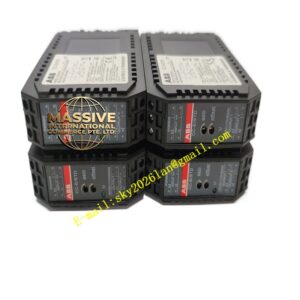
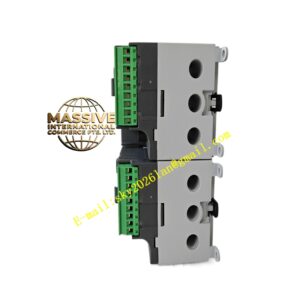
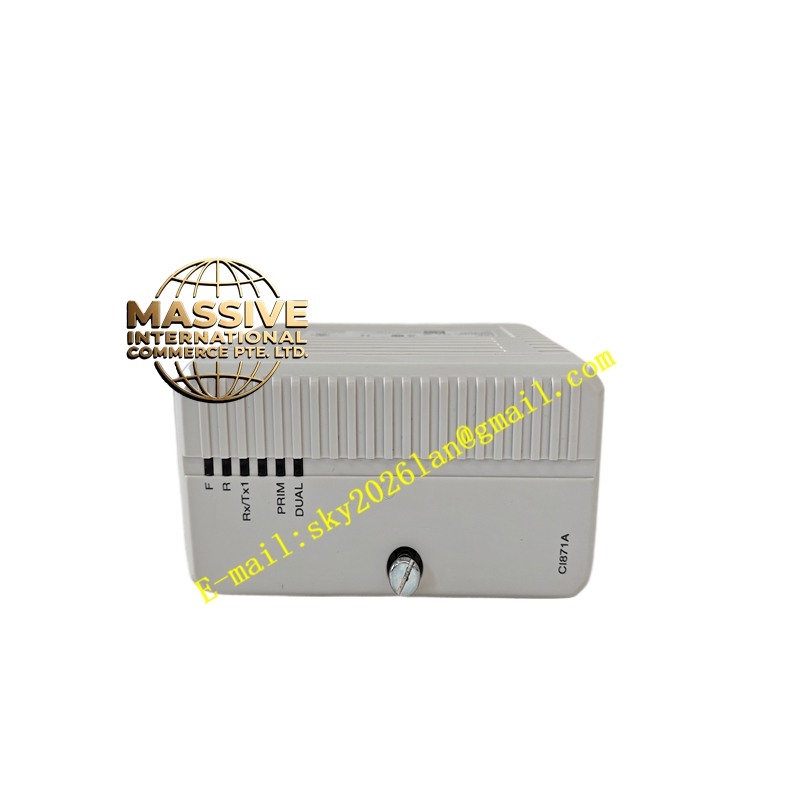
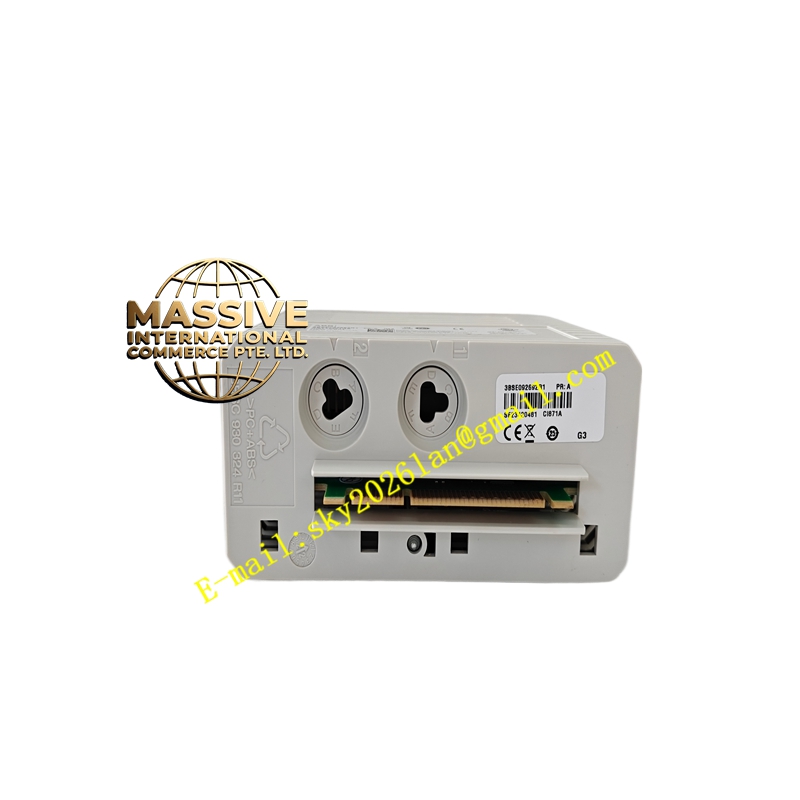
ABB CI871AK01 3BSE092693R1
Technical Specifications:
- Protocol Standard: Supports PROFINET IO V2.3 and V2.4 standards, as well as DP-V0/DP-V1 protocols.
- Network Capacity: Capable of connecting up to 256 PROFINET IO devices or 126 PROFIBUS slave devices.
- Communication Speed: High-speed data transfer rate reaching up to 12 Mbps with automatic baud rate detection.
- Operating Temperature: Rated for continuous operation between -25°C and +70°C (with storage temperatures ranging from -40°C to +85°C).
- Physical Interface: Features a standard 9-pin D-sub connector for PROFIBUS/PROFINET and an RJ45 port for Ethernet connectivity.
Functional Features:
- Redundancy Support: Supports redundant master station configurations, allowing two modules to connect to the same network with millisecond-level failover capabilities.
- Integrated Web Server: Includes a built-in web server for remote configuration, real-time diagnostics, and fault tracking without requiring local software.
- Comprehensive Diagnostics: Provides detailed status monitoring, including bus status, slave connection health, and error counters via LED indicators and the 800xA HMI.
- Flexible Installation: Compatible with standard 35mm DIN rail mounting or direct insertion into the 800xA dedicated rack system.
Application Scenarios:
- Process Automation: Widely deployed in oil, chemical, and pharmaceutical industries for integrating distributed field instruments and valve positioners.
- Power Generation: Utilized in power plants and substations to monitor voltage transformers, current transformers, and relay protection devices.
- Water Treatment: Enables remote monitoring and data communication for sewage treatment plants and municipal water distribution networks.
Performance Parameters:
- Data Exchange: Supports fast, cyclic data exchange and acyclic parameterization for rapid device commissioning.
- Reliability: Powered directly by the backplane bus (+5VDC), ensuring stable operation and eliminating the need for external power supplies.
- Certifications: Fully compliant with CE and UL508 industrial safety and performance standards.
Material Composition & Structural Characteristics:
- Dimensions & Weight: Compact industrial footprint measuring 127.5 mm in depth, 186 mm in height, and 59 mm in width, weighing approximately 0.7 kg.
- Enclosure: Ruggedized IP20 plastic housing designed for indoor control panel environments.
- Internal Build: High-density PCB assembly featuring advanced microprocessors and isolated communication transceivers for noise immunity.
Working Principle:
The CI871AK01 operates as an intelligent network interface. It translates control logic and setpoints from the AC 800M processor into PROFINET IO telegrams, transmitting them over the industrial Ethernet network to field devices. Simultaneously, it receives real-time process data and diagnostic information from the field, packages it according to the PROFINET standard, and maps it to the controller’s internal memory. The built-in redundancy mechanism continuously monitors the primary communication path and instantly switches to the backup module if a fault is detected.
Installation Requirements:
- Network Topology: Ensure proper termination and shielding of the PROFINET/PROFIBUS bus cables to maintain signal integrity at high speeds.
- Addressing: Configure the PROFINET device name or PROFIBUS address using the onboard DIP switches or the 800xA engineering tool.
- Power Verification: Confirm that the backplane provides stable +5VDC power before inserting the module.
Usage Precautions:
- Bus Power: Note that the module does not supply bus power; an external bus power supply is required for the connected field devices.
- Web Interface Security: If utilizing the built-in web server for diagnostics, ensure the network is secured to prevent unauthorized configuration changes.
- Environmental Limits: Strictly adhere to the 0°C to 60°C operational temperature range during runtime to prevent thermal degradation of internal components.
- Hot-Swap Protocol: Follow ABB’s specific hot-swap procedures when replacing the module in a redundant configuration to prevent network disruption.