


Description
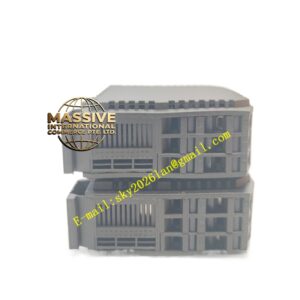
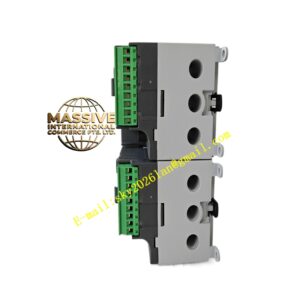
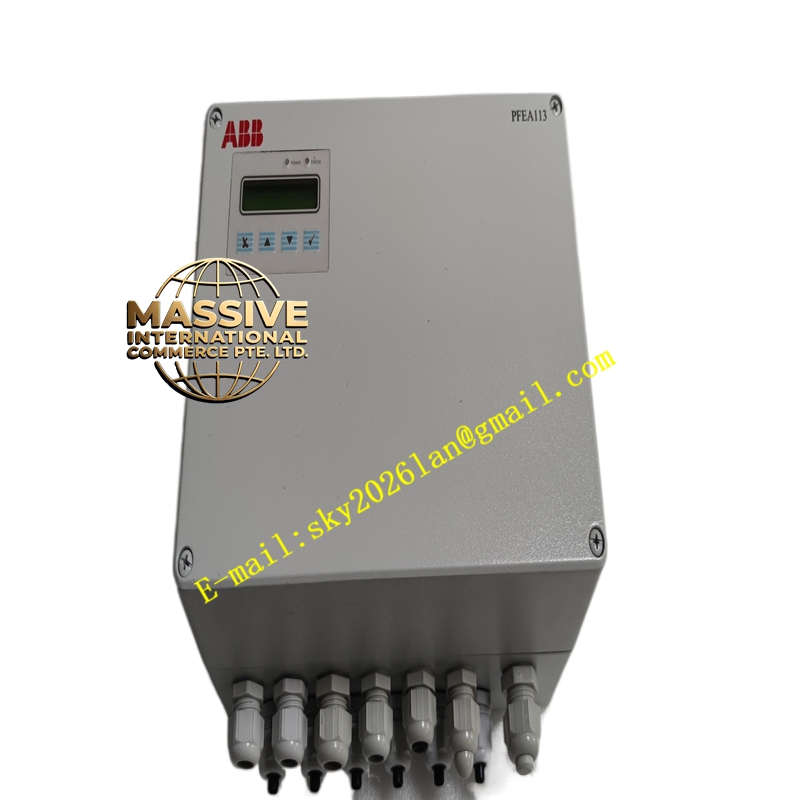
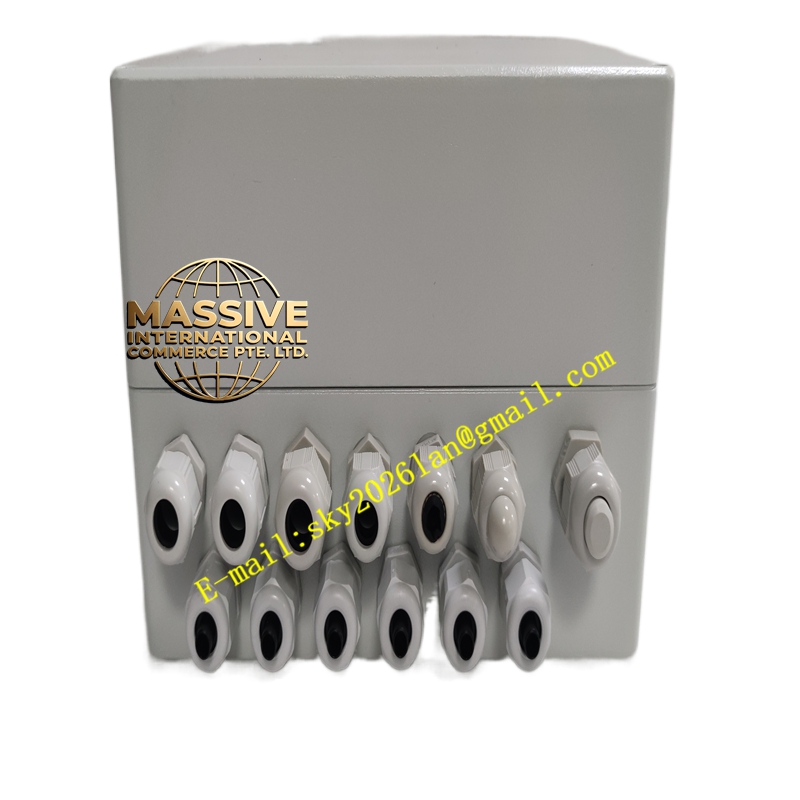
ABB PFEA113-65 3BSE028144R0065
Technical Specifications:
- System Compatibility: Fully compatible with ABB piezomagnetic load cells and standard Profibus-DP automation architectures.
- I/O Flexibility: Configurable digital and analog inputs/outputs for versatile integration with peripheral equipment.
- Data Handling: Supports high-resolution tension division and customizable measurement ranges.
- Maintenance Tools: PC-based parameter management and remote network access capabilities.
Functional Features:
- Precision Tension Calculation: Accounts for complex wrap angles and mechanical tare weights to deliver true tension readings.
- Integrated Simulation: Allows technicians to simulate tension signals and test logic without running the actual production line.
- Automated Diagnostics: Self-test routines continuously verify sensor integrity and internal processing health.
- Customizable Thresholds: Programmable tension limits for automated process control and safety interlocks.
Application Scenarios:
- Heavy-duty steel and aluminum cold rolling mills.
- Continuous galvanizing and annealing lines.
- High-tension web handling in heavy industrial manufacturing.
Performance Parameters:
- High-Resolution Output: Adjustable measurement ranges allow for fine-tuned Load Division, ensuring precise control even at high tension capacities.
- Robust Communication: Reliable Profibus-DP data transmission ensures zero-dropout tension feedback to the master controller.
- Dynamic Accuracy: Maintains high precision even under rapidly changing tension conditions typical in rolling processes.
Material Composition & Structural Characteristics:
- Internal Architecture: Advanced microprocessor and precision analog front-end components housed in a ruggedized industrial chassis.
- Terminal Interface: Secure, vibration-resistant wiring terminals for field connections.
- Thermal Design: Optimized internal layout and heat sinking to support continuous 24/7 operation in hot industrial environments.
Working Principle:
When a strip passes over the measurement roll, tension creates force vectors detected by the piezomagnetic load cells. The PFEA113-65 receives these raw signals, applies the configured Wrap Gain based on the geometric wrap angle, and subtracts the mechanical tare weight. The resulting absolute tension is scaled to the selected engineering units and transmitted to the automation system, which adjusts motor torque to maintain the desired setpoint.
Installation Requirements:
- Load Cell Verification: Cross-reference the load cell nameplate Nominal Load with the PFEA113-65 configuration before commissioning.
- Wrap Angle Calculation: Accurately measure and input the wrap angle to calculate the correct Wrap Gain; incorrect angles will result in false tension readings.
- Network Termination: Ensure proper Profibus termination resistors are in place at both ends of the network segment.
- Pre-Thread Zeroing: Execute the SetZero routine immediately prior to threading the strip to account for any residual mechanical forces.
Usage Precautions:
- Range Scaling: If the process tension is significantly lower than the unit’s maximum capacity, reduce the configured measurement range to maximize resolution and control accuracy.
- Sensor Protection: Avoid striking or overloading the load cells during mechanical maintenance, as piezomagnetic elements are sensitive to extreme shock.
- Backup Configuration: Regularly export the parameter set via PC to prevent loss of critical calibration data during unexpected hardware failures.