


Description
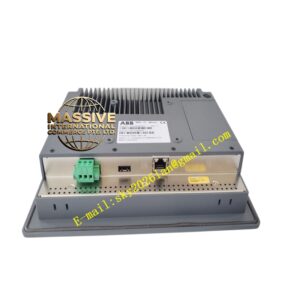
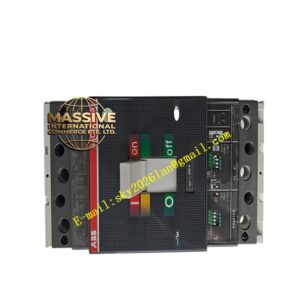
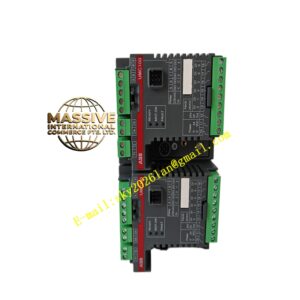
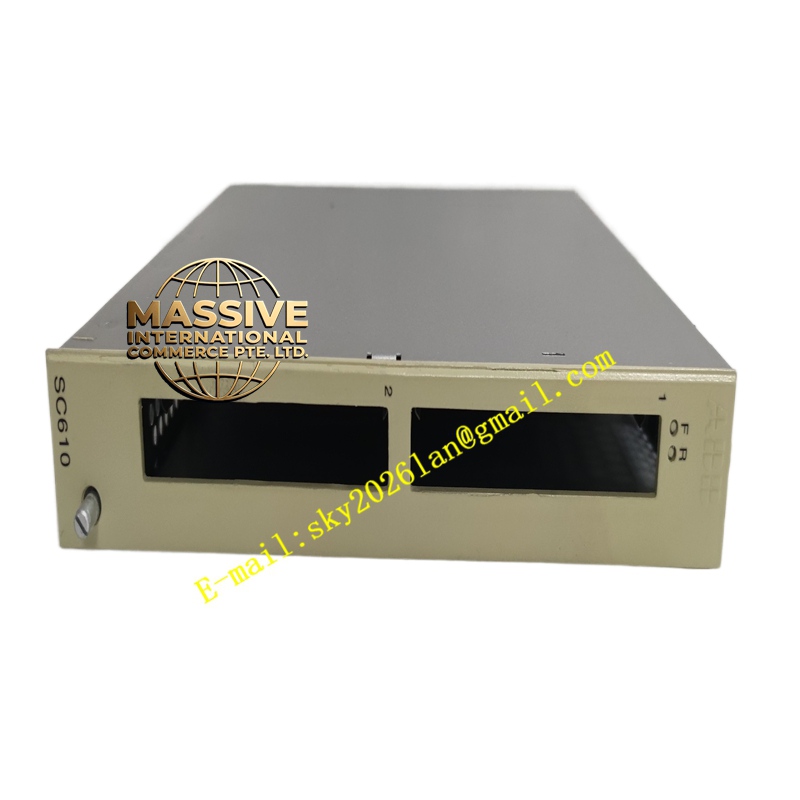
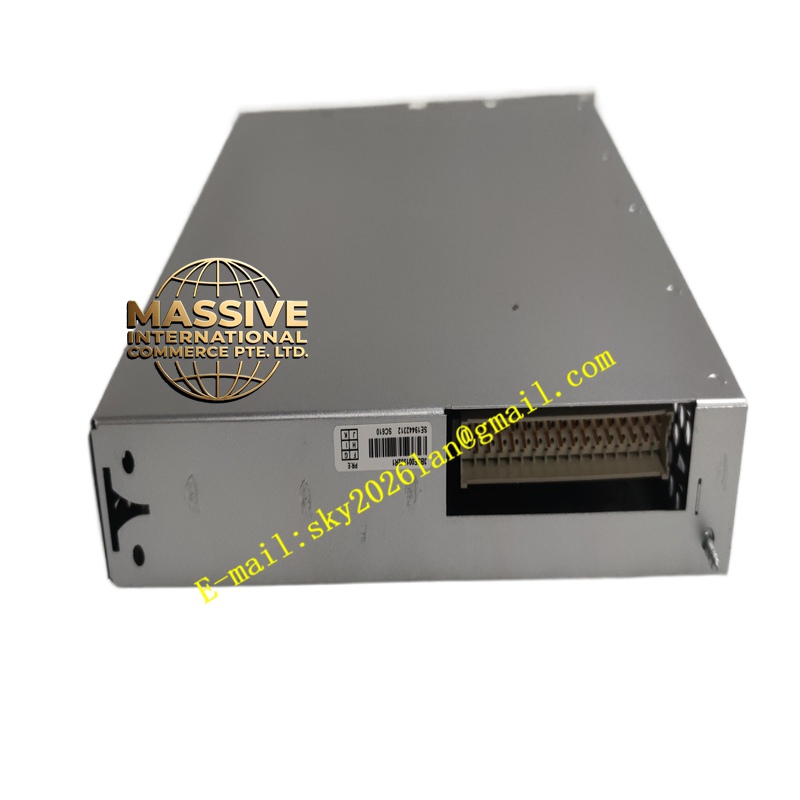
ABB SC610
Technical Specifications:
- Communication Interfaces: Supports multiple isolated serial ports, typically RS-232, RS-422, and RS-485.
- Baud Rate: Configurable data transfer rates up to 115.2 Kbps.
- Protocol Support: Native support for Modbus RTU/ASCII, SPA bus, and transparent serial pass-through.
- Isolation: High dielectric strength with galvanic isolation between channels and the system bus.
Functional Features:
- Multi-Drop Networking: RS-485 interface supports multi-drop configurations for connecting multiple devices on a single bus.
- Advanced Diagnostics: Real-time monitoring of communication status, error counters, and wire-break detection.
- Signal Conditioning: Built-in filtering and surge protection to ensure reliable data transmission in electrically noisy environments.
- Hot-Swappable: Supports live module replacement to minimize system downtime during maintenance.
Application Scenarios:
- Integration of legacy serial field instruments into modern DCS/PLC networks.
- Connecting local operator panels, barcode scanners, and serial printers.
- SCADA and RTU communication in utility and process industries.
Material Composition & Structural Characteristics:
- Enclosure: Ruggedized industrial plastic housing designed for DIN rail mounting.
- Connectors: Heavy-duty, secure terminal blocks or standard D-Sub connectors for field wiring.
- Status Indicators: Front-panel LEDs for power, transmit/receive activity, and fault indication.
Working Principle:
The SC610 receives data frames from the controller’s internal bus, applies the configured serial parameters (baud rate, parity, stop bits), and transmits them via isolated transceivers. It continuously monitors the bus for incoming data, validates the frames, and routes valid payloads back to the controller while managing flow control and buffering.
Installation Requirements:
- Use shielded twisted-pair cables for RS-485/422 connections to prevent electromagnetic interference.
- Install termination resistors at both physical ends of the RS-485 bus to prevent signal reflections.
- Ensure the communication parameters exactly match those of the connected field devices.
Usage Precautions:
- Verify that the external ground is not connected to the isolated serial port shields to prevent ground loops.
- Do not exceed the maximum number of nodes specified for the RS-485 multi-drop network.