


Description
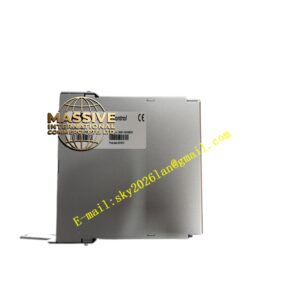
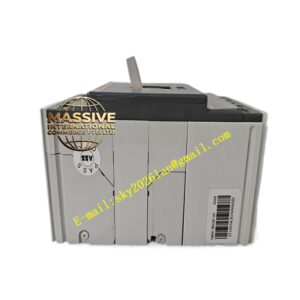
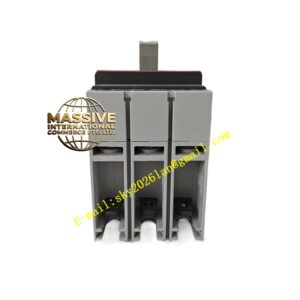
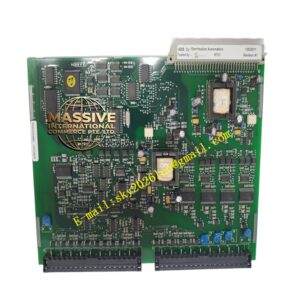
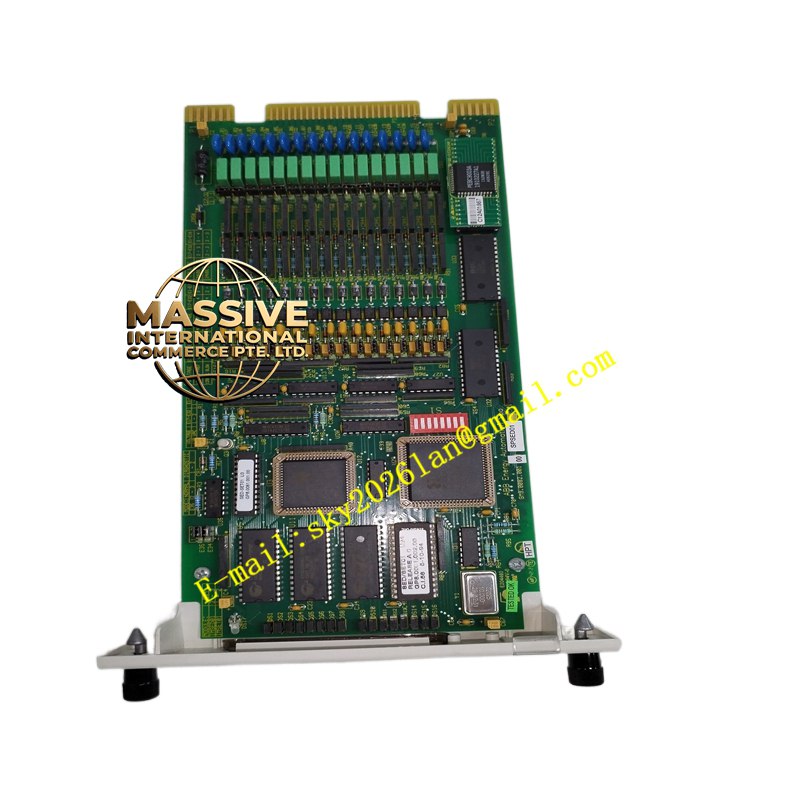
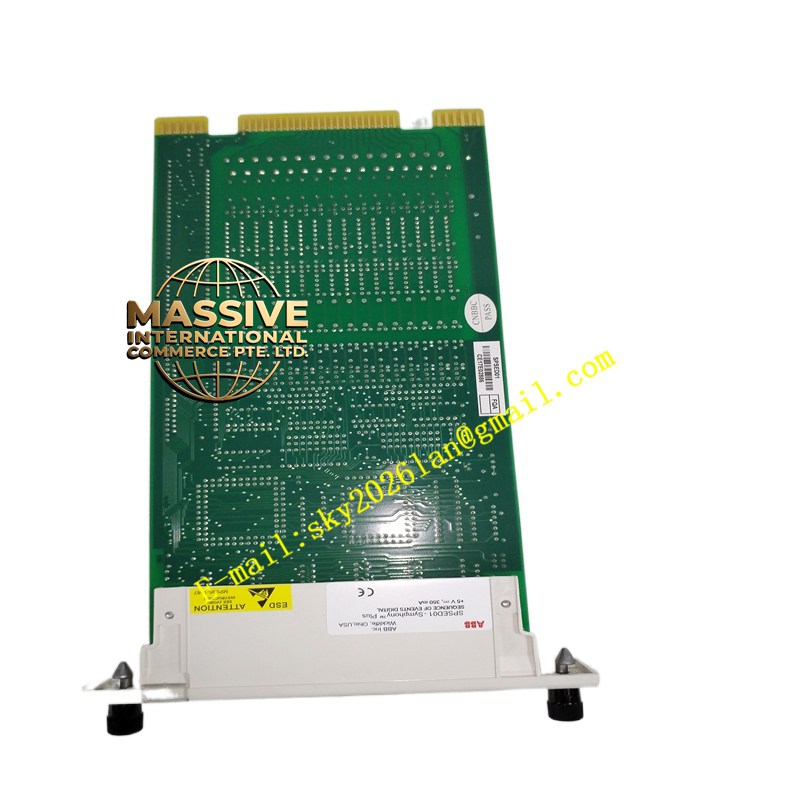
ABB SPSED01
Technical Specifications:
- Resolution: High-resolution timestamping (typically 1 ms or better).
- Channels: Multiple independent digital input channels.
- Time Synchronization: Synchronizes with the system master clock via the NTST01 terminal unit.
- Input Voltage: Compatible with standard 24V DC discrete signals.
Functional Features:
- Precise Timestamping: Records the exact time of state transitions for post-event analysis.
- Buffering: Stores events locally during communication loss and uploads them upon recovery.
- High-Speed Scanning: Detects fast transient events that standard DI modules might miss.
- Diagnostics: Reports input channel health and synchronization status.
Application Scenarios:
- Fault analysis in power generation and distribution.
- Trip sequence verification in turbine control.
- Process disturbance recording in chemical and petrochemical plants.
Material Composition & Structural Characteristics:
- Termination: Requires the NTST01 terminal unit for time synchronization and field wiring.
- PCB: Precision timing circuits and high-speed input buffers.
- Indicators: Channel status and SOE synchronization LEDs.
Working Principle:
The SPSED01 continuously monitors its digital inputs at a very high scan rate. When a state change is detected, it stamps the event with the current synchronized time and stores it in a local FIFO buffer. The controller periodically reads this buffer to reconstruct the exact sequence of events.
Installation Requirements:
- Connect to the NTST01 terminal unit for accurate time synchronization.
- Use shielded cables for SOE inputs to prevent false triggering.
- Ensure the system master clock is accurately synchronized (e.g., via GPS or NTP).