


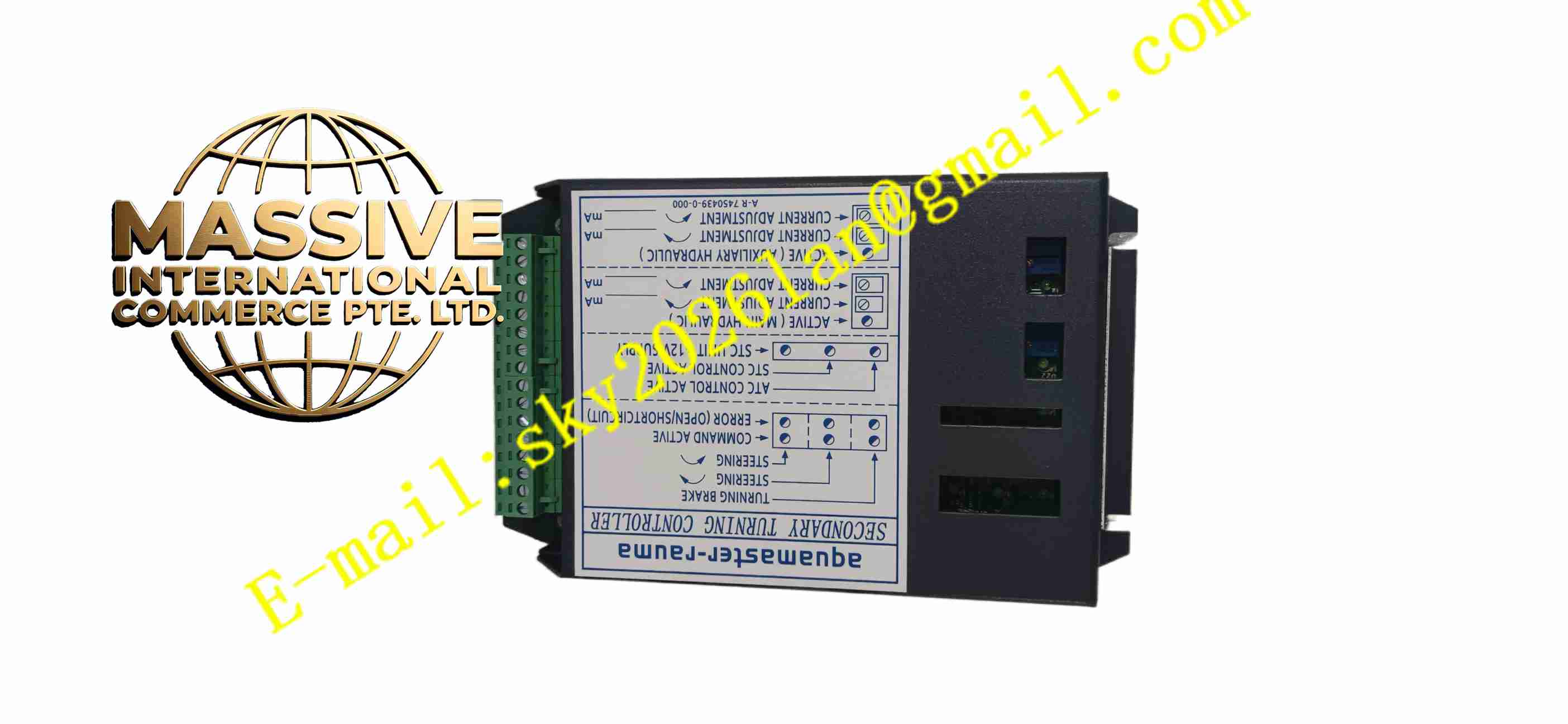
Description
Aquamaster-Rauma RAUMASTC-2
Technical Specifications Model: RAUMASTC-2 Brand: Aquamaster-Rauma Application Type: Marine steering system controller Power Supply: Marine DC 24V power supply Input Signal: Steering command signal, rudder angle feedback signal, status digital input Output Signal: Analog or digital control output to actuator drive unit Communication Interface: Marine fieldbus and serial communication port Operating Temperature: -10 ℃ ~ +55 ℃ Storage Temperature: -25 ℃ ~ +70 ℃ Relative Humidity: 10% ~ 95%, non-condensing Protection Grade: IP20 for module assembly Vibration Resistance: Meets marine vibration standard requirements
Functional Features Receives steering command from bridge control station and local control panel. Real-time collection of rudder angle feedback signal to realize closed-loop rudder position control. Built-in fault monitoring function detects signal disconnection, power abnormality and actuator fault. Multiple control mode switching including auto steering mode and manual local control mode. Signal redundancy processing improves system reliability for marine safety application. LED indicators display power status, running state and alarm information. Stores fault event logs for post-fault inspection and maintenance. Supports communication with ship alarm monitoring system to upload alarm signals.
Application Scenarios Ship main steering gear control, thruster positioning control, vessel bridge maneuvering system, offshore platform auxiliary steering control, workboat and cargo ship marine automation control system.
Performance Parameters Controller maintains stable closed-loop rudder angle regulation under ship vibration and marine electromagnetic interference. Fault detection circuit responds quickly when sensor or cable failure occurs. Redundant signal processing ensures continuous control output during single signal channel failure. Internal memory retains fault log data after power loss. Hardware operates continuously under high humidity marine cabin environment. Communication interface transmits alarm and status data stably to ship monitoring system.
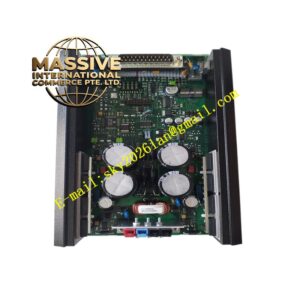
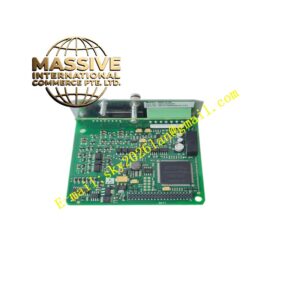
Material Composition Module Housing: Marine-grade flame-retardant aluminum alloy housing. Main PCB: FR4 multi-layer printed circuit board with thick conformal coating against moisture and salt mist. Core Electronic Components: Industrial microprocessor, analog signal acquisition chip, relay output chip, EMC protection components, non-volatile memory, bus transceiver chip. Connector: Marine-grade waterproof and vibration-resistant screw terminal connectors. Indicator Components: High-brightness LED status indicators. Fasteners: Stainless steel anti-corrosion screws and fixing brackets.
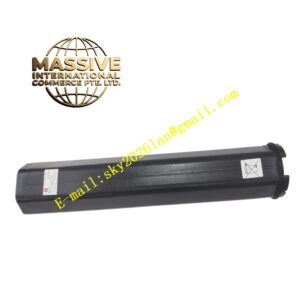
Structural Features Rugged rectangular metal housing structure resisting marine vibration and salt spray corrosion. Front panel equipped with LED indicators and maintenance test terminals. Rear panel integrates multi-channel signal terminals and power terminals. Internal circuit layout separates low-voltage analog signal circuit and digital communication circuit. Internal shock-absorbing structure reduces impact of hull vibration on PCB components. Sealed structural design reduces salt mist and moisture entering the housing.
Working Principle 24V DC marine power supplies the internal circuit of RAUMASTC-2. The controller receives steering command signal from bridge operation station, and collects real-time rudder angle signal from rudder feedback sensor. The internal microprocessor calculates deviation between target rudder angle and actual measured rudder angle, generates control command and sends control signal to steering actuator drive unit. The system continuously monitors all input signals, power supply voltage and communication state. Once abnormal signal or hardware fault is detected, the controller triggers alarm output and records fault information into event log. It switches control mode automatically according to system configuration and uploads status and alarm data to ship central monitoring system through communication interface.
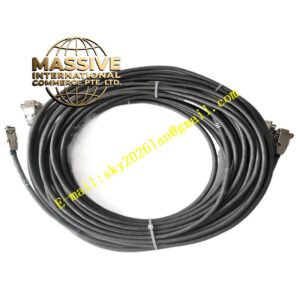
Installation Requirements Install the unit inside dry marine control cabin away from splash and direct seawater spray. Mount the controller on shock-absorbing bracket to reduce hull vibration transmission. Connect 24V DC marine power supply, command cables and rudder sensor cables to corresponding terminals. Use marine shielded twisted pair cable for signal wiring, follow marine wiring specification. Complete grounding connection to ship protective earth system. Set control parameters and calibrate rudder angle feedback after wiring completion. Carry out function test and fault simulation test before ship sea trial.
Usage Precautions Check terminal tightness regularly, hull vibration may loosen screw terminals. Prevent salt mist condensation inside housing, keep cabin ventilation dry. Do not apply signal voltage exceeding rated input range to signal terminals. Do not disassemble metal housing without professional authorization. Back up configuration parameters before replacement or maintenance. Check cable insulation periodically in marine environment. Shut down controller power before modifying wiring.