



Description
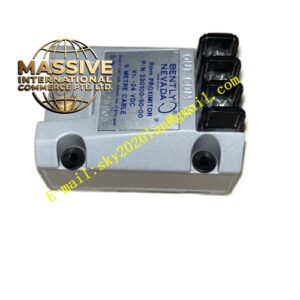
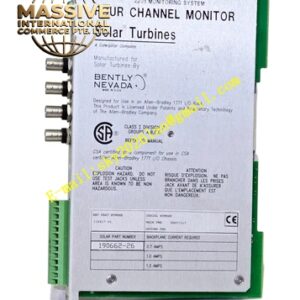
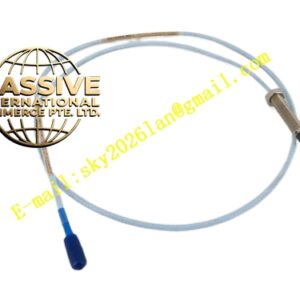
Bently 130713‑02‑50‑01
Technical Specifications:
- Sensing Principle: Eddy‑current non‑contact induction
- Mechanical Thread Specification: Custom NSv compact mounting‑thread
- Total System Electrical‑Length: Matches 5‑meter NSv transducer‑system
- Nominal Sensitivity: 7.87 V/mm
- Linear Gap Measurement Range: 0 mm ~ 1.25 mm
- Probe Tip Coil Diameter: NSv compact dimension
- Operating Temperature: ‑55 °C ~ +175 °C
- Storage Temperature: ‑60 °C ~ +180 °C
- Internal Coil Resistance: Factory‑calibrated nominal value
- Connector: NSv dedicated miniature coaxial connector at probe cable tail
- Probe Body Housing Material: 316 stainless‑steel
- Cable Jacket: FEP fluoropolymer
- Weight: 0.11 kg Functional Features:
- Compact narrow‑side‑view mechanical dimension, fits installation locations with extremely limited radial mounting‑clearance where standard proximity‑probes cannot be installed.
- Factory‑calibrated coil assembly, guarantees linear gap‑voltage characteristic within full‑specified measurement‑range.
- 316‑stainless‑steel probe‑body provides corrosion‑resistance for oily, humid industrial‑plant environment.
- FEP‑jacketed integral pigtail‑cable with pre‑fitted NSv miniature coaxial‑connector, directly mates with NSv‑series extension‑cable.
- Designed exclusively for matching with 990 and 991 integrated two‑wire transmitters, cannot work with traditional separate rack‑mount proximitor hardware.
- Excellent high‑temperature‑resistance performance, adapts high‑surface‑temperature bearing‑housing installation‑points on steam‑turbine equipment. Application Scenarios: Radial‑shaft‑vibration monitoring for rotating‑machinery with narrow installation‑clearance; axial thrust‑position measurement for compact‑design compressor and pump bearing assemblies; machinery‑retrofit‑projects where existing probe‑mounting hole dimension only accepts NSv compact‑size probe; high‑temperature bearing‑housing monitoring‑points on steam‑turbine units. Performance Parameters: Linear‑error within specified gap‑range ≤±1.5% full‑scale; low temperature‑drift within operating‑temperature band; stable coil‑impedance after long‑time thermal‑cycle exposure. Material Composition: 316‑stainless‑steel probe housing and mounting‑thread; high‑precision wound copper sensing coil inside probe tip; high‑temperature‑resistant ceramic coil‑former; FEP‑insulated integral pigtail‑cable; nickel‑plated‑brass NSv miniature coaxial‑connector; high‑temperature‑silicone sealing compound for internal potting. Structural Characteristics: Compact narrow‑diameter probe‑body; threaded mounting‑section for housing‑installation; tip‑end embedded sensing‑coil assembly; integral short pigtail‑cable extends from probe rear‑end, terminates at NSv‑standard coaxial‑connector; probe‑body surface laser‑marked with full‑part‑number and unique factory serial‑number. Working Principle: High‑frequency excitation signal output from 990 / 991 integrated‑transmitter passes through NSv extension‑cable to reach probe internal sensing‑coil. Alternating‑current inside coil generates alternating‑magnetic‑field. When conductive metal shaft target exists within magnetic‑field coverage area, eddy‑current induces on shaft‑surface. Variation of physical gap‑distance between probe tip and shaft changes eddy‑current magnitude, which causes corresponding impedance‑variation of probe coil. Transmitter circuit detects coil‑impedance‑change and converts impedance‑value into actual gap‑distance value for vibration or thrust‑position calculation. Installation Requirements:
- Screw probe into designated mounting‑thread hole on bearing‑housing, adjust initial mechanical gap to target mid‑gap position, then lock probe by lock‑nut.
- After mechanical installation completes, measure gap‑voltage via Prox‑Out diagnostic terminal on matched 990 / 991 transmitter, confirm operating‑point locates inside linear‑range zone.
- Route probe integral pigtail‑cable and subsequent extension‑cable separate from high‑power drive‑cables to reduce electromagnetic‑interference.
- Maintain minimum‑bending radius requirement for probe pigtail‑cable; avoid sharp bending near probe‑body root position.
- Confirm total electrical‑length of this NSv probe plus matched extension‑cable strictly matches transmitter calibrated system‑length parameter. Usage Notes:
- Do not disassemble probe‑body housing. Internal coil assembly is factory‑potted and calibrated; any disassembly permanently ruins probe performance.
- Prevent mechanical‑collision between probe tip and rotating shaft during commissioning or unit startup; tip‑collision damages internal sensing‑coil.
- Do not cut or modify probe integral pigtail‑cable; cutting changes factory‑calibrated electrical‑length and impedance.
- Do not perform high‑voltage megger insulation test on probe coil and pigtail‑cable assembly.
- Periodically verify gap‑voltage reading during routine equipment‑inspection work; obvious gap‑voltage drift indicates mounting‑loosening, cable‑aging or probe‑damage fault condition.