



Description
Bently 3500-32-01-00
Technical Specifications
- Module Type: 4-Channel Relay Output Module
- Relay Type: Electromechanical or solid-state (depending on configuration)
- Contact Rating: Typically 30V DC / 2A per relay
- Logic Options: OR, AND, NAND, NOR, and alarm delay timers
Functional Features
- Programmable Logic: Each relay can be independently configured with complex logical operators to respond to specific alarm combinations from multiple monitor channels.
- Alarm Annunciation: Drives external annunciator panels, PLCs, or DCS systems for operator awareness.
- Machine Protection: Executes automatic trip commands to shut down machinery when critical alarm thresholds are exceeded.
- Self-Diagnostics: Continuously monitors relay health and reports faults to the system.
Application Scenarios
Universally used across all rotating equipment protection systems to interface the 3500 monitoring system with plant control systems, emergency shutdown systems (ESD), and local alarm panels.
Performance Parameters
- Relay Response Time: Fast-acting for critical trip applications
- Electrical Isolation: Complete galvanic isolation between relay contacts and backplane
- Operating Temperature Range: -30°C to +65°C (-22°F to +149°F)
Material Composition
Constructed with high-reliability relay components and robust internal bus connections to ensure consistent operation under continuous vibration and thermal cycling.
Structural Characteristics
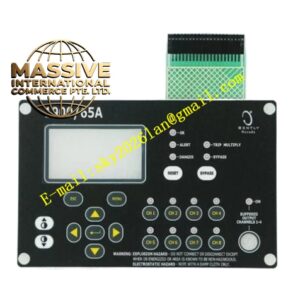
Standard 3500 module form factor with front-panel LED indicators for each relay’s energized/de-energized state and rear terminal blocks for field wiring connections.
Working Principle
Continuously reads alarm status flags from the 3500 backplane, evaluates the programmed logic for each relay channel, and actuates the relay contacts when the logical conditions are satisfied.
Installation Requirements
Install in any available relay slot in the 3500 rack. Wire field connections according to the plant’s electrical safety standards and verify proper relay operation during system testing.
Usage Precautions
Always use properly rated fuses or circuit breakers on relay output circuits. Never exceed the contact voltage or current ratings. Perform regular relay exercise testing to prevent contact sticking.