


Description
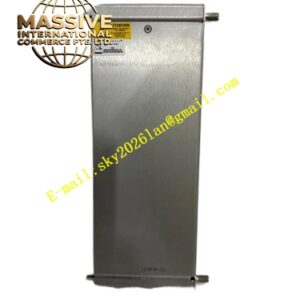
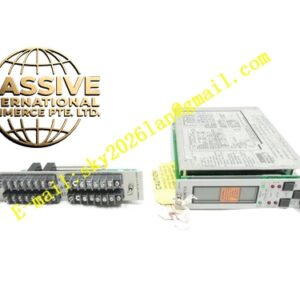
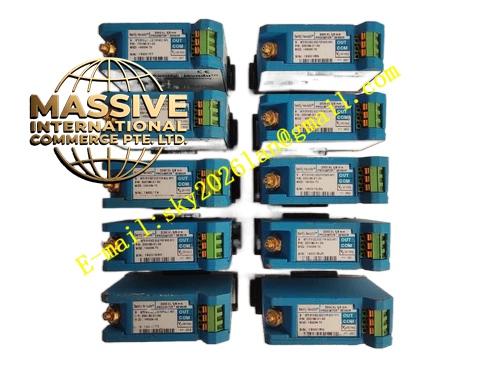
Bently Nevada 3300/46-08-03-01-00
Technical Specifications:
- Product Series: 3300 Series Machinery Protection System
- Module Type: Differential Expansion Monitor
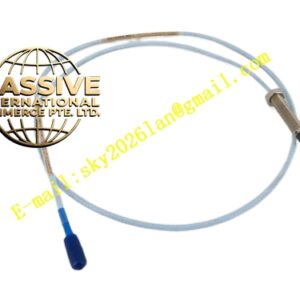
- Input Compatibility: Accepts signals from 3300 XL proximity transducer systems (25mm or 50mm probes depending on application)
- Channel Configuration: Supports dual-channel differential measurement
- Output: Analog output proportional to differential expansion, relay alarm outputs
Functional Features:
- Real-time monitoring of thermal expansion differences between rotor and casing
- High-precision measurement using advanced signal processing algorithms
- Programmable alarm setpoints for Alert and Danger levels
- Compatible with Bently Nevada 3500 and 3300 monitoring systems
- Designed for harsh industrial environments with strong anti-interference capability
- Supports continuous recording and trending of differential expansion data
Application Scenarios:
- Steam turbine differential expansion monitoring in power generation plants
- Gas turbine rotor-to-casing expansion monitoring
- Large rotating machinery thermal growth measurement
- Boiler feed pump expansion monitoring
- Compressor casing and rotor thermal expansion tracking
Performance Parameters:
- Measurement Range: Customizable based on probe selection and application requirements
- Accuracy: Industry-leading precision ensuring reliable monitoring data
- Response Time: Fast response to capture rapid differential expansion changes
- Operating Temperature: Designed for harsh industrial environments including high temperature, high humidity, and strong electromagnetic interference
Material Composition:
- Enclosure: Industrial-grade metal housing
- Internal Circuitry: Multi-layer PCB with precision signal conditioning and microprocessor circuits
- Environmental Sealing: Epoxy-sealed components for moisture and contaminant protection
Structural Features:
- Rack-mountable module compatible with 3300/3500 series frames
- Front panel status indicators for operational monitoring
- Rear terminal connections for sensor input and relay output
- Designed for DIN rail or panel mounting configurations
Working Principle: The 3300/46 monitor receives signals from two proximity probe systems installed at different axial positions on the turbine. One probe measures rotor position relative to a fixed reference, while the other measures casing expansion. The monitor calculates the difference between these two measurements to determine the differential expansion. This differential value is continuously compared against user-programmable alarm thresholds. When the differential expansion exceeds the Alert or Danger setpoint, the monitor activates the corresponding relay outputs to trigger alarms or initiate protective shutdown sequences.
Installation Requirements:
- Must be mounted in a compatible 3300/3500 series equipment rack
- Requires properly calibrated 3300 XL proximity transducer systems (25mm or 50mm probes)
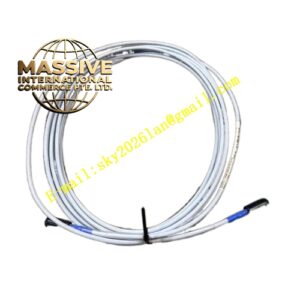
- Sensor cables must use shielded coaxial cable with single-point grounding
- Probes must be installed at designated axial positions per turbine OEM specifications
- Adequate clearance must be maintained for cable routing and maintenance access
Usage Notes:
- Only trained personnel shall install, operate, maintain, or repair the product system
- Strictly follow the product system technical specifications and typical application guidelines
- Verify probe calibration and gap settings before commissioning
- Regularly inspect LED status indicators to confirm normal module operation
- Alarm thresholds must be set according to the specific turbine OEM clearance specifications
- Ensure all wiring connections are secure and free from electromagnetic interference sources