


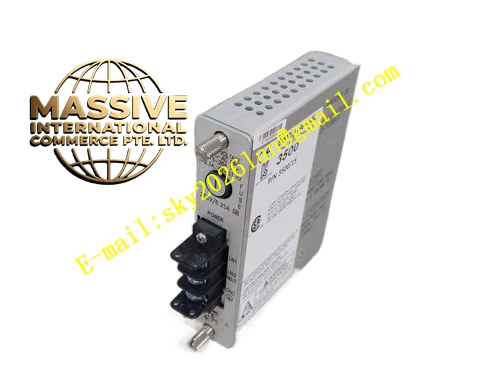
Description
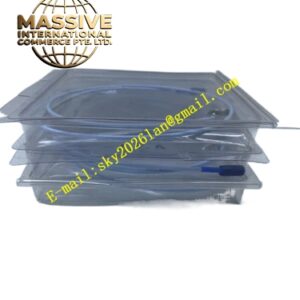
Bently Nevada 330930-065-01-00
Technical Specifications
- Cable Length: 6.5 meters (21.3 feet)
- Cable Construction: 75 Ω coaxial with stainless steel armor and FEP jacket
- Connector Type: Miniature coaxial ClickLoc connectors at both ends
- Agency Approval: Not required
- Operating Temperature: -51°C to +177°C
- Storage Temperature: -55°C to +200°C
- DC Resistance: Center conductor 0.220 Ω/m, Shield 0.066 Ω/m
- Capacitance: 69.9 pF/m typical
- Rated Voltage: 30 Vdc maximum
- Rated Current: 20 mA maximum
- Minimum Bend Radius: 50 mm
- Weight: Approximately 0.014 to 0.15 kg depending on exact construction
Functional Features
- Patented CableLoc design provides 220 N (50 lbf) pull strength
- FluidLoc construction prevents fluid ingress along cable length
- Stainless steel armor protects against abrasion and mechanical damage
- FEP outer jacket offers chemical resistance and high-temperature tolerance
- Gold-plated brass ClickLoc connectors ensure reliable electrical contact
- Complete interchangeability with other 3300 XL NSv system components
- Color-coded or labeled connectors prevent misconnection
Application Scenarios
- Oil-laden turbine bearing housing environments
- Chemical processing plants with corrosive atmospheres
- Outdoor rotating equipment exposed to weather
- Pulp and paper machine wet end applications
- Any 3300 NSv system requiring 6.5 meters of probe-to-Proximitor extension
Performance Parameters
- Signal attenuation minimal over 6.5 meter length
- Phase shift negligible within 0 to 10 kHz frequency range
- Shield coverage exceeds 90% for excellent EMI immunity
- Characteristic impedance maintained at 75 Ω ±5%
- Temperature stability ensures consistent calibration across full range
Material Composition
- Center Conductor: Silver-plated copper or high-purity copper
- Insulation: Fluorinated ethylene propylene
- Shield: Braided tinned copper with aluminum foil layer
- Armor: Flexible AISI 302/304 stainless steel braid
- Outer Jacket: Fluorinated ethylene propylene
- Connectors: Gold-plated brass with stainless steel bodies
Structural Characteristics
- Round cross-section with uniform outer diameter
- Pre-assembled miniature coaxial connectors at each end
- Male-to-female connector configuration for probe-to-extension mating
- Flexible construction allows routing through conduit and tight spaces
- Length tolerance of +20%, -0%
Working Principle The extension cable transmits the high-frequency RF excitation signal from the Proximitor sensor to the probe coil and returns the impedance-modulated signal reflecting target displacement. The 75 Ω characteristic impedance matches the probe and Proximitor, ensuring minimal signal reflection and maximum power transfer. The multi-layer shielding prevents external electromagnetic interference from corrupting the low-level analog signal.
Installation Requirements
- Total system electrical length must match Proximitor sensor calibration
- Minimum bend radius of 50 mm must be observed to prevent impedance changes
- Route away from high-voltage power cables maintaining at least 30 cm separation
- Secure with cable clamps at regular intervals to prevent fatigue
- Connectors must be fully seated and locked to achieve environmental seal
Usage Precautions
- Verify connector mating torque to prevent intermittent connections
- Inspect jacket integrity before installation in fluid-exposed areas
- Do not splice or shorten the cable
- Store coiled loosely to prevent memory kinks
- Replace if armor shows signs of damage or jacket is compromised
- Connector protectors are recommended for exposed connections