


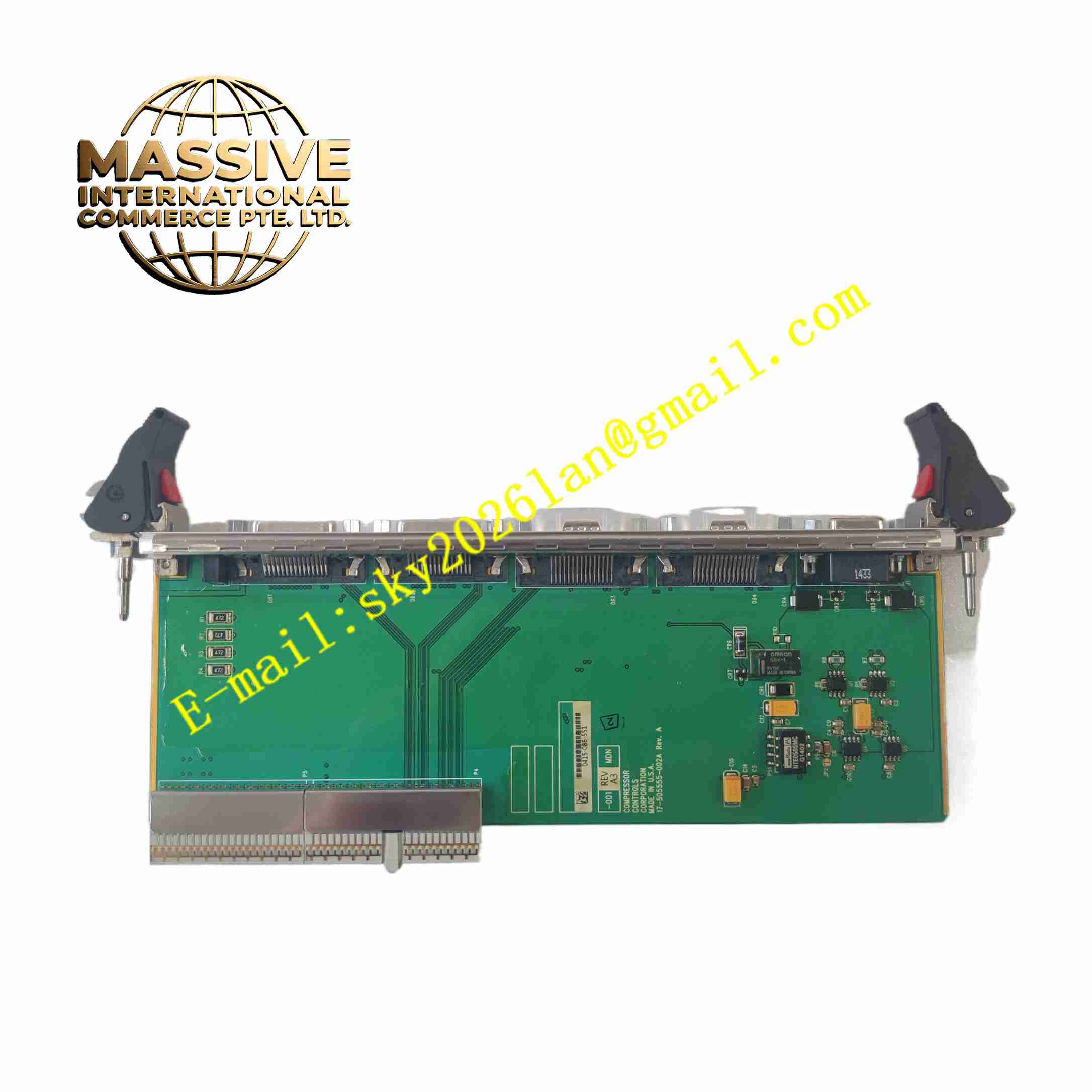
Description
CCC TIOC-555HD
Technical Specifications
- Brand: CCC
- Model: TIOC-555HD
- Product type: Compressor and turbine control module
- Application platform: CCC compressor and turbine control systems
- Core function: Real-time control, signal processing and I/O management
- Processor: High-performance processor with FPGA-based real-time execution
- I/O support: Analog and digital input/output channels
- Communication protocols: Modbus, Profibus, Ethernet
- Redundancy: Supports power, communication and signal redundancy
- Power supply: 24 VDC
- Operating temperature: -40°C to +70°C
- Humidity: 5% to 95% non-condensing
- Mounting: Rack-mounted modular design
Functional Features
- Executes real-time control algorithms for compressors and turbines.
- Processes analog signals such as pressure, temperature and flow.
- Manages digital inputs and outputs for status monitoring and actuator control.
- Supports Modbus, Profibus and Ethernet communication.
- Provides fault detection, diagnostics and status reporting.
- Supports redundant configuration to improve system availability.
- Modular design enables direct replacement and system expansion.
- Integrates with DCS, SCADA and CCC control platforms.
Application Scenarios
- Natural gas compressor control.
- Anti-surge control for process compressors.
- Gas turbine and steam turbine control.
- Oil and gas production facilities.
- Power plant auxiliary equipment control.
- Chemical process compressor systems.
- Industrial refrigeration and large cooling systems.
- Pipeline compressor stations.
Performance Parameters
- Real-time control execution with millisecond-level response.
- Multi-channel analog and digital I/O processing.
- Communication via Modbus, Profibus and Ethernet.
- 24 VDC module power supply.
- Operating temperature range: -40°C to +70°C.
- Humidity tolerance: 5% to 95% non-condensing.
- Redundant power and communication support.
- Exact channel count, processor speed, memory size and firmware version should be confirmed from the CCC technical manual.
Material Composition
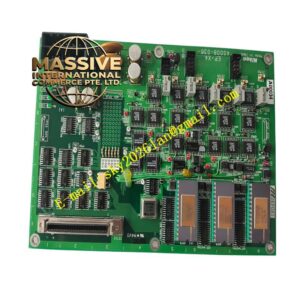
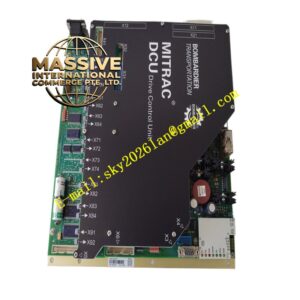
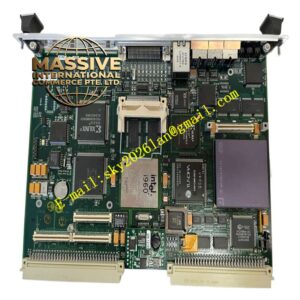
- Industrial-grade PCB assembly
- High-performance processor
- FPGA logic device
- Analog signal conditioning circuit
- Digital I/O interface circuit
- Communication interface modules
- Power regulation circuit
- Metal shielding and rack connector
- Status indicators and module label
Structural Features
- Modular rack-mounted design.
- Front or rear connectors for I/O and communication.
- Status LEDs for power, communication and fault indication.
- Compatible with CCC control rack architecture.
- Designed for hot-swap replacement where system configuration permits.
- Label includes model, revision and serial number.
- Exact connector layout and slot requirements depend on the CCC system version.
Working Principle
The TIOC-555HD receives field signals from sensors, transmitters and digital devices, then processes them through its high-speed processor and FPGA logic. Control algorithms calculate required outputs for actuators, valves, fuel systems or compressor protection functions. The module exchanges data with other CCC controllers, DCS systems and operator stations through Modbus, Profibus or Ethernet interfaces. Redundant configurations allow a standby module to take over when a primary module fails, reducing unplanned shutdown risk.
Installation Requirements
- Install only in compatible CCC control racks.
- Verify that the module model matches the system configuration.
- Confirm 24 VDC power supply stability before power-up.
- Check communication addresses and network settings.
- Ensure I/O wiring matches the control system drawings.
- Verify redundancy configuration if the module is used in a redundant pair.
- Test standby module switchover periodically.
- Confirm firmware compatibility before replacement.
Precautions for Use
- Do not replace or reseat the module without confirming system safety requirements.
- Avoid live insertion or removal unless the system explicitly supports hot swap.
- Investigate fault alarms before resetting the controller.
- Keep spare modules stored in dry, static-safe conditions.
- Record firmware versions before upgrading.
- Do not modify control parameters without authorized procedures.
- Specific I/O mapping, redundancy logic and diagnostic codes should follow the official CCC documentation.