


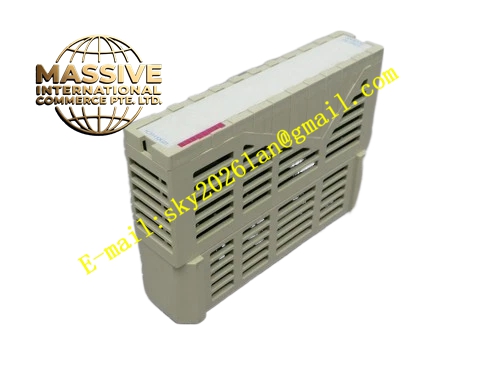
Description
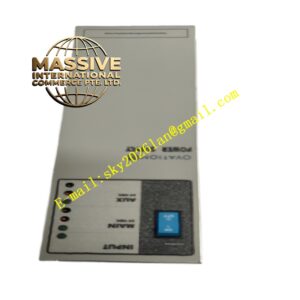
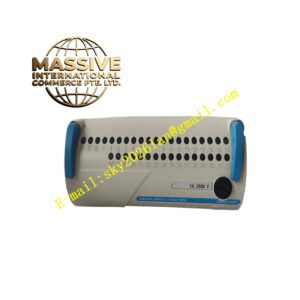
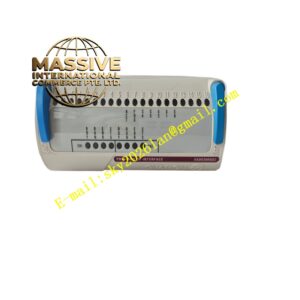
Emerson 1C31132G01
Technical Specifications: Operating voltage 24VDC. 16 analog input channels. Input signal range 4-20mA. Resolution 16-bit. Operating temperature -40°C ~ +70°C. Isolation voltage 1500VAC between field and control circuit.
Functional Features: 16 independent analog input channels. Channel wire break detection and overrange alarm. Built-in signal filtering to suppress high frequency noise. Hot-swap support. LED indicator for module running and fault state. Each channel has independent surge protection circuit.
Application Scenarios: Thermal power plant boiler and turbine control systems, hydroelectric generating set monitoring, large pulp mill process control, metallurgy furnace parameter monitoring, waterworks automatic control systems.
Performance Parameters: Signal sampling cycle 60ms. Measurement accuracy ±0.15% of full scale. MTBF 440000 hours. Input impedance 250Ω for 4-20mA loop.
Material Composition: Circuit board uses FR-4 flame retardant PCB. Housing is UL94-V0 ABS plastic. Components include precision ADC chips, signal isolation circuits, surge protection components, reference voltage modules. Connector pins use gold-plated copper alloy.
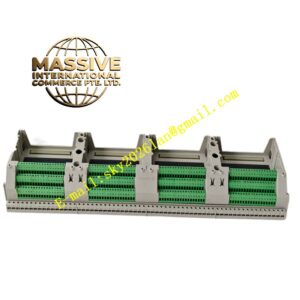
Structural Features: Standard Ovation rack plug-in module. Front panel with status LED indicators. External terminal block for field transmitter wiring. Internal channel circuits separated to reduce cross interference.
Working Principle: 4-20mA current signals from field transmitters enter module via terminal block. Signals pass through filtering and surge protection circuit. ADC chip converts analog current signal into digital value. Digital data transmits to Ovation controller through backplane bus. Diagnostic circuit checks loop integrity and reports wire break or overrange fault.
Installation Requirements: Install in Ovation dedicated rack. Connect field instrument wires to terminal block and tighten terminals. Ensure reliable cabinet grounding. Maintain non-condensing ambient humidity 5%~95%.
Usage Notes: Do not connect voltage signal directly to current input channels. In hazardous areas, wiring must follow explosion-proof specifications. Do not exceed maximum allowable input current of each channel.