


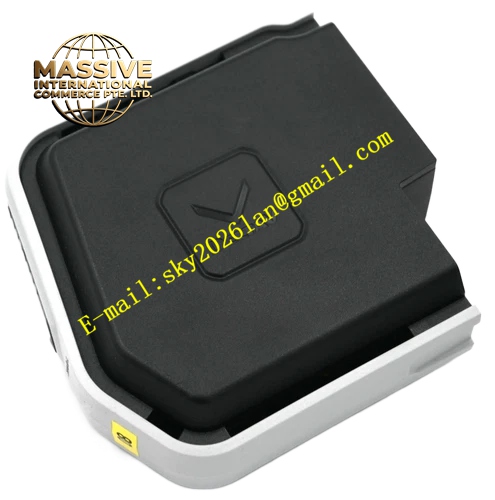
Description
Emerson KJ2231X1-ED1
Technical Specifications
- Compatible System: Emerson DeltaV DCS
- Network Interface: DeltaV dedicated control network
- LocalBus Supply: 12VDC
- Operating Ambient Temperature: 0℃ ~ 60℃
- Storage Temperature: -40℃ ~ 85℃
- Relative Humidity: 5% ~ 95%, non-condensing
- Protection Grade: IP20
- Installation Type: DeltaV rack plug-in module
- Built-in network communication diagnosis function
- Front panel LED indicators for network running and fault state
Functional Features High-speed network transceiver circuit realizes bidirectional data exchange between DeltaV controller and system operation network. Real-time network monitoring circuit detects network disconnection, signal attenuation and packet loss state. Front-panel LED indicators display module running status and network communication state. Plug-in rack mechanical design supports hot swap under non-critical process operating conditions. Built-in surge protection circuit suppresses interference on system communication network.
Application Scenarios DeltaV DCS main control cabinets in chemical plants, oil & gas processing facilities, pharmaceutical factories and pulp and paper mills. It acts as communication bridge between DeltaV main controller and operator stations, engineering workstations on DCS control network.
Performance Parameters Communication circuit maintains stable high-speed data transmission within full working temperature range. Diagnostic circuit captures network communication abnormality rapidly. Network interface withstands electromagnetic interference from industrial cabinet environment. Data transmission keeps low packet loss rate under continuous long-time operation.
Material Composition Flame-retardant engineering plastic front panel. Multi-layer flame-retardant glass-fiber epoxy PCB. Communication processing microprocessor, network transceiver chips and LED indicators. Gold-plated copper alloy backplane connector. Metal shielding components for anti-electromagnetic interference.
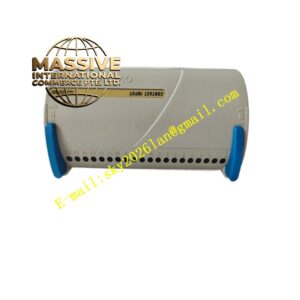
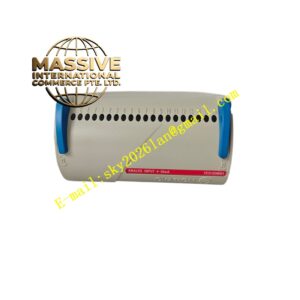
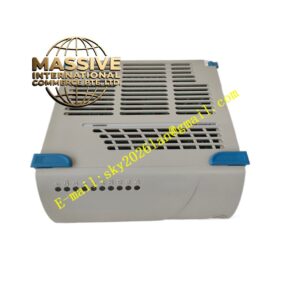
Structural Features Standard plug-in card matching DeltaV rack slot. Front panel equipped with running status LED and network fault LED indicators. Guide rails and mechanical latch lock module firmly inside rack. Rear gold-plated connector mates with DeltaV rack backplane. Internal metal shielding reduces electromagnetic interference impact.
Working Principle The module connects to DeltaV controller and DCS system network through rack backplane and network port. It receives process data and alarm events from DeltaV controller and forwards data to operator stations and engineering workstations. It receives configuration download commands from engineering workstation and transmits control logic and parameter data to DeltaV controller. On-board monitoring circuit checks network signal quality and connection state continuously. When network communication failure occurs, module generates fault alarm and sends alarm message to DeltaV operator station.
Installation Requirements Insert module along rack guide rail into designated DeltaV rack slot and lock mechanical latch. Confirm backplane connector fully engages with rack backplane. Reserve air circulation space around module for heat dissipation. Complete network parameter configuration in DeltaV engineering workstation after hardware installation.
Precautions for Use Take anti-static protective measures during module handling. Do not touch gold-plated connector pins directly by bare hands. Inspect connector contact condition regularly. Do not apply overvoltage to network terminals. Do not disassemble module housing.