


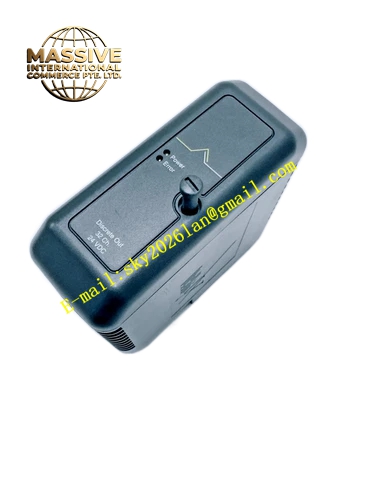
Description
Emerson KJ3001X1-CB1
Technical Specifications
- Number of Input Channels: 16 independent digital input channels
- Input Signal Type: Dry contact discrete switching signal
- Isolation Mode: Galvanic isolation between field circuit and DCS backplane
- LocalBus Supply: 12VDC
- Operating Ambient Temperature: 0℃ ~ 60℃
- Storage Temperature: -40℃ ~ 85℃
- Relative Humidity: 5% ~ 95%, non-condensing
- Protection Grade: IP20
- Communication Bus: DeltaV LocalBus proprietary backplane bus
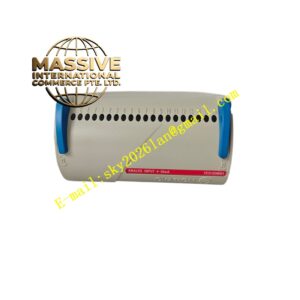
- Mechanical Form: Standard DeltaV rack plug-in card
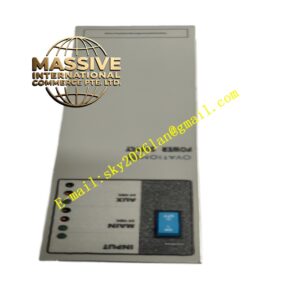
Functional Features High-speed signal sampling circuit captures the on and off state of field dry contact devices. Galvanic isolation components separate field wiring and internal DCS circuit to suppress surge voltage and common-mode electromagnetic interference induced by long field cables. Continuous channel diagnosis monitors each input channel and detects wire break and short-circuit faults. Front-panel LED indicators display module power status, fault alarm and real-time status of every individual channel. Hot-swap mechanical design supports module replacement under non-critical process operating conditions without cabinet power-off. The module performs signal debounce processing to filter transient contact bounce interference from mechanical switches.
Application Scenarios DeltaV DCS control cabinets deployed in chemical plants, oil refineries, natural gas processing facilities, pharmaceutical factories, pulp and paper mills and thermal power plants. It collects equipment running status, limit position feedback, safety relay status and manual switch signals for process interlock and sequence control logic.
Performance Parameters Signal sampling circuit maintains stable contact state acquisition within the full rated working temperature interval. Galvanic isolation withstands high common-mode voltage from field switching circuits. Debounce circuit eliminates false signal triggers caused by mechanical contact bounce. Diagnostic circuit detects wiring abnormalities and pushes alarm events without delay. DeltaV LocalBus ensures reliable transmission of discrete status data and fault alarm information.
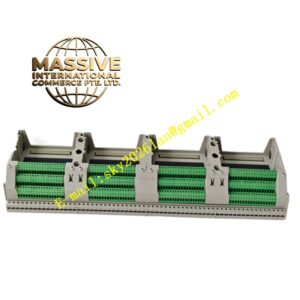
Material Composition Flame-retardant engineering plastic front housing. Multi-layer flame-retardant glass-fiber epoxy printed circuit board. Signal sampling chips, galvanic isolation devices, main microprocessor and LED status indicators. Gold-plated copper alloy backplane connector with anti-oxidation plating layer. Matching terminal base consists of flame-retardant PA plastic and nickel-plated copper screw terminals.
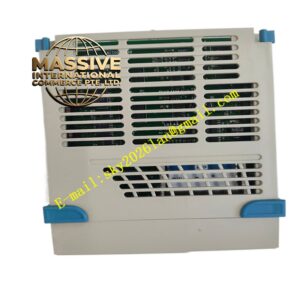
Structural Features Compact plug-in card structure matching standard DeltaV rack slot dimensions. Front panel integrates power indicator, fault indicator and sixteen independent channel status LED lights. Built-in guide rails and spring mechanical latch fix the module firmly inside the equipment rack and prevent loose contact caused by cabinet vibration. Rear gold-plated multi-pin connector completes electrical connection with DeltaV rack backplane LocalBus. Module bottom contacts precisely mate with supporting wiring terminal base for field signal termination. Outer shell adopts heat-dissipation slot design to enhance natural convection cooling inside closed cabinets.
Working Principle Field dry contact switches transmit discrete on-off signals to module channels through the terminal base and field cables. The signal passes through galvanic isolation circuit to separate field loop and DCS backplane circuit. On-board sampling chip detects the closing or opening state of each contact channel and converts status into digital data. Debounce circuit filters short-time contact bounce noise of mechanical switches. Digital status data is uploaded to the DeltaV main controller via rack LocalBus backplane. Real-time monitoring circuit continuously checks channel state. When wire break or short-circuit fault appears, the module generates fault flag and uploads alarm message to the DeltaV operator station.
Installation Requirements Insert the module along rack guide rail into the designated DeltaV rack slot and fasten the mechanical latch completely. Use shielded twisted-pair cables for field switch wiring. Cable shielding layer implements single-point grounding inside the control cabinet only. Separate digital signal cables from high-voltage power cables and large-current motor cables to avoid electromagnetic coupling interference. Reserve sufficient air circulation space around the module to guarantee heat dissipation, do not block shell heat-dissipation slots. Complete hardware identification and parameter configuration in DeltaV engineering workstation after hardware installation.
Precautions for Use Carry out anti-static protection measures during module handling; do not touch gold-plated connector pins with bare hands. Cut off field circuit power supply before performing wiring modification work. Verify channel status feedback after module replacement. Check terminal screw tightening torque and cable insulation condition in regular cabinet maintenance cycles. Do not apply external voltage exceeding rated range to input signal terminals. Do not disassemble module outer housing, internal circuit components cannot be maintained on-site.