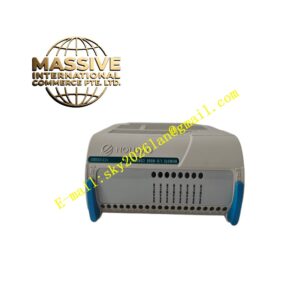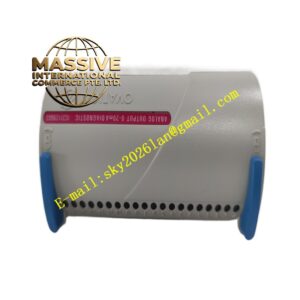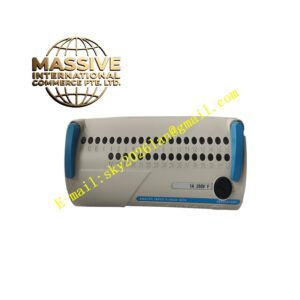



Description
Emerson KJ4001X1-CH1
Technical Specifications:
- Brand: Emerson (DeltaV)
- Model Number: KJ4001X1-CH1
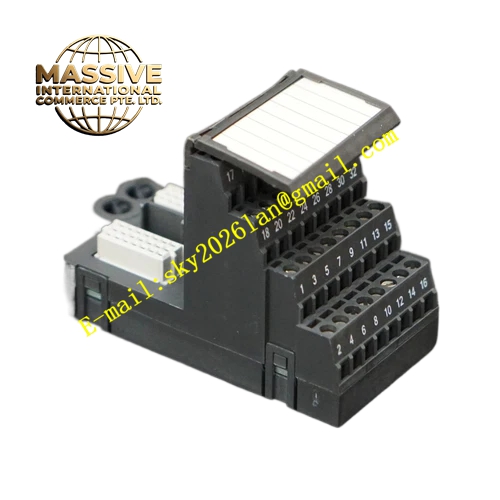
- Product Type: RTD Terminal Block
- System Platform: Emerson DeltaV DCS
- Sensor Compatibility: RTD (Resistance Temperature Detector) sensors
- Mounting: Carrier-mounted terminal block
Functional Features:
- RTD Signal Interface: Provides dedicated terminals for connecting RTD sensor leads to the DeltaV I/O system
- Carrier Integration: Designed to mate with DeltaV I/O carriers for seamless signal routing
- Secure Wiring: Screw-type terminals ensure reliable field connections for temperature sensor wiring
- Standardized Layout: Follows DeltaV terminal block conventions for consistent wiring documentation and maintenance
Application Scenarios:
- Temperature monitoring in chemical process reactors and vessels
- Pipeline temperature measurement in oil and gas production
- Heat exchanger inlet/outlet temperature monitoring in power generation
- Batch process temperature control in pharmaceutical manufacturing
- Any DeltaV installation requiring RTD-based temperature measurement
Material Composition:
- Industrial-grade terminal block housing
- Copper alloy screw terminals with corrosion-resistant plating
- PCB interconnect for carrier backplane mating
Structural Features:
- Standard DeltaV terminal block form factor
- Multiple screw terminals for RTD lead connections (2-wire, 3-wire, or 4-wire configurations)
- Backplane connector for carrier integration
- Labeling area for circuit identification
Working Principle:
The KJ4001X1-CH1 terminal block receives the resistance signal from field-mounted RTD sensors through its screw terminals. The terminal block routes this signal through the carrier backplane to the corresponding analog input card, which converts the resistance value into a temperature reading. The terminal block itself is a passive interface — it provides the physical connection point without active signal processing.
Installation Requirements:
- Mount the terminal block onto the appropriate DeltaV I/O carrier
- Connect RTD sensor leads to the designated terminals following the wiring diagram
- Ensure proper wire gauge and torque specifications for terminal screws
- Verify terminal block keying matches the I/O card configuration
- Route sensor cables away from high-voltage power cables to minimize noise
Usage Precautions:
- De-energize field circuits before making or breaking terminal connections
- Verify RTD wiring configuration (2-wire, 3-wire, or 4-wire) matches the I/O card settings
- Do not exceed the terminal block voltage and current ratings
- Inspect terminals periodically for looseness or corrosion
- Use shielded cables for RTD connections in electrically noisy environments