


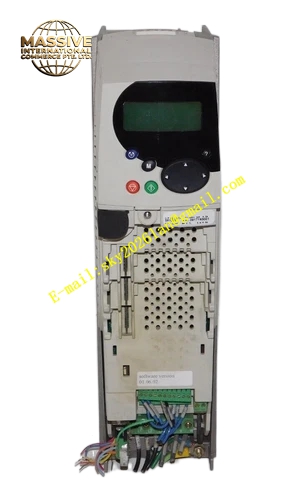
Description
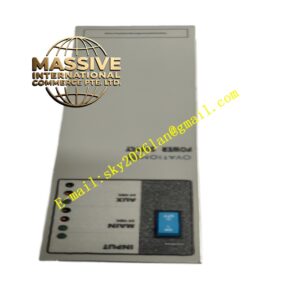
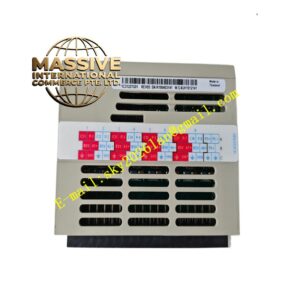
Emerson SP9413
Technical Specifications
- Input Voltage Range: 85VAC ~ 264VAC wide‑range AC input
- Multiple isolated DC output channels
- Redundant parallel hot backup capability
- Integrated overvoltage, undervoltage, overcurrent and overtemperature hardware protection
- Operating Ambient Temperature: 0℃ ~ 60℃
- Storage Temperature: -40℃ ~ 85℃
- Relative Humidity: 5% ~ 95%, non‑condensing
- Rack plug‑in mounting structure
- Front panel LED indicators for power status and fault alarm
Functional Features
Wide AC input range adapts to power fluctuation of industrial site power grid. Multiple isolated DC outputs provide independent power supply for controller core circuit and communication chips. Redundant hot backup design realizes seamless power switchover without controller power interruption. Built‑in hardware protection circuit cuts off output immediately under fault conditions. Front panel LED indicators display real‑time running status and fault alarm. Plug‑in mechanical structure supports hot swap under non‑critical process operating conditions.
Application Scenarios
Ovation DCS main control racks in thermal power plants, chemical processing plants and pulp mills. It provides redundant power supply for Ovation main controller and rack communication interface modules.
Performance Parameters
Power conversion circuit maintains stable DC output under full rack load within rated temperature range. Redundant power switchover completes in microsecond level without power interruption. Protection circuit triggers rapidly once parameters exceed safety limit. Low output ripple reduces electromagnetic interference to controller core processing circuit.
Material Composition
Metal housing with anti‑corrosion coating. Multi‑layer flame‑retardant glass fiber epoxy PCB. High‑frequency transformer, rectifier components, filter capacitors, power switching devices and signal sampling chips. Gold plated copper alloy backplane connector. Flame‑retardant plastic front panel fitted with LED indicators.
Structural Features
Standard plug‑in module for Ovation rack power slot. Front panel equipped with power normal LED and fault alarm LED. Internal metal shielding shell suppresses electromagnetic emission. Rear gold plated connector connects to rack backplane. Air inlet and outlet vents on housing realize heat dissipation.
Working Principle
AC power is transmitted into module through rack backplane connector. AC‑DC conversion circuit converts alternating current into stable direct current through rectification, filtering and voltage regulation. Multiple groups of DC power distribute to controller and communication module slots via rack backplane. Sampling circuit continuously detects output voltage, current and internal temperature. Once working parameters exceed preset threshold, hardware protection circuit activates and triggers fault alarm. Two redundant modules share load in normal state, and healthy module bears full load when one module fails.
Installation Requirements
Cut off rack AC power before installation. Insert module along rack guide rail into designated power slot and lock mechanical latch. Verify AC wiring complies with power specification. Ensure cooling vents remain unobstructed. Configure redundant power parameters on DCS engineering workstation when dual power modules are installed.
Precautions for Use
Take anti‑static protection during module handling. Do not cover ventilation openings on module housing. Inspect AC wiring tightness periodically. Do not dismantle metal housing of power module. Replace module immediately after fault alarm is triggered.