


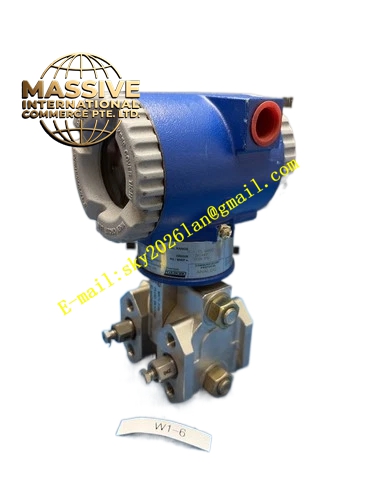
Description
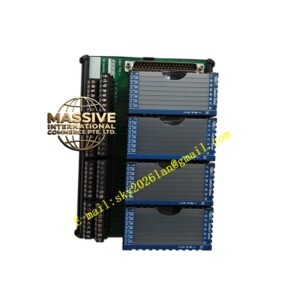
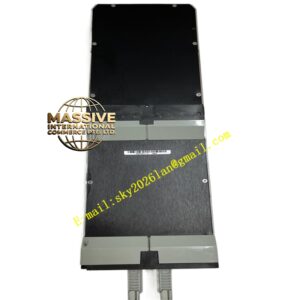
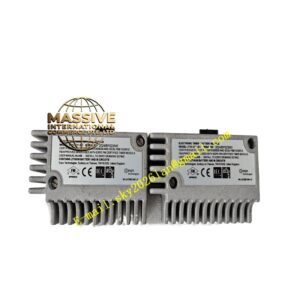
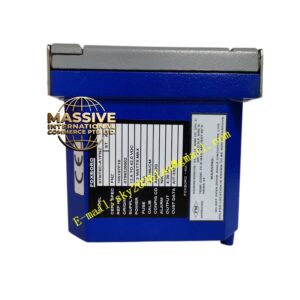
Foxboro IDP10-AF1C01F
Technical Specifications
- Measurement Type: Differential Pressure (DP).
- Output Signal: 4-20 mA analog output, optionally superimposed with HART, FOXCOM, or FOUNDATION Fieldbus digital protocols.
- Power Supply: 11.5 to 42 VDC (two-wire loop powered).
- Sensor Technology: Field-proven polysilicon sensor for high stability and accuracy.
Functional Features
- High Accuracy & Stability: Delivers exceptional precision (typically ±0.05% of span) and outstanding long-term stability, minimizing the need for frequent recalibration.
- Smart Configuration: Allows for linear or square root output, adjustable damping, and fail-safe mode configuration via digital communication or local interface.
- No-Pressure Recalibration: Enables span adjustments using the onboard LCD indicator and buttons without applying physical pressure, greatly simplifying field maintenance.
- Versatile Wetted Materials: Available with 316L stainless steel, Co-Ni-Cr alloy, Monel, or Tantalum sensor materials to handle corrosive media.
Application Scenarios
Widely deployed in oil and gas, refining, chemical processing, power generation, and pharmaceutical industries. Common applications include flow measurement (via orifice plates), level measurement in tanks, and monitoring filter differential pressure.
Performance Parameters
- Temperature Effect: Total effect of ambient temperature is typically ±0.2% of upper range limit per 55°C change.
- Relative Humidity: 0 to 100% operational range.
- Protection Rating: NEMA 4X / IP66 rated enclosure.
Material Composition
The process housing is available in low-copper aluminum alloy or 316 stainless steel, finished with a durable, corrosion-resistant epoxy powder coat. The sensor assembly utilizes a polysilicon sensing element isolated by a diaphragm and filled with silicone or fluorinated inert oil.
Structural Characteristics
Features a traditional or low-profile coplanar housing design. Equipped with an optional local LCD digital indicator and configuration buttons for easy onsite operation. Includes standard 1/2-14 NPT or M20 x 1.5 conduit entries.
Working Principle
Differential pressure is applied to the sensor’s isolation diaphragm and transmitted via fill fluid to the polysilicon strain gauge. The change in resistance is measured, amplified, and compensated for temperature and non-linearity by an internal microprocessor before being converted to a precise 4-20 mA output signal.
Installation Requirements
Can be mounted directly on piping, on a manifold, or on a standpipe using optional mounting brackets. Ensure proper grounding of the transmitter housing. For liquid service, vent the impulse lines; for gas service, drain any condensate.
Usage Precautions
When performing zero trim, ensure both high and low pressure sides are perfectly equalized. Never exceed the maximum rated static pressure or temperature limits of the sensor. Follow all hazardous area classification guidelines when opening the housing in classified locations.