


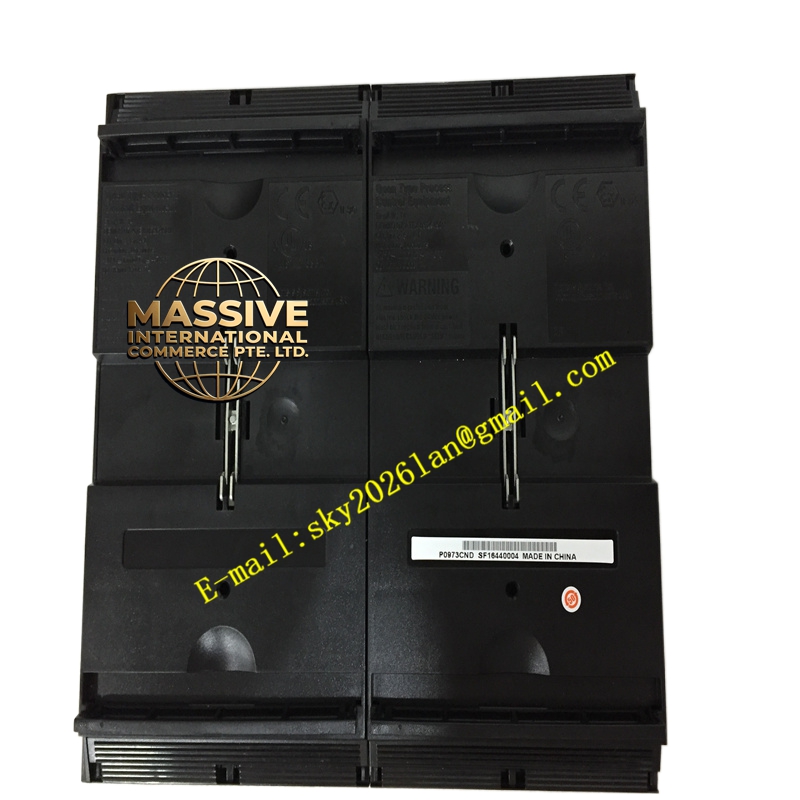
Description
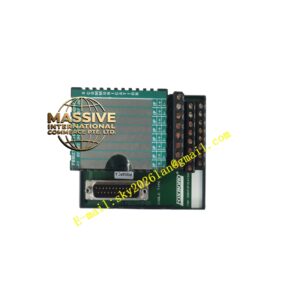
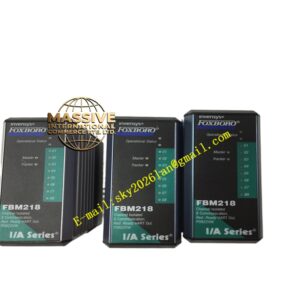
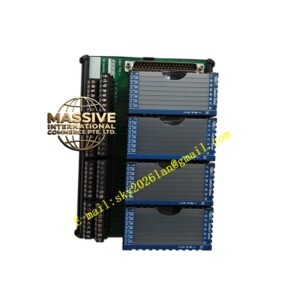
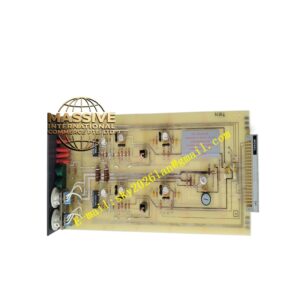
Foxboro P0973CN
Technical Specifications:
- Slot Count: 4 slots for I/A Series modules
- Module Type: I/A Series (e.g., FBM230, FBM231, etc.)
- Power Inputs: Primary and secondary power inputs for redundancy
- Fieldbus Interfaces: Dual fieldbus interfaces for communication redundancy
- Mounting Type: DIN-rail or panel mount for flexibility in cabinet installation
- Dimensions: Standard industrial form factor (exact dimensions may vary)
- Weight: Approximately 2-3 kg (varies by specific configuration)
- Operating Temperature: 0°C to 60°C (varies by specific configuration)
- Storage Temperature: -40°C to 85°C
- Environmental Rating: Designed for harsh industrial environments with high shock and vibration resistance
Functional Features:
- Modular Design: Allows easy addition or removal of modules to adapt to changing application requirements.
- Redundant Power: Dual power inputs ensure continuous operation in case of power failure.
- Dual Fieldbus: Supports redundant fieldbus connections for enhanced communication reliability.
- Compact Size: Space-saving design ideal for distributed I/O applications.
- Scalability: Can be integrated into larger systems and expanded with additional baseplates or modules as needed.
Application Scenarios:
- Distributed I/O: Used in large-scale industrial plants for distributed I/O and remote monitoring.
- Process Control: Applied in chemical processing, oil and gas refining, and water treatment for remote I/O expansion.
- Machine Control: Integrated into large machinery and equipment for distributed control and monitoring.
- Building Automation: Applied to building management systems for distributed I/O and device integration.
- Power Generation: Used in power plants for remote monitoring and control of generators and switchgear.
Performance Parameters:
- Electrical Isolation: Provides proper isolation between power, communication, and I/O modules to prevent ground loops and noise.
- Thermal Management: Designed to dissipate heat efficiently to maintain optimal operating temperatures.
- Mechanical Stability: Robust construction ensures minimal vibration and shock impact on module performance.
- Scalability: Supports system expansion by adding additional baseplates or modules as needed.
Material and Structural Characteristics:
- Material: High-strength aluminum or steel alloy for structural integrity and heat dissipation.
- Plating: Nickel or tin plating on connectors and contacts for corrosion resistance.
- Finish: Powder coating for enhanced durability and resistance to harsh environments.
- Module Position Indicators: DIP switches or LEDs for module identification and status monitoring.
Working Principle:
The P0973CN baseplate provides physical and electrical connections for I/A Series modules. It distributes power from primary and secondary inputs to each module and facilitates communication through dual fieldbus interfaces. Modules slide into the baseplate and lock securely, establishing electrical contact via backplane connectors. The baseplate also provides isolation and protection against electrical noise and transients.
Installation Requirements:
- Mounting Surface: Ensure a flat, stable surface for DIN-rail or panel mounting.
- Wiring: Connect power and fieldbus cables according to wiring diagrams, ensuring proper polarity and termination.
- Grounding: Provide proper grounding to the chassis to prevent electrical noise and ensure safety.
- Module Insertion: Insert modules carefully into the baseplate, ensuring they are fully seated and locked.
Usage Notes:
- Module Compatibility: Ensure that all inserted modules are compatible with the baseplate and each other.
- Redundancy Configuration: Configure primary and secondary power inputs and fieldbus interfaces for redundancy as per system requirements.
- Maintenance: Regularly inspect connections, clean contacts, and verify module status LEDs for proper operation.
- Safety: Follow lockout/tagout procedures during installation or maintenance to prevent electrical hazards.