


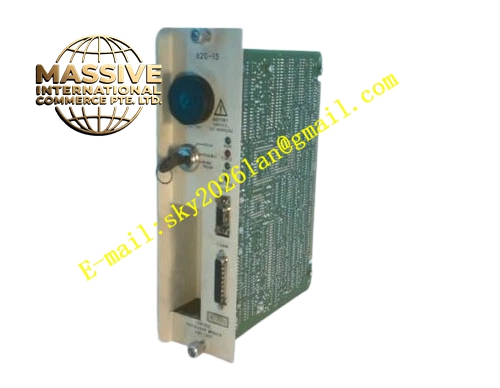
Description
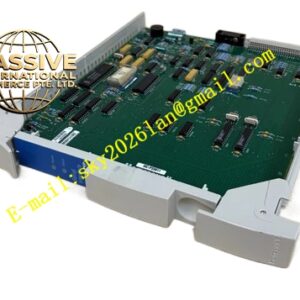
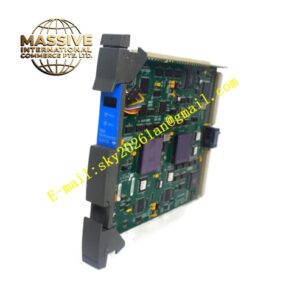
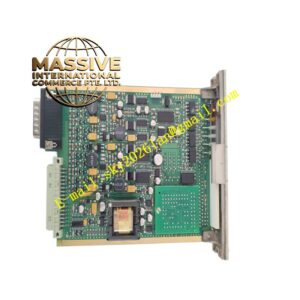
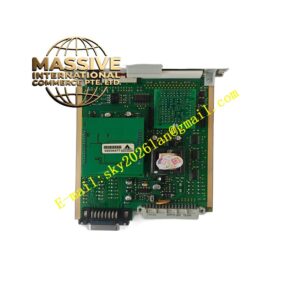
Honeywell 620-2616
Technical Specifications
- Channel count: 6 independent thermocouple input channels
- Supported thermocouple types: J, K, T, E, S, R
- Cold junction compensation accuracy: ±0.3 °C
- ADC resolution: 16-bit
- Measurement range: -200 °C to +1600 °C
- Channel isolation: 500 VAC group isolation
- Backplane interface: IPC620 I/O Link backplane bus
- Operating temperature: 0 °C to +60 °C
- Hot swap support: Yes
Functional Features On-board PT100 cold junction compensation eliminates measurement drift from terminal temperature variation. Millivolt signal instrumentation amplifier, compatible with long thermocouple extension cable runs. Independent per-channel open-circuit and short-circuit diagnosis, triggers channel fault alarm for broken sensors. Software-selectable thermocouple type per channel. Digital low-pass filter smooths temperature readings, suppresses electromagnetic interference-induced signal jump. Measured temperature and fault flags carry CRC checksum for upload integrity.
Application Scenarios Furnace and boiler chamber high-temperature measurement Heat treatment process temperature monitoring Flue and exhaust gas temperature measurement Reactor wall surface high-temperature monitoring Spare temperature input channel replacement for legacy IPC620 systems
Performance Parameters
- Measurement accuracy: ±0.2 °C
- Sample rate: 20 Hz per channel
- Common mode rejection ratio: ≥90 dB
- Open circuit detection response: ≤250 ms
- Zero-point temperature drift: ±25 ppm/°C
Material Composition Low-noise FR4 PCB substrate High-precision instrumentation op-amp 16-bit ADC chip PT100 cold junction compensation element Optocoupler isolation devices TVS surge suppression diodes Gold-plated backplane edge connector UL94 V0 flame retardant plastic front panel
Structural Features Standard Eurocard plug-in dimensions, fits IPC620 rack slots. Front screw terminals silk-screened with thermocouple polarity markings. Rear gold finger mates to backplane I/O Link bus. Shielded enclosure around low-noise analog circuit area to reduce digital circuit interference. Cold junction compensation element positioned adjacent to terminal block, maintains compensation accuracy.
Working Principle Thermocouple millivolt signal generated by temperature difference travels via extension cable to the module terminals. The on-board PT100 measures terminal block cold junction temperature, the instrumentation amplifier scales the millivolt signal to ADC input range. The ADC converts analog voltage to digital value, internal logic references the thermocouple lookup table to calculate actual process temperature. Loop impedance monitoring identifies sensor open-circuit or short-circuit faults, generates fault flags. Processed temperature data is packaged into bus frames and uploaded to the IPC620 CPU.
Installation Requirements Use thermocouple extension cable matched to sensor type, never substitute standard copper wire. Route extension cables separately from power cable trays to avoid induced interference. Configure thermocouple type per channel in software. Avoid direct air conditioning blow on the terminal block, maintain stable cold junction temperature. Calibrate zero and span after commissioning.
Usage Notes Reversed extension cable polarity causes reversed temperature reading deviation. Never connect external power signals to thermocouple terminals, high voltage will destroy amplification circuitry. Recalibrate cold junction compensation annually to maintain high-temperature measurement accuracy. Do not replace on-board precision amplifier resistors.