


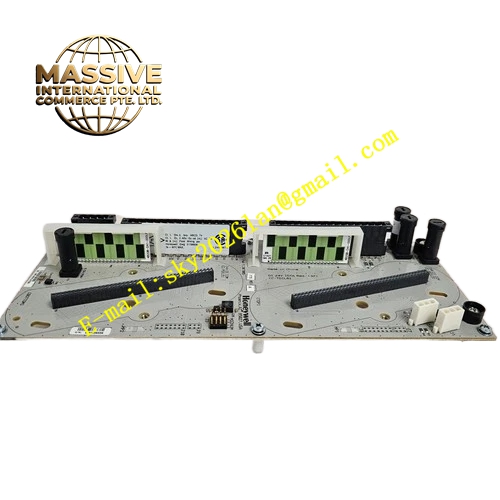
Description
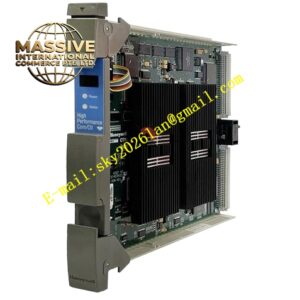
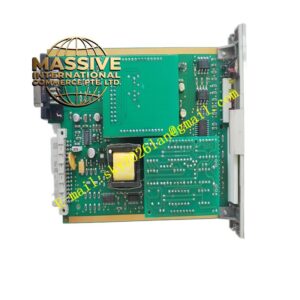
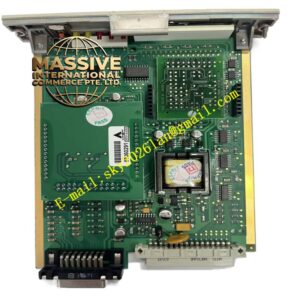
Honeywell CC-TDIL61
Technical Specifications
- Channel Quantity: 32 24VDC digital input channels
- Input Signal: 24VDC sinking / sourcing discrete input
- Rated Input Voltage: 18VDC to 30VDC
- Working Temperature: 0°C to +60°C
- Storage Temperature: -40°C to +85°C
- Relative Humidity: 5% to 90% RH non-condensing
- Isolation Voltage: 1500VAC between field circuit and logic side
- Power Consumption: 2.6 W maximum
- Mounting: CIOM-A rack base installation
- Certification: UL, C-UL, CE, ISA G3 coating
Functional Features Full redundant architecture supports dual module backup. If one digital input module fails, the backup module takes over signal acquisition without interruption. Each channel has independent LED status indicator. It supports per-channel open circuit diagnostic. It provides surge suppression circuit for each input channel. It supports hot swap of paired digital input modules. It supports wiring fault alarm upload to Experion PKS alarm system. It uses removable terminal blocks for convenient field wiring.
Application Scenarios Chemical plant safety interlock switch signal collection Boiler burner auxiliary equipment status feedback Oil and gas pipeline valve limit switch monitoring Power plant generator interlock discrete signal SIL rated safety interlock system input termination Experion PKS redundant I/O cabinet spare replacement
Performance Parameters
- Input Response Delay: less than 0.4ms
- Insulation Resistance: greater than 1000 MΩ
- Mean Time Between Failures: 750000 hours
- Surge Withstand: 2kV EMC surge
- Channel Crosstalk: less than 0.1%
Material Composition FR4 flame retardant PCB with conformal coating High speed optocoupler isolation array TVS transient suppression diodes Current sampling resistors ABS flame retardant terminal housing Per-channel LED indicators Metal rack fixing screws and elastic clips
Structural Features Rack base type IOTA structure, fixed on CIOM-A rack carrier. Front side is removable screw terminal block for field wiring. Rear side connector mates with primary and redundant digital input modules. Each channel has independent LED visible on front panel. Wiring channel is separated from internal logic circuit area. Anti-misalignment key prevents wrong module pairing.
Working Principle Field 24VDC discrete signal enters terminal block and passes through optocoupler isolation circuit. Optocoupler separates field high voltage circuit and internal control logic circuit. The signal is converted into digital logic level and sent to both primary and redundant digital input modules. The IOTA continuously monitors input voltage. When open circuit or abnormal voltage is detected, fault signal is sent to controller and LED indicator changes state.
Installation Requirements Mount the IOTA base on CIOM-A rack carrier and tighten fixing screws. Wire field 24VDC switch signal to corresponding terminal. Install primary and redundant digital input modules on IOTA. Configure redundant pair parameters in Experion Control Builder. Power on rack and verify each channel LED matches field switch status. Separate signal cable from high voltage cable.
Usage Notes Do not apply AC voltage to any input terminal. The input voltage must stay within 18VDC to 30VDC range. The redundant pair must use two identical digital input modules. Static protection must be taken during module replacement. Clean terminal block regularly to avoid oxidation and poor contact.