



Description
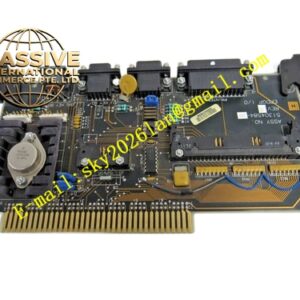
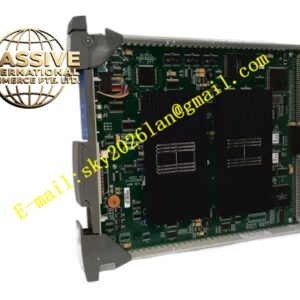
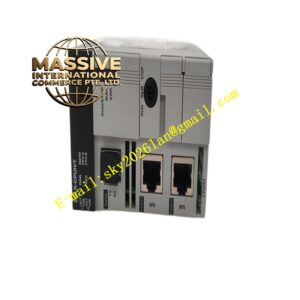
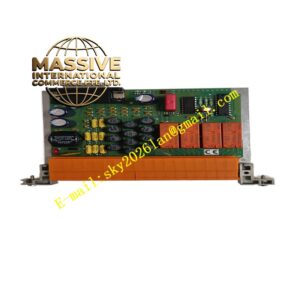
Honeywell K2LCN-2
Technical Specifications
- LCN Communication Speed: 5Mbps
- Interface: Dual LCN A / LCN B coaxial ports
- Power Supply: 24VDC external power supply
- Operating Ambient Temperature: 0°C to +60°C
- Storage Temperature: -40°C to +85°C
- Relative Humidity: 5% to 90% RH non-condensing
- Mounting Type: DIN rail or cabinet panel mounting
- Certification: UL, CE, RoHS
Functional Features It receives weak LCN signal from upstream network segment, reshapes signal waveform and amplifies signal amplitude for downstream segment. It provides electrical isolation between two LCN bus segments. It supports independent repeater processing for LCN A and LCN B redundant channels. It monitors signal loss and signal distortion on input ports. It carries LED indicators for LCN A active, LCN B active, power and fault status. It blocks short-circuit fault on one segment from spreading to the whole LCN network. It supports hot plug of LCN coaxial cables. It uploads repeater fault alarm to TDC3000 operator station through connected LCN node.
Application Scenarios Large petrochemical plant long-distance LCN network extension Multi-cabinet TDC3000 LCN network segmentation Refinery separated control building LCN interconnection Power plant TDC3000 LCN network isolation and expansion Chemical plant LCN network fault isolation node
Performance Parameters
- Signal Regeneration Delay: Less than 200ns
- Isolation Rating: 1500VAC between input and output LCN segments
- Mean Time Between Failures: 840000 hours
- ESD Immunity: 8kV contact discharge
- Supported Cable Type: 75Ω LCN dedicated coaxial cable
Material Composition Metal powder coated enclosure LCN signal reshaping FPGA chip Signal amplifier and isolation transformer assembly Surge protection circuit for coaxial ports Internal power regulation circuit Front panel with LED indicators and coaxial connectors DIN rail mounting bracket
Structural Features Compact metal enclosure with front panel signal ports and status indicators. Internal layout separates LCN A circuit and LCN B circuit to avoid crosstalk. Each channel has independent signal regeneration and isolation circuit. Enclosure provides electromagnetic shielding for internal circuit. DIN rail bracket allows quick installation inside control cabinet. Strain relief structure protects coaxial connectors.
Working Principle LCN signal enters repeater input port, passes through isolation circuit and signal sampling circuit. FPGA chip recovers digital clock from analog LCN waveform, reshapes distorted signal and drives output amplifier circuit. Regenerated signal is sent to downstream LCN segment through output coaxial port. If input signal loss or bus short-circuit is detected, the corresponding channel stops signal forwarding and triggers fault indicator. Isolation barrier stops fault current from crossing between two network segments.
Installation Requirements Mount module on DIN rail inside control cabinet. Connect 24VDC power supply and complete protective earth connection. Connect upstream LCN coaxial cable to input port and downstream cable to output port. Confirm 75Ω terminator installation at the end of each LCN segment. Power on module and verify LCN A and LCN B active LED steady on. Test network communication of all nodes on both segments. Verify fault isolation function by short-circuit test on one segment.
Usage Notes Do not cascade excessive K2LCN-2 repeaters beyond LCN network design limit. Only use 75Ω LCN certified coaxial cable. Do not connect non-LCN signal sources to module ports. Keep enclosure ventilation unobstructed. Replace module when signal regeneration function fails.