



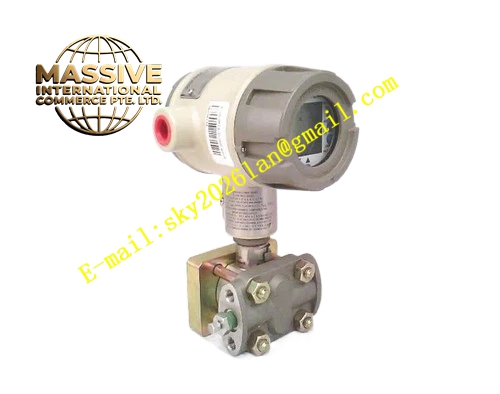
Description
Honeywell S3KO1SS
Technical Specifications Catalytic bead sensing technology; Detects flammable hydrocarbon gas; Operating voltage supplied by XNX transmitter; Operating temperature range -40°C to +70°C; Explosion-proof and intrinsically safe certification; Stainless steel wetted component; Gas response time meets industrial fixed gas detector standard.
Functional Features Real-time flammable gas concentration measurement; Built-in temperature compensation circuit reduces temperature drift; Self diagnostic function detects sensor fault or poisoning; Modular plug-in design for fast replacement; Anti-poisoning filter protects sensing bead from silicone and lead vapor interference; Compatible with XNX transmitter local and remote mounting configuration.
Application Scenarios Oil and gas offshore platform gas detection; Refinery flammable gas monitoring; Chemical plant hydrocarbon leak detection; Natural gas compressor station; LNG storage tank area; Coal chemical plant hazardous gas monitoring.
Performance Parameters Gas concentration measurement linearity stable; Sensor response speed fast; Zero point drift maintains within specification over operation life; Poisoning fault diagnosis response reliable; Repeatability of gas measurement consistent.
Material Composition 316 stainless steel sensing housing; Ceramic substrate for catalytic bead; Platinum wire sensing element; Metal sintered flame arrestor; Activated carbon anti-poison filter; Plastic sealing gasket; Metal electrical contact pins.
Structural Features Cylindrical compact sensor body; Sintered metal flame arrestor at gas inlet end; Internal catalytic bead mounted on ceramic base; Spring loaded contact pins for plug-in connection; External threaded interface for mounting into XNX transmitter or remote sensor housing.
Working Principle Gas molecules pass through sintered flame arrestor and anti-poison filter and reach catalytic bead element. Combustible gas burns on heated catalytic bead and generates temperature change. Temperature difference between active bead and reference bead creates resistance variation. Internal circuit converts resistance variation into electrical signal proportional to flammable gas concentration. XNX transmitter receives this signal and calculates gas concentration value.
Installation Requirements Align sensor pins with XNX transmitter socket and insert fully; Ensure sealing gasket is intact during assembly; Install sensor at height matching target gas density; Keep gas inlet surface free from dust and liquid splash; Verify hazardous area certification matches site classification.
Precautions for Use Calibrate sensor with standard gas before commissioning; Avoid exposing sensor to high concentration silicone vapor, lead or halogen compounds; Prevent liquid ingress into gas inlet sinter; Replace sensor once service life expires; Do not apply excessive torque during installation.