


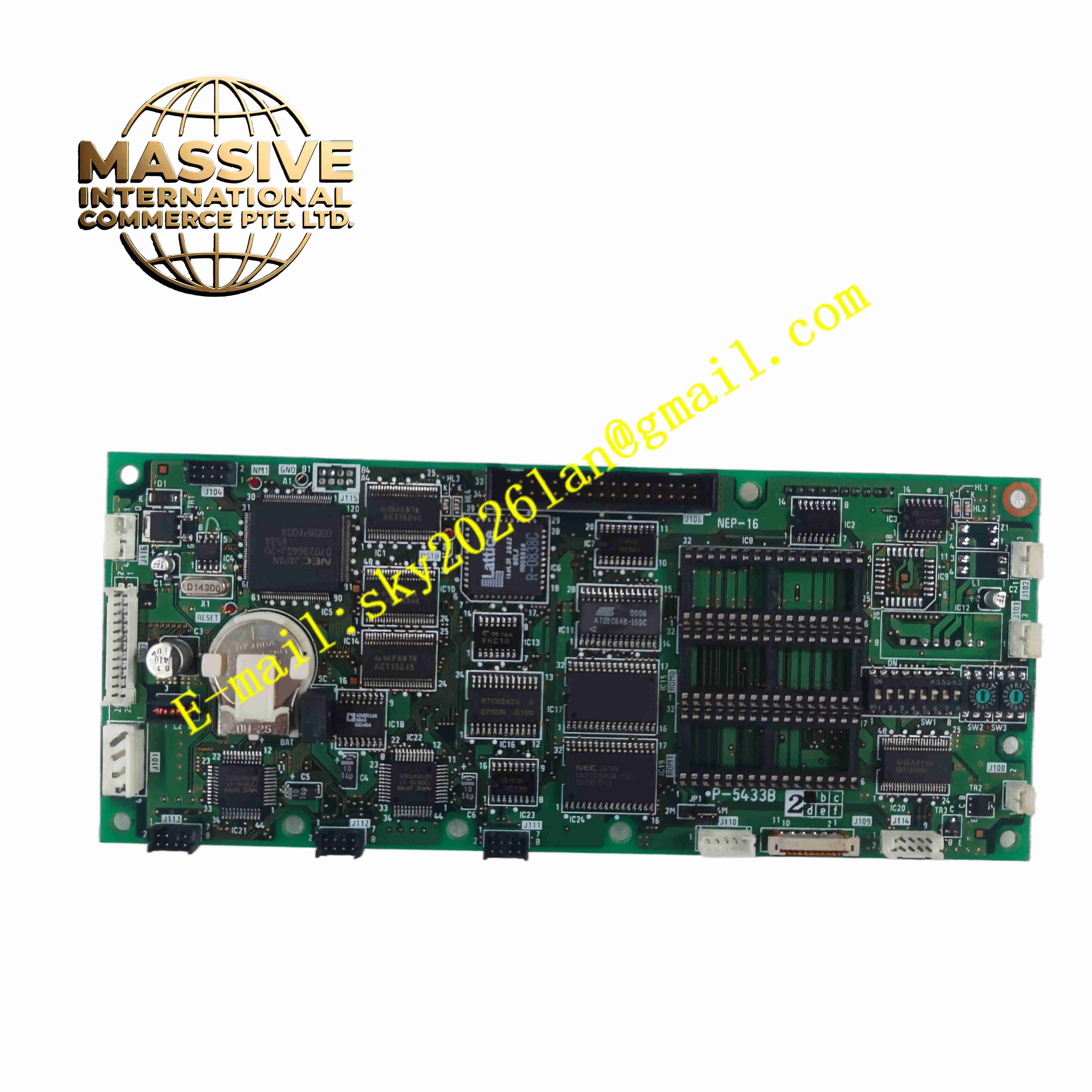
Description
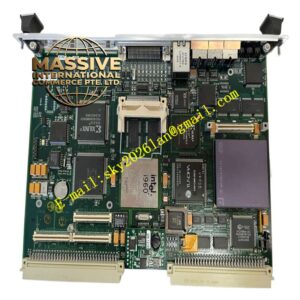
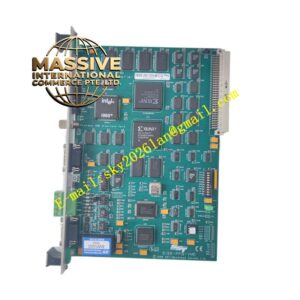
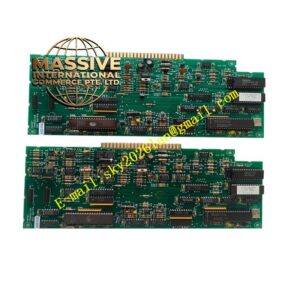
Ishida P-5433B
Technical Specifications: Product type: Checkweigher main control PCB board Sensor interface: Load cell analog signal input I/O interface: Digital input and output for reject actuator and proximity sensors Communication interface: Serial communication port for HMI and peripheral board Power supply: 24V DC control power supply Operating temperature range: 5℃ ~ +45℃ Storage temperature range: -20℃ ~ +70℃ Relative humidity: 5% to 90%, non-condensing Form factor: Flat rectangular PCB board with mounting holes Protection grade: IP20 when installed inside equipment electrical cabinet
Functional Features: High precision analog signal acquisition from weighing load cell sensor. Real-time weight calculation and product weight classification judgment. Configurable product recipe storage for different packaging product specifications. Control reject actuator for removing over-weight and under-weight products. Count qualified product, rejected product and total production quantity. Communicate with touch screen HMI to display weight value, production data and alarm message. Digital input read for conveyor photo sensor and product presence signal. Built-in fault diagnosis for load cell, I/O circuit and communication abnormality.
Application Scenarios: Food packaging automatic checkweigher, pharmaceutical sachet weight inspection, snack bag online weighing, bottled product weight checking, packaged seafood weight sorting, cosmetic tube weight inspection machine.
Performance Parameters: Fast weight sampling and calculation to match high speed conveyor product flow. Stable weight measurement under continuous 24-hour production operation. Recipe data retained after power loss by non-volatile memory. Fast response to trigger reject actuator for unqualified product. High noise suppression for load cell weak analog signal in workshop environment.
Material Composition: PCB substrate: Multi-layer FR4 glass fiber epoxy printed circuit board. Core components: High precision ADC chip, main microcontroller, non-volatile memory, signal amplifier, optocoupler I/O isolation chip. Connector: PA66 flame retardant plastic connectors with gold plated copper pins. Passive components: Industrial grade precision resistors and low drift capacitors for weighing signal circuit.
Structural Features: Flat rectangular PCB with multiple mounting holes for cabinet fixed installation. Connector sockets arranged on board edge for load cell, I/O, HMI and power wiring. Internal circuit layout separated into load cell analog signal area, microcontroller logic area and isolated digital I/O area. Optocoupler isolation between field digital I/O and main controller circuit. Ground plane design to reduce noise interference on weak weighing signal.
Working Principle: 24V DC power supplies the control board. Weak millivolt analog weight signal from load cell enters board through sensor connector. Instrument amplifier amplifies signal and ADC converts analog signal to digital weight data. Main microcontroller compares measured weight with upper and lower limit threshold of selected product recipe. If weight exceeds limit, controller outputs digital signal to trigger reject actuator. Photoelectric sensor signal detects product presence and conveyor speed synchronization. All production count, recipe parameters and fault records are saved to non-volatile memory. Weight data and alarm information are transmitted to touch screen HMI via serial communication.
Installation Requirements: Cut off equipment 24V DC control power before installing P-5433B board. Fix board onto electrical cabinet mounting base with specified screws. Connect load cell cable, digital sensor wiring, reject actuator cable and HMI communication cable to board connectors. Create and calibrate product weight recipe on HMI after power on. Ensure equipment cabinet protective earth ground connection is reliable. Route load cell shielded cable separately from motor power cables. Reserve space around board for heat dissipation and maintenance access.
Usage Notes: Backup all product recipes before board replacement. Use shielded twisted pair cable for load cell signal wiring. Wear anti-static wristband when handling PCB board. Do not apply overvoltage to load cell input terminals. Regularly inspect connector tightness and cable insulation condition. Do not operate board outside rated temperature and humidity range. Prevent food powder, dust and cleaning liquid entering electrical cabinet and board surface.