


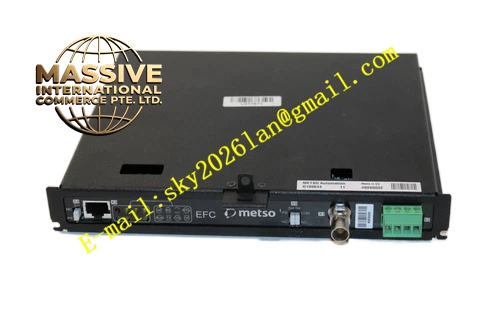
Description
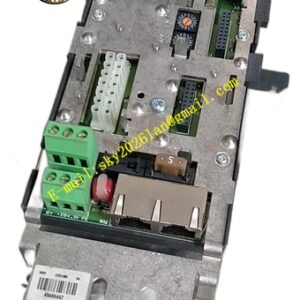
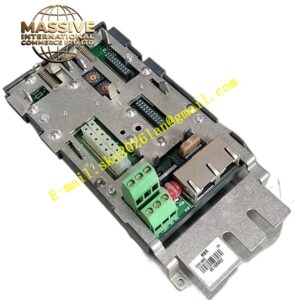
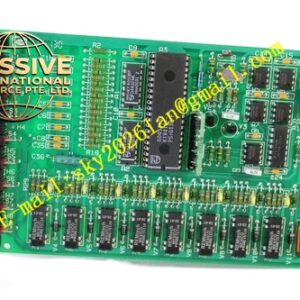
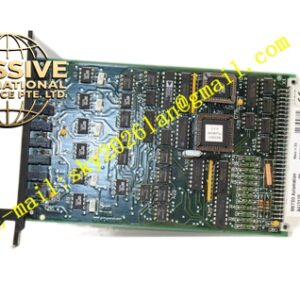
METSO D100644
Technical Specifications:
- Brand: METSO
- Model: D100644
- Product Type: Bus Signal Converter
- Series: Control System
- Supported Protocols: CAN, LIN, MOST, Ethernet, and others
- Operating Voltage: 24VDC
- Operating Temperature: -20°C to 60°C
- Relative Humidity: 5% to 95%, non-condensing
- Protection Rating: IP20
- Mounting Method: DIN rail mounting
Functional Features:
- High Performance: Advanced technology and circuit design ensure accurate and reliable conversion
- Universal Compatibility: Supports multiple bus protocols and signal formats to meet diverse user needs
- Ease of Use: Simple setup and connection procedures complete signal conversion tasks
- High Reliability: High-quality materials and strict manufacturing processes ensure long-term stable operation
- Multi-Protocol Support: Compatible with CAN, LIN, MOST, Ethernet, and other communication standards
- Signal Extension: Expands communication range and device compatibility across systems
Application Scenarios:
- Automotive industry automation systems
- Aerospace control systems
- Energy sector monitoring and control
- Medical equipment automation
- Industrial process control systems
- Manufacturing production lines
- Building automation systems
- Transportation control systems
Performance Parameters:
- Conversion Accuracy: High-precision signal conversion
- Response Time: Fast signal processing
- Protocol Compatibility: Multiple bus protocol support
- Operating Temperature: -20°C to 60°C
- Mean Time Between Failures: Industrial-grade reliability
- Communication Rate: Standard industrial communication rates
Material Composition:
- Industrial-grade printed circuit board
- High-performance signal processing chips
- Precision electronic components
- Flame-retardant engineering plastic housing
- Gold-plated connection terminals
- Triple-proof protective coating
Structural Features:
- Compact modular design
- Front and rear wiring terminal design
- Multi-color LED status indicators
- Heat dissipation vent design
- DIN rail mounting clips
- Module identification labels
- Protective housing
Working Principle:
The D100644 bus signal converter receives input signals from one bus system or device, processes these signals through its internal conversion circuitry, and outputs them in a format compatible with the target bus system or device. This conversion process enables seamless communication between different protocol systems, extending the interoperability of industrial automation networks. The device continuously monitors signal integrity and maintains stable conversion performance under varying operating conditions.
Installation Requirements:
- Install on standard DIN rail
- Ensure adequate ventilation in control cabinet
- Follow wiring specifications for signal and power connections
- Implement proper signal shielding and grounding
- Maintain appropriate spacing between modules for heat dissipation
- Avoid installation near strong electromagnetic interference sources
- Ensure ambient temperature remains within specified operating range
Usage Precautions:
- Installation and commissioning should be performed by qualified technical personnel
- Strictly follow wiring diagrams during installation
- Regularly inspect converter operating status
- Keep converter surface clean
- Avoid use in excessively humid or corrosive environments
- Record and address faults promptly when detected
- Verify protocol compatibility before deployment
- Maintain system parameter backups