



Description
Metso ND9103HX
Technical Specifications: Model: ND9103HX Input control signal: 4-20mA analog signal, HART digital communication Supply air pressure: 1.4 bar ~ 8 bar Valve actuator type: Rotary and linear pneumatic actuators Communication protocol: HART 7 protocol Operating temperature range: -40℃ ~ +80℃ Storage temperature range: -40℃ ~ +85℃ Protection grade: IP66 Housing material: Aluminum alloy Mounting standard: NAMUR standard mounting interface
Functional Features: Precise stroke positioning control for pneumatic control valve actuators. Automatic calibration function for valve stroke and actuator characteristic. HART digital communication for remote parameter setup, diagnosis and data reading. Built-in comprehensive valve diagnostic function to detect valve friction, seat wear and actuator abnormality. Local LCD display to show valve position, signal value and fault code on site. Multi-level explosion-proof certification for installation in flammable and explosive hazardous areas. Self-diagnosis function for supply air pressure, input signal and internal hardware fault. Retain configuration parameters in non-volatile memory after power loss.
Application Scenarios: Petrochemical refining process control, natural gas processing plant, chemical production plant, power plant process control, oil pipeline control, pulp and paper mill, pharmaceutical batch production control, hazardous area control valve positioning.
Performance Parameters: High positioning accuracy for full valve stroke range. Fast response to change of 4-20mA control signal. Valve diagnostic function captures gradual degradation of valve and actuator performance. Continuous operation: Long-term stable operation in outdoor and hazardous field environment. HART communication supports bidirectional digital data exchange with asset management system.
Material Composition: Main housing: Cast aluminum alloy with anti-corrosion coating. Internal circuit board: FR4 multi-layer printed circuit board with conformal coating. Pneumatic components: Stainless steel and engineering plastic pneumatic valve components. Display window: Transparent impact resistant polycarbonate plastic. Terminal block: PA66 flame retardant plastic with nickel plated copper terminals. Sealing parts: Fluorosilicone rubber sealing gaskets for explosion-proof and dustproof sealing.
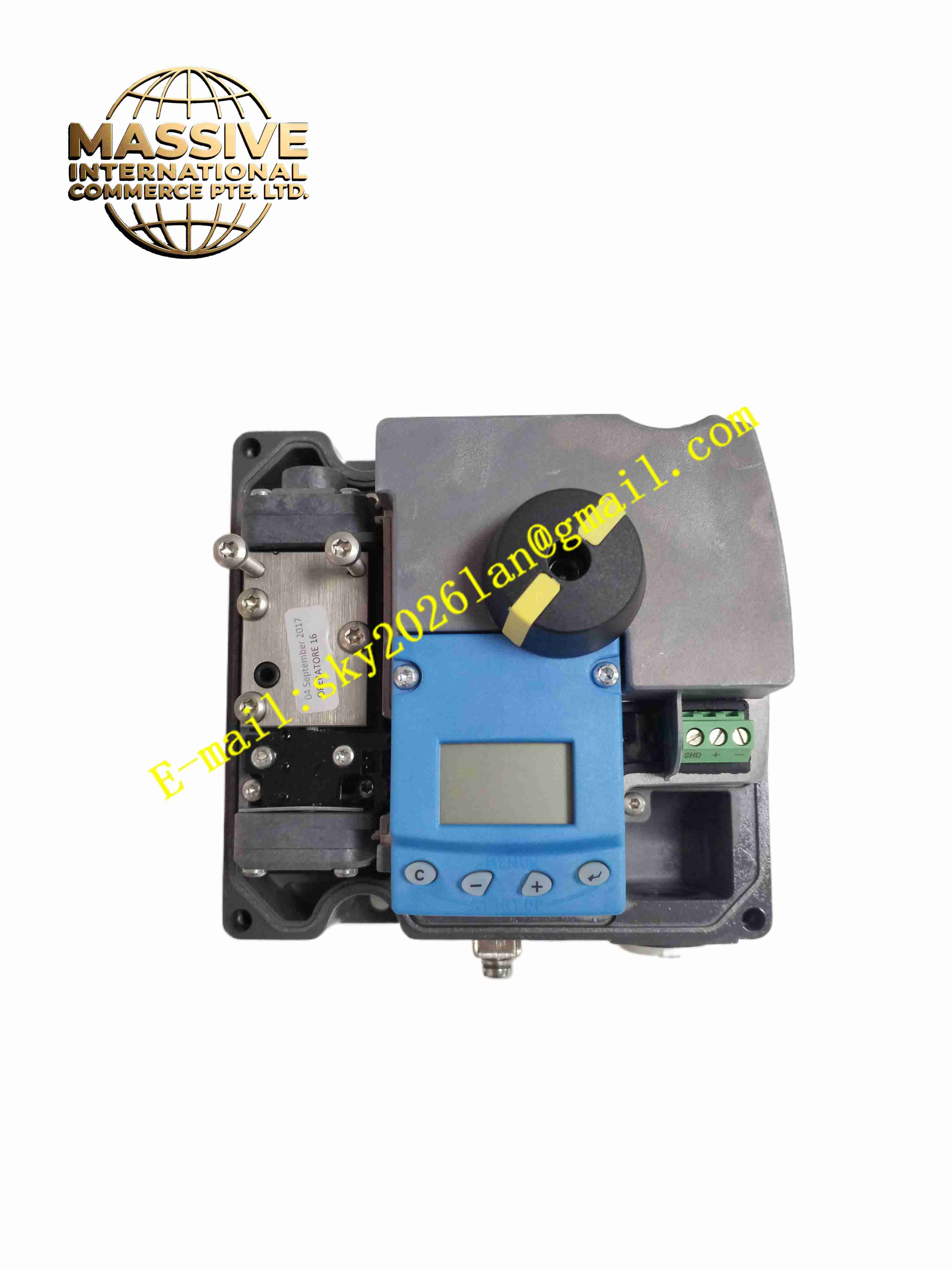
Structural Features: Split field mounted explosion-proof housing structure with two compartment chambers for electric and pneumatic parts. NAMUR standard mounting interface to directly install on top of valve actuator. Front side equipped with LCD display window and local operation push buttons. Pneumatic air inlet and outlet ports on side of housing. Internal structure separated into electronic control chamber and pneumatic relay chamber. External anti-corrosion coating to resist chemical vapor and outdoor weather corrosion.
Working Principle: 4-20mA control signal from DCS system enters the positioner electronic chamber. Electronic circuit compares received setpoint signal with actual valve stroke feedback signal measured by built-in position sensor. The control algorithm calculates pneumatic output pressure command and drives internal I/P converter and pneumatic relay to adjust air pressure sent to pneumatic actuator. The actuator moves valve stem, built-in position sensor feeds back real stroke value continuously to form closed-loop positioning control. HART modem circuit superimposes digital HART signal onto 4-20mA loop for remote configuration and valve diagnostic data upload.
Installation Requirements: Mount ND9103HX on pneumatic actuator following NAMUR standard mounting dimension. Connect instrument air supply pipe to positioner air inlet port, install air filter regulator upstream. Wire 4-20mA HART signal cable into explosion-proof terminal chamber and tighten cable gland. Complete automatic stroke calibration after air supply and signal wiring are finished. Install in proper orientation, avoid direct heavy water jet impact on housing. Guarantee reliable equipotential bonding and grounding for field instrument loop.
Usage Notes: Cut off instrument air supply and control signal before opening explosion-proof housing cover in hazardous area. Do not open housing cover in explosive gas environment. Use dry, clean and oil-free instrument compressed air as air supply. Backup valve configuration and calibration data before positioner replacement. Regularly inspect air filter element and drain condensed water in air supply pipeline. Check housing sealing gasket and cable gland tightness periodically. Avoid overpressure of instrument air supply exceeding rated maximum pressure.