


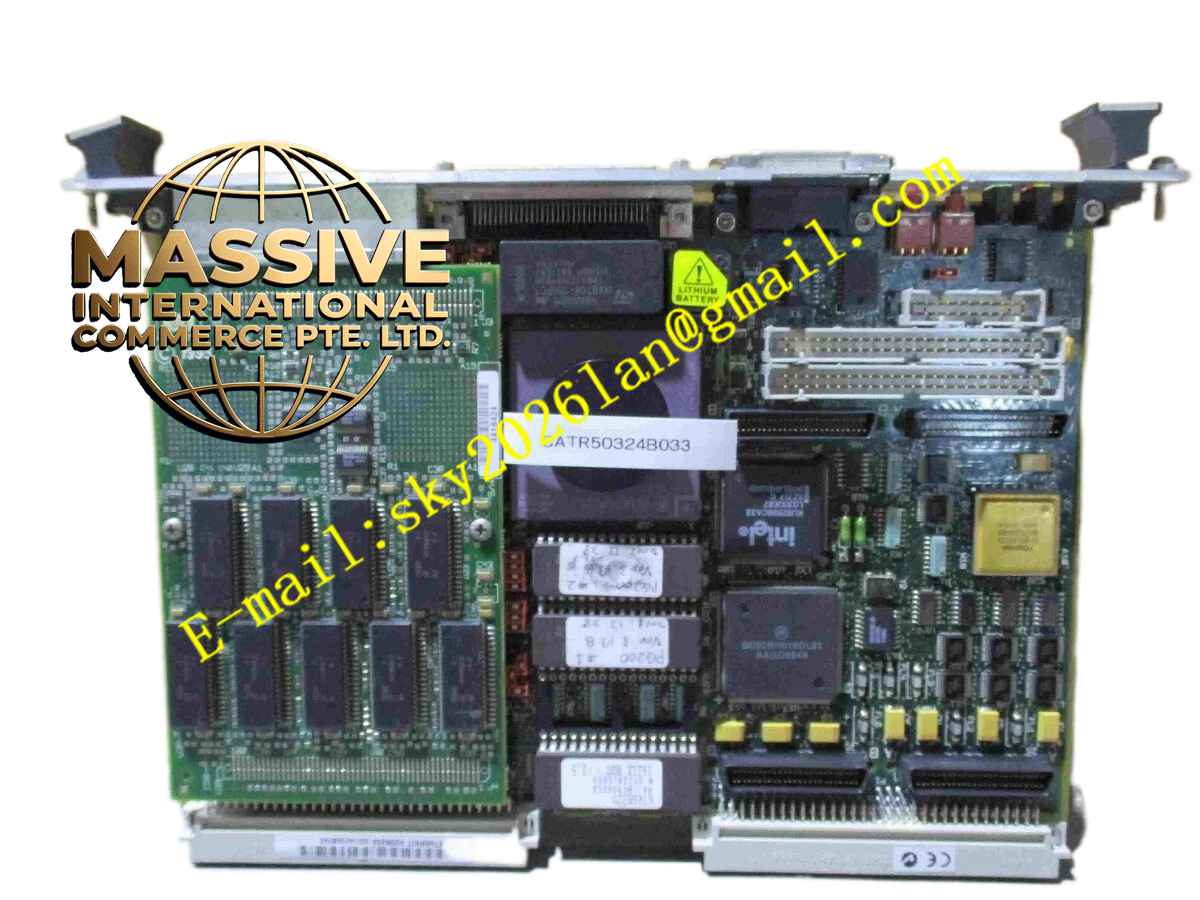
Description
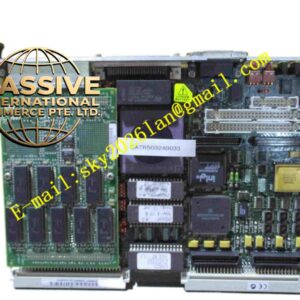
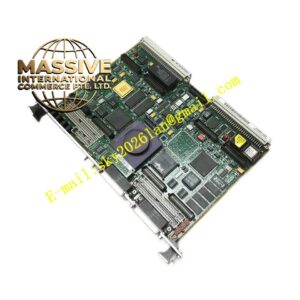
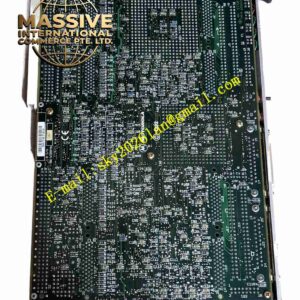
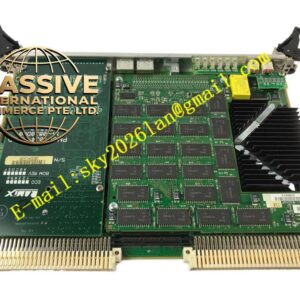
Motorola DB1-1 DB1-FALCON
Technical Specifications:
- Brand: Motorola
- Model: DB1-1 / DB1-FALCON
- Product Type: Industrial Controller Module
- System Compatibility: Compatible with Motorola-related control systems
Functional Features:
- High Stability: Maintains smooth control output even during grid fluctuations or sudden load changes.
- Rich Timers: Equipped with multiple 32-bit timers and a watchdog to ensure precise time measurement and event triggering.
- Real-Time Diagnostics: Continuously monitors system health for rapid fault localization.
Application Scenarios:
Primarily used in steam turbine control for power plants, industrial gas turbines, diesel generator sets, and speed governing and protection systems for large compressors.
Performance Parameters:
- Control Bandwidth: Wide-band response adapting to rapidly changing loads.
- Steady-State Accuracy: Extremely high, meeting precision process or grid-tie requirements.
- Response Time: Extremely short to ensure dynamic stability.
Material Composition:
Internally constructed with high-quality electronic components and externally housed in a rugged protective enclosure.
Structural Characteristics:
Standard industrial module dimensions with clearly defined interfaces and anti-misinsertion design.
Working Principle:
Based on PID or advanced control theory, it performs closed-loop regulation of parameters such as speed, load, and temperature to ensure equipment always operates in optimal condition.
Installation Requirements:
Strictly follow the wiring diagram during construction, ensuring the control cabinet is clean and dry. The grounding system must be highly reliable.
Usage Precautions:
Carefully inspect all wiring before powering up. Never alter critical parameters during operation. Conduct regular preventive maintenance and calibration.