


Description
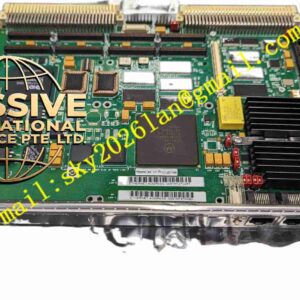
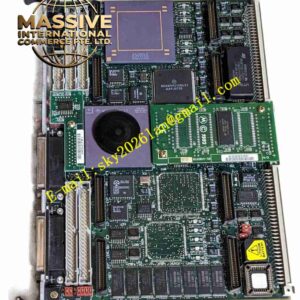
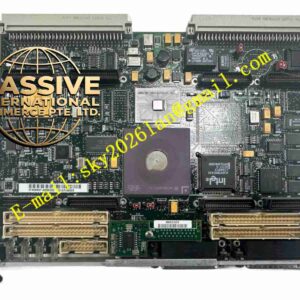
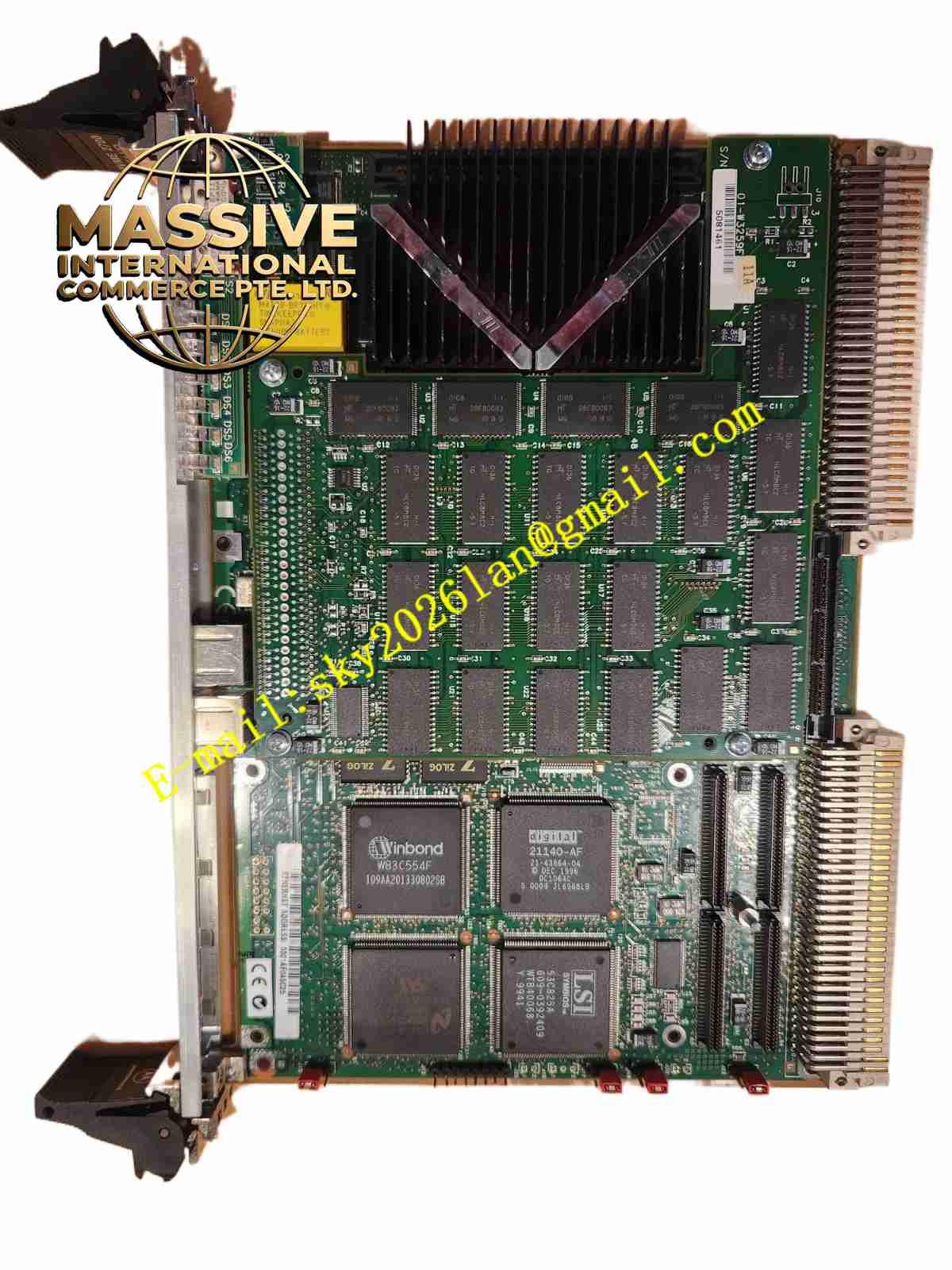
Motorola MVME2700-1221
Technical Specifications
- Microprocessor: PowerPC MPC750 processor at a specific clock speed based on the 1221 configuration.
- Memory: Configurable ECC DRAM via the RAM200 module.
- Storage: 1MB of 16-bit Flash memory on the base board.
- Power Requirements: Standard VME power rails (+5Vdc, +12Vdc, -12Vdc) with strict tolerance levels.
Functional Features
- Custom Configuration: Tailored memory and processor speed for specific application requirements.
- VMEbus Compliance: Full support for VMEbus system controller functions and block transfers.
- Real-Time Capabilities: Features programmable timers, interval counters, and a hardware watchdog for precise real-time task management.
Application Scenarios
- OEM Equipment: Custom industrial machinery and embedded systems.
- Legacy Replacement: Direct upgrade path for older MVME167/172 systems.
- Data Acquisition: Multi-channel sensor data collection and processing.
Performance Parameters
- Operating Temperature: 0°C to 55°C with forced-air cooling.
- Storage Temperature: -40°C to +85°C.
- Humidity: 5% to 90% non-condensing.
Material Composition
Industrial-grade electronic components on UL-recognized PCB with battery-backed NVRAM module.
Structural Characteristics
- Form Factor: Double-high 6U VMEbus.
- Dimensions: Standard VME 6U mechanical footprint.
Working Principle
Executes instructions via PowerPC processor with memory management handled by advanced ASICs and VMEbus interfacing via dedicated bridge controllers.
Installation Requirements
- Requires standard 6U VME chassis with adequate cooling.
- Proper grounding to backplane is essential for signal integrity.
Usage Precautions
- Observe ESD precautions during handling.
- Verify configuration matches application requirements before deployment.
- Ensure adequate airflow across the board surface.