


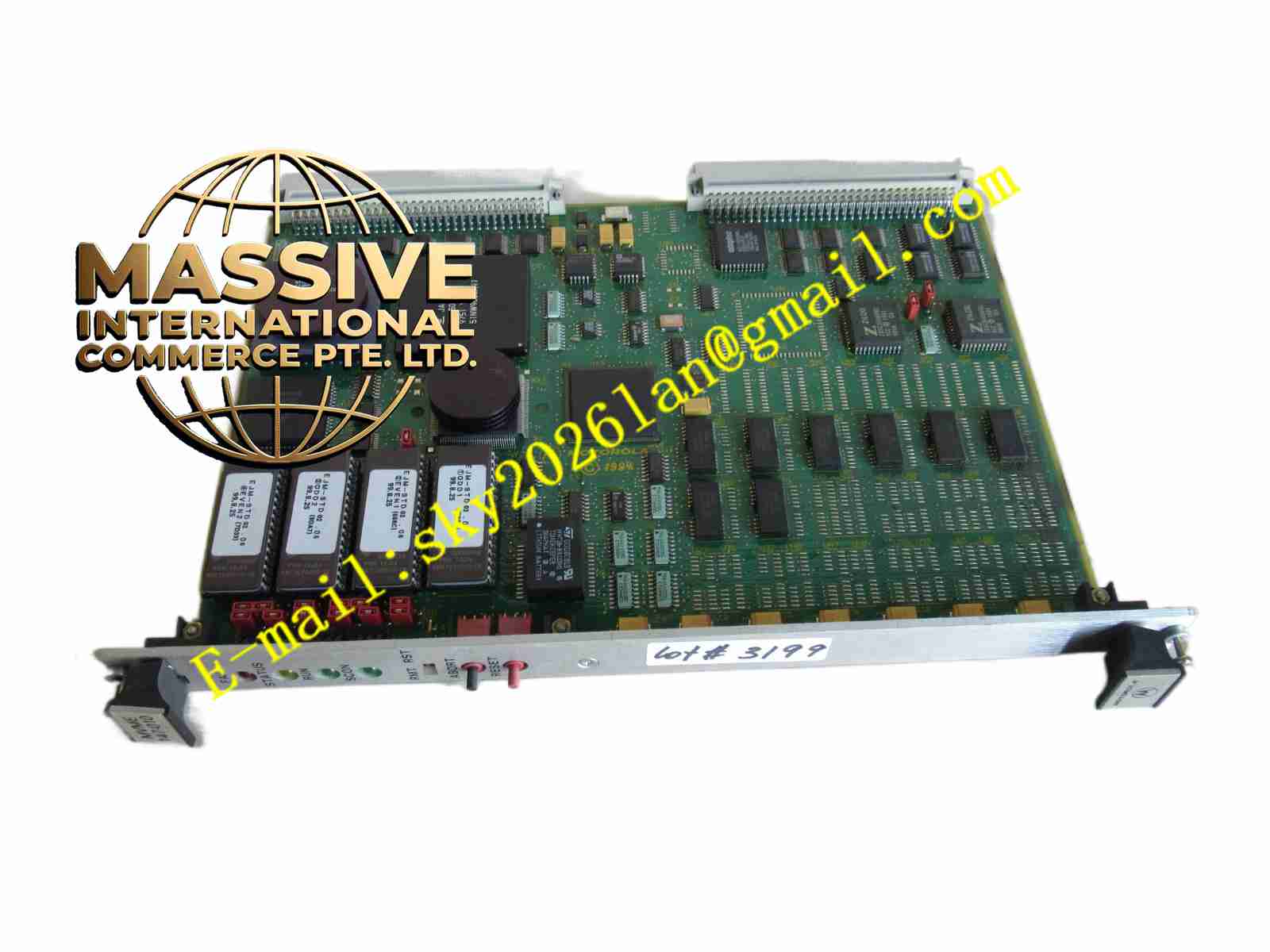
Description
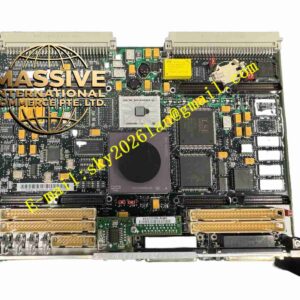
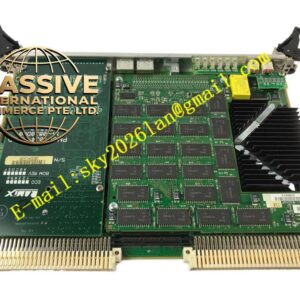
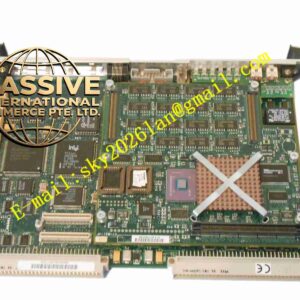
Motorola MVME330-1
Technical Specifications
- Processor Architecture: High-performance Motorola RISC/CISC processor.
- Memory Capacity: Factory-standard DRAM capacity with field-upgrade support.
- Flash Configuration: Onboard Flash ROM for storing system firmware and boot programs.
- Communication Interfaces: Integrates multi-channel serial interfaces and high-speed network interfaces.
Functional Features
- Flexible I/O Mapping: Supports configuration of I/O base addresses and interrupt levels via jumpers or software.
- Watchdog Timer: Hardware-level watchdog mechanism automatically resets the system during deadlocks, ensuring reliability in unattended environments.
- Diagnostic Tools: Built-in low-level firmware diagnostic programs facilitate rapid hardware fault localization.
Application Scenarios
- Semiconductor Manufacturing: Real-time control of wafer transport and process chambers.
- Energy Management: Monitoring nodes for wind power and solar arrays.
- Building Automation: Centralized HVAC control for large commercial facilities.
Performance Parameters
- Interrupt Handling: Supports the complete VME Interrupt Request (IRQ) priority chain.
- Power Consumption Metrics: Optimized power management design reduces current draw on the +5V and ±12V rails.
Material Composition
Manufactured with RoHS-compliant industrial-grade electronic components using surface-mount technology, with optional conformal coating on certain versions.
Structural Characteristics
- Dimensions: Standard VME module size, with depth optimized for various standard chassis.
- Connectors: High-density backplane connectors and standard industrial front-panel interfaces.
Working Principle
Upon system power-up, the firmware executes a Power-On Self-Test (POST), initializing memory and peripherals. The operating system is then loaded, allowing the processor to respond to external requests via the VME interface and drive I/O devices through the local bus.
Installation Requirements
- Ensure the VME backplane provides the correct power supply voltage for this module.
- Verify accurate pin definitions when installing transition modules or front-panel cables.
Usage Precautions
- Avoid unshielded operation in environments with strong Electromagnetic Interference (EMI).
- Never cut power during firmware upgrades to prevent system boot failure.