


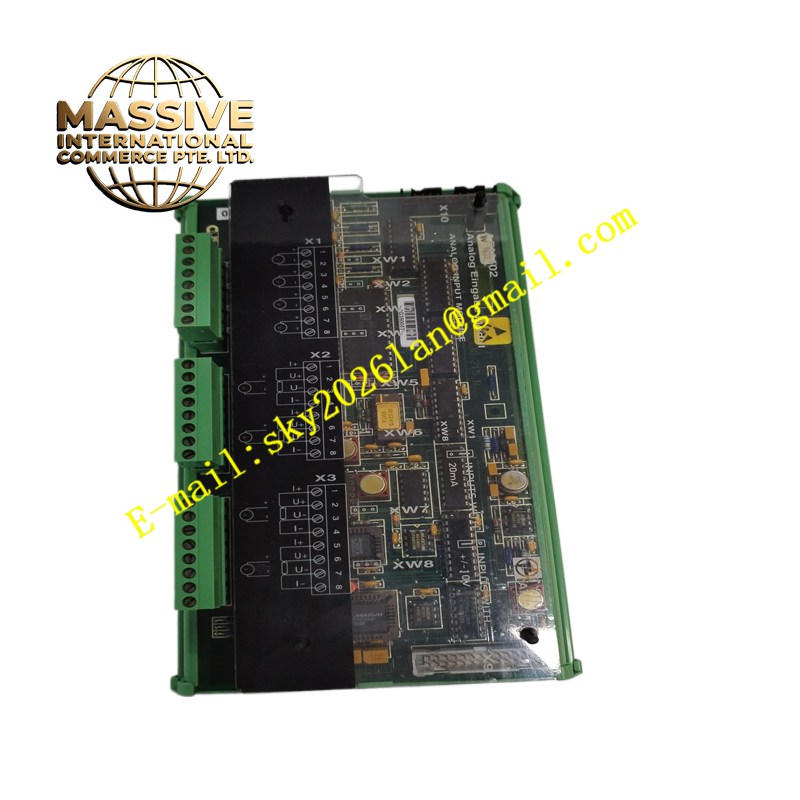

Description
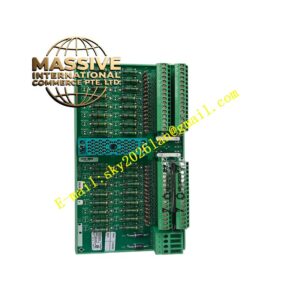
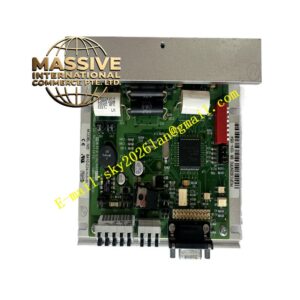
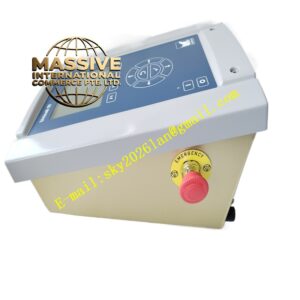
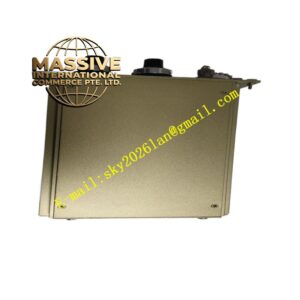
SAM ELECTRONICS AEM402
Technical Specifications Multi-channel analog input design; supports 4-20mA current input and Pt100 RTD temperature sensor input; measurement accuracy ±0.2% full scale; galvanic isolation between field channels and system bus; operating temperature range -25°C to +70°C; marine environmental qualification for vibration, shock and salt fog; communication interface for ship automation fieldbus; supply voltage 24V DC.
Functional Features Collects temperature, pressure and level signals from shipboard transmitters and RTD sensors. Converts analog sensor signals into digital engineering values such as Celsius temperature and pressure units. Detects sensor wire break, short circuit and signal out-of-range faults and sends alarm messages to the ship alarm system. Supports channel scaling and unit configuration via system engineering software. Transmits measured values and fault status to the main ship automation controller over the fieldbus.
Application Scenarios Ship engine room machinery monitoring, cargo oil tank level and temperature measurement, ballast tank monitoring, auxiliary boiler and cooling water system supervision, marine emergency generator parameter collection.
Performance Parameters Stable measurement under vessel vibration and shock conditions; high resistance to salt fog and humid marine atmosphere; low measurement drift under cabin temperature fluctuation; reliable fault detection for ship sensor wiring.
Material Composition Main printed circuit board uses marine-grade FR-4 multilayer flame-retardant substrate; analog conversion chips are wide-temperature industrial semiconductors; isolation components adopt optocoupler isolation amplifiers; module housing is corrosion-resistant coated aluminum alloy; terminal contact pieces are gold-plated corrosion-resistant copper alloy.
Structural Characteristics Rack plug-in module form factor for marine control cabinets. Front panel carries power, bus communication and channel fault LED indicators. Rear connector mates with the rack backplane for power and fieldbus communication. Front terminal blocks accept sensor wiring from ship field instruments. Mechanical locking latches secure the module against vessel vibration and shock.
Working Principle Analog 4-20mA or RTD resistance signals from ship sensors enter the signal conditioning and isolation circuits of the module. High-resolution analog-to-digital converters convert conditioned signals into digital raw values. The onboard microcontroller applies configured scaling parameters to calculate engineering measurement values. The module packages measurement data and fault status and transmits the data frames to the main ship automation system over the fieldbus.
Installation Requirements Install the module inside climate-controlled marine instrument cabinets away from direct engine heat. Use marine-certified shielded cables for sensor wiring and single-point shield grounding. Set measurement type, scaling range and alarm thresholds in SAM Electronics ship automation engineering software. Perform sensor loop calibration after installation and commissioning.
Precautions for Use Use only marine-qualified cables and glands in hazardous compartments on tankers. Inspect terminal block tightness during vessel drydock maintenance. Avoid mounting the module close to large motors and frequency converters. Test sensor fault alarm functions during regular ship system testing.