


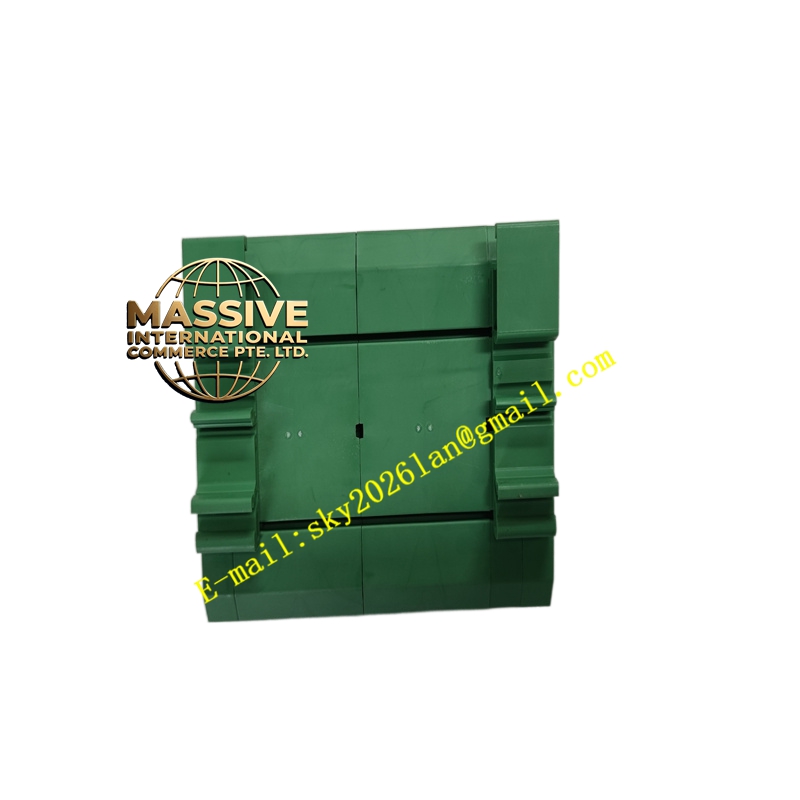
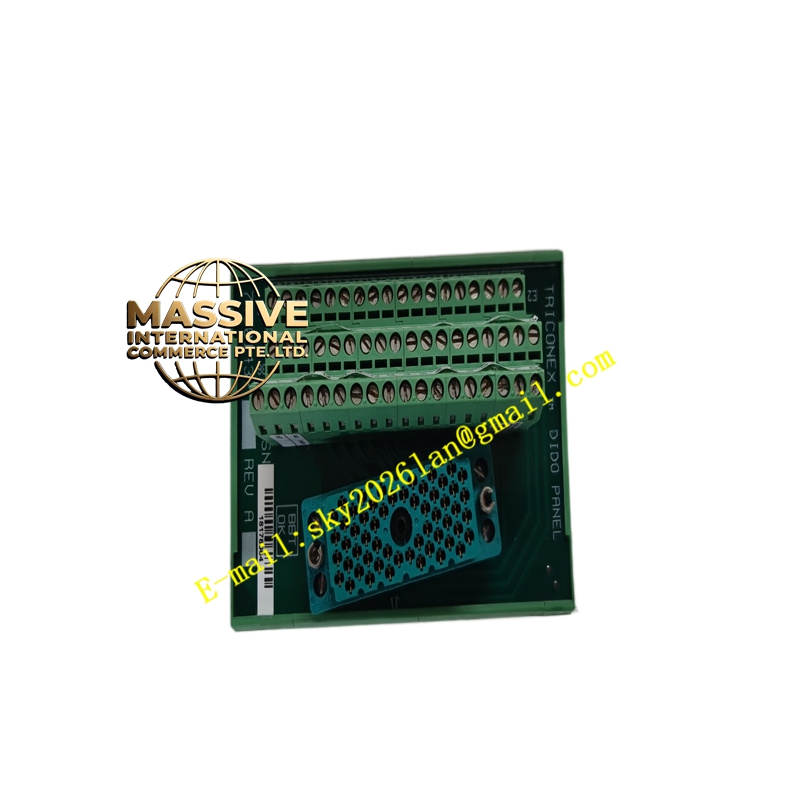
Description
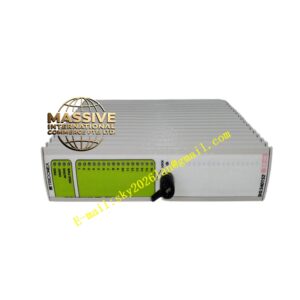
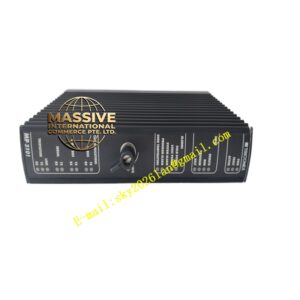
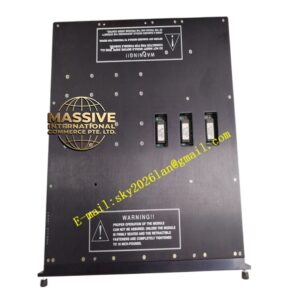
Triconex 9753-1XX Technical Specifications:
- System Compatibility: Fully compatible with Triconex safety control system architecture.
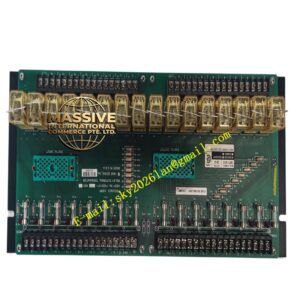
- Module Type: Terminal / Consolidation Module.
- Electrical Ratings: Supports standard industrial voltages, typically operating at 220 V with a 50 kHz output frequency.
- Connection Type: High-quality, industrial-grade screw terminals and high-density connectors.
- Environmental Tolerance: Designed to withstand harsh industrial conditions, including extreme temperatures, high humidity, and electromagnetic interference.
Functional Features:
- Signal Consolidation: Provides a centralized, safe, and highly reliable connection point for various system components and field devices.
- Wiring Facilitation: Streamlines the installation process with a user-friendly design that simplifies routing, labeling, and maintenance of field cables.
- System Integration: Ensures seamless compatibility with the Triconex ecosystem, guaranteeing proper communication between I/O cards and field instruments.
- Diagnostic Support: Works in tandem with the system’s diagnostic capabilities to help identify open circuits, short circuits, or wiring faults.
Application Scenarios:
- Safety Instrumented Systems (SIS) in critical process industries.
- Oil and gas extraction, refining, and petrochemical processing facilities.
- Power generation plants and heavy manufacturing environments.
- Any application requiring high-integrity signal routing for safety-critical control.
Performance Parameters:
- Signal Integrity: Maintains high-fidelity signal transmission with minimal degradation or noise interference.
- Reliability: Engineered for continuous, uninterrupted operation with a high Mean Time Between Failures (MTBF).
- Current/Voltage Handling: Capable of handling standard industrial control currents and voltages without thermal degradation.
Material Composition & Structural Characteristics:
- Housing: Constructed from high-grade, flame-retardant industrial thermoplastics to provide excellent electrical insulation and mechanical protection.
- Conductors: Utilizes high-conductivity, corrosion-resistant metals (such as tin-plated copper alloys) for terminal contacts to ensure low-resistance connections over time.
- Mechanical Design: Features a compact, modular form factor with integrated locking mechanisms to prevent accidental disconnection during maintenance or vibration events.
Working Principle: The 9753-1XX acts as a passive but highly engineered electrical interface. Field wires from sensors and actuators are terminated at the module’s rear or front terminals. The internal PCB traces route these signals to standardized connectors that mate directly with the Triconex I/O modules. This consolidation reduces the complexity of backplane wiring and provides a secure, vibration-resistant interface for digital and analog safety signals.
Installation Requirements:
- Mounting: Securely mount the module on standard DIN rails or designated Triconex chassis panels.
- Wiring Practices: Use appropriately sized, shielded twisted-pair cables for analog signals to prevent electromagnetic interference.
- Torque Specifications: Apply the exact manufacturer-specified torque to all terminal screws to prevent loose connections, arcing, or wire damage.
- Clearance: Maintain adequate spacing around the module for proper airflow and heat dissipation.
Usage Precautions:
- Power Off: Always de-energize the control system and field power supplies before installing, removing, or modifying wiring on the terminal module.
- ESD Protection: Wear proper Electrostatic Discharge (ESD) grounding straps when handling the module to prevent damage to sensitive internal circuitry.
- Labeling: Clearly and permanently label all field wires and terminal blocks to facilitate rapid troubleshooting and future maintenance.
- Inspection: Periodically inspect terminal connections for signs of thermal stress, corrosion, or mechanical loosening.