


Description
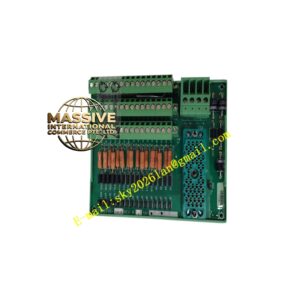
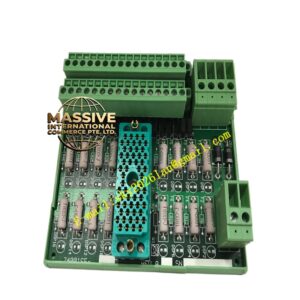
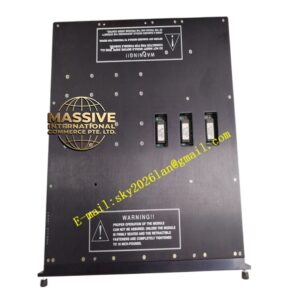
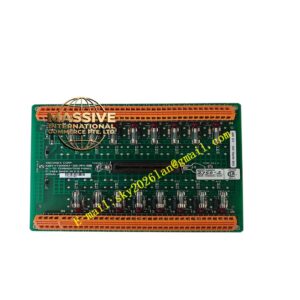
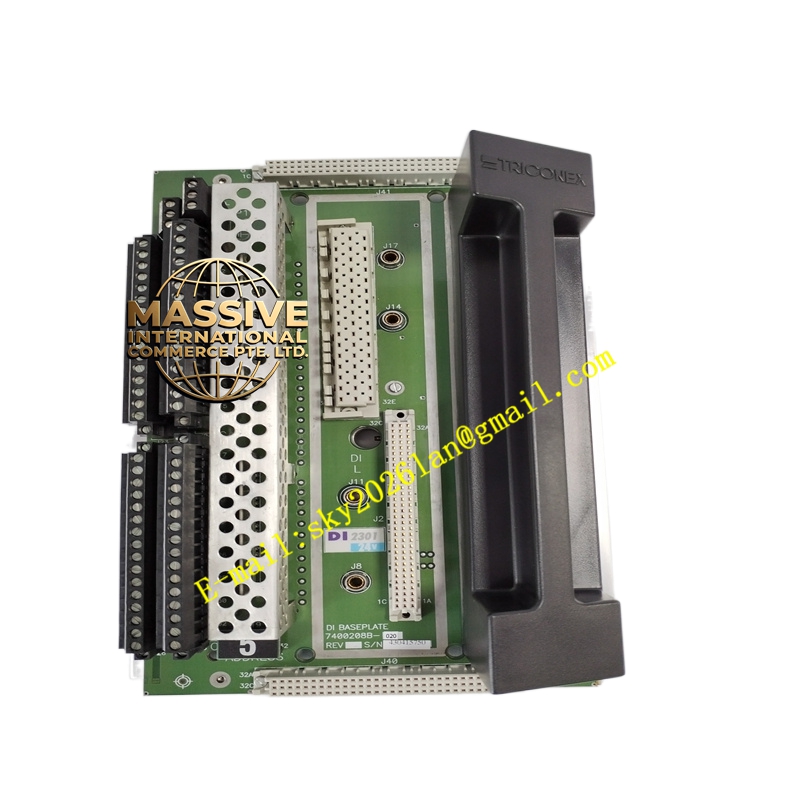
Triconex DI2301
Technical Specifications:
- Type: Digital input module
- Input voltage: Typically 24 V DC (verify with datasheet)
- Channels: Multiple digital input channels (e.g., 16 or 32; confirm per model)
- Response time: Fast response suitable for safety trips (e.g., ≤10 ms)
- Isolation: Channel-to-channel and channel-to-ground isolation
- Diagnostics: Per-channel diagnostics for open/short and field wiring faults
- Operating temperature: -40 °C to 70 °C (per Tricon system specs)
- Certifications: Designed for use in SIL 3 applications when part of TMR system
Functional Features:
- Monitors discrete state of field devices
- Provides noise immunity through filtering and isolation
- Supports hot-swap capability
- Diagnostics enhance maintenance and fault detection
- Compatible with Triconex Tricon/Trident chassis
Application Scenarios:
- ESD systems (valve position switches, limit switches, emergency stop contacts)
- F&G systems (detector status signals)
- BMS and HIPPS applications requiring discrete inputs
- Used in oil and gas, chemical, power, and other safety-critical industries
Performance Parameters:
- High reliability with TMR-compatible design
- Fast response to state changes for timely safety actions
- Long service life in demanding environments
Material and Structural Characteristics:
- PCB: Industrial-grade with protective coatings
- Connectors: High-reliability plugs for backplane and field wiring
- Terminals: Pluggable or screw terminals for field connections
Working Principle: Field devices are connected to the module inputs. The module conditions the signals, performs filtering, and presents the digital state to the Triconex main processors. Diagnostics monitor wiring and module health, reporting faults via system diagnostics. Installation Requirements:
- Install in a Triconex chassis with proper seating
- Connect field devices to the terminal board associated with the module
- Configure input filtering and debounce parameters as needed
- Verify correct wiring and grounding
Usage Notes:
- Use within rated voltage and current specifications
- Periodically check connections and diagnostic status
- Replace faulty modules with identical or approved equivalents
- Follow Triconex maintenance and safety procedures