


Description
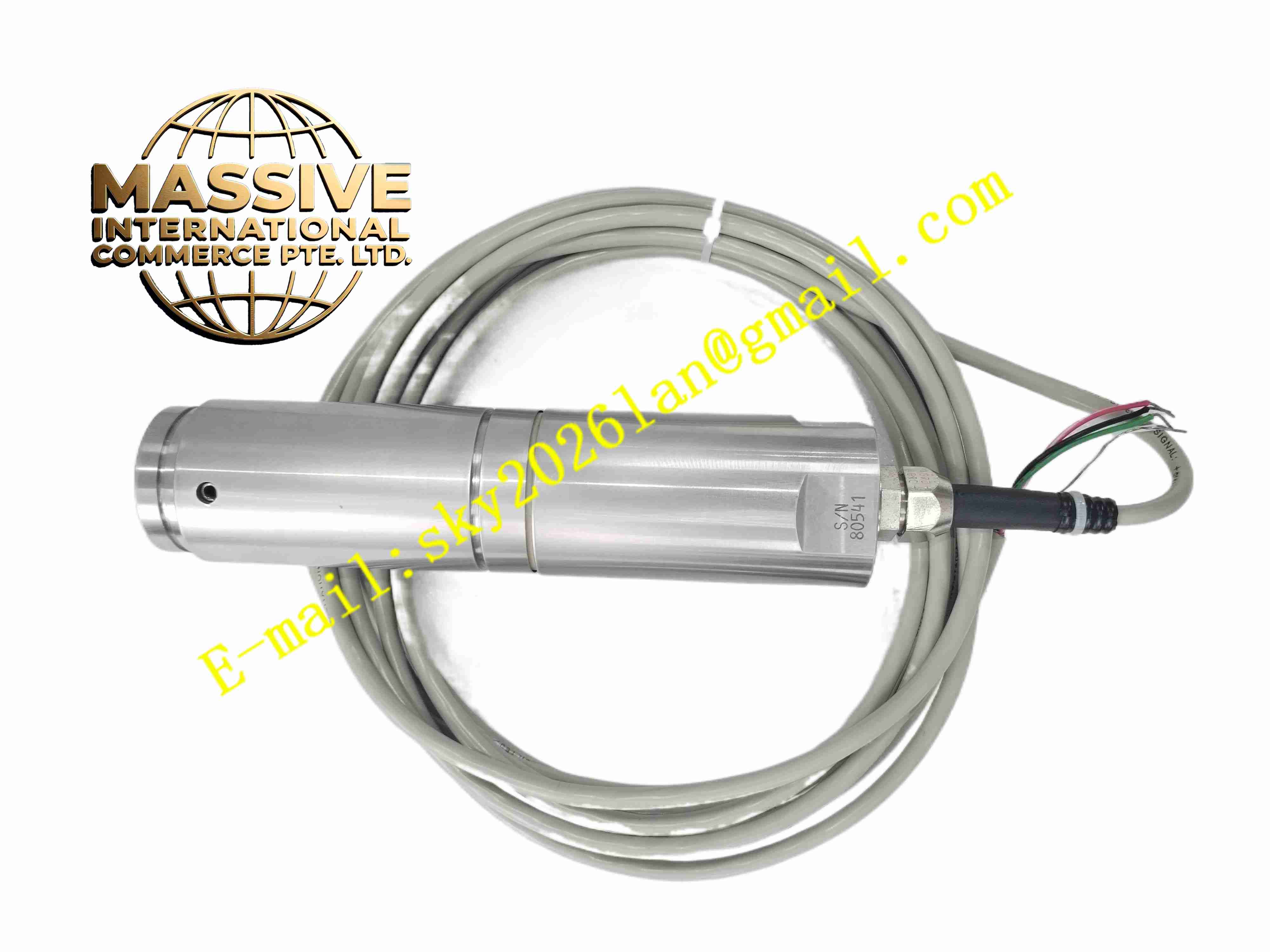
Vishay Nobel KIS-2 20 kN Load Cell
Technical Specifications
- Brand: Vishay Nobel / BLH Nobel
- Series: KIS-2
- Rated Load: 20 kN
- Combined Error: ±0.05% of rated output
- Repeatability: 0.01% of rated output
- Safe Overload: 200% of rated load
- Ultimate Overload: 300% of rated load
- Safe Uplift: 100% of rated load
- Ultimate Uplift: 120% of rated load
- Safe Side Load: 100% of rated load
- Ultimate Side Load: 200% of rated load
- Recommended Input Voltage: 10 V DC or AC
- Maximum Input Voltage: 18 V DC or AC
- Input Resistance: 350 ± 3 Ω
- Output Resistance: 350 ± 3 Ω
- Rated Output: 2.040 mV/V
- Rated Output Tolerance: ±0.25% of rated output
- Zero Balance: ±5% of rated output
- Creep at Rated Load after 30 Minutes: ±0.03% of rated load
- Temperature Range: -40 to +105°C
- Temperature Effect on Output: ±0.0033% of output/°C between -10°C and +50°C
- Temperature Effect on Zero Balance: ±0.0014% of rated output/°C between -10°C and +50°C
- Insulation Resistance: Greater than 4 GΩ at 200 V DC
- Protection Class: IP67
- Certifications: ATEX, IECEx, FM, and CSA certified versions are available on request
Functional Features
- High Accuracy: Combined error of ±0.05% of rated output supports precise process weighing.
- Strong Mechanical Robustness: Designed to withstand large side loads and dynamic process forces.
- Movable Load Point: Allows flexible installation while maintaining measurement accuracy.
- High Overload Capacity: Safe overload up to 200% and ultimate overload up to 300% improve survivability.
- Hazardous Area Compatibility: Certified versions are suitable for explosive atmospheres.
- Low Creep: ±0.03% of rated load after 30 minutes ensures stable long-term readings.
- Wide Temperature Range: Operates from -40°C to +105°C, with optional wider ranges available.
Application Scenarios
- Batch weighing and mixing systems
- Reactor and vessel weighing
- Hopper and silo scales
- Roller and conveyor weighing
- Process weighing in chemical, pharmaceutical, and food industries
- Steel mill and rolling mill force measurement
- Industrial test rigs and mechanical load monitoring
Performance Parameters
- Rated Load: 20 kN
- Accuracy Class: ±0.05% combined error
- Repeatability: 0.01% of rated output
- Creep: ±0.03% of rated load after 30 minutes
- Electrical Output: 2.040 mV/V
- Input/Output Resistance: 350 Ω nominal
- Protection: IP67
- Temperature Stability: Compensated between -10°C and +50°C
Material Composition
- Load Cell Body: Stainless steel
- Bracket, Yoke, and Tilt Guard: Yellow chromate steel
- Optional Stainless Steel Construction: Available for brackets and accessories
- Cable: Shielded four-conductor cable, typically 5 m for Nobel version or 10 m for BLH version
Structural Features
- Compact Column-Type Design: Suitable for integration into weighing supports and mechanical structures.
- High Side-Load Resistance: Mechanical design tolerates lateral forces without loss of accuracy.
- Movable Load Point: Helps accommodate thermal expansion and mechanical misalignment.
- Sealed Construction: IP67 protection supports operation in wet, dusty, and washdown environments.
- Shielded Cable: Reduces electrical noise interference in industrial installations.
Working Principle
The KIS-2 load cell uses a strain-gauge bridge structure. When a force is applied, the stainless-steel body deforms slightly, causing a change in resistance within the strain gauges. This resistance change produces a small millivolt-level output signal proportional to the applied load. The output is then amplified and processed by a weighing transmitter or instrumentation system to display weight, force, or process value.
Installation Requirements
- Mount the load cell on a rigid, flat, and level support structure.
- Ensure that the load is applied through the designated load point.
- Avoid excessive side loads, torsion, or impact loading beyond rated limits.
- Use appropriate mechanical stops to prevent overload during installation or maintenance.
- Keep the cable away from moving parts, sharp edges, and high-temperature surfaces.
- Ground the weighing system properly to reduce electrical interference.
- In hazardous areas, use only certified versions and follow explosion-protection installation rules.
Precautions for Use
- Do not exceed the rated load or safe overload limits.
- Protect the load cell from welding currents passing through its body.
- Avoid applying uplift forces beyond the specified safe uplift rating.
- Use a suitable weighing indicator or transmitter compatible with mV/V bridge sensors.
- Verify shunt calibration values if the system supports electrical verification.
- Keep connectors and cable entries dry and mechanically protected.
- For exact mechanical dimensions, cable length, and certification details, refer to the official Vishay Nobel KIS-2 datasheet.