


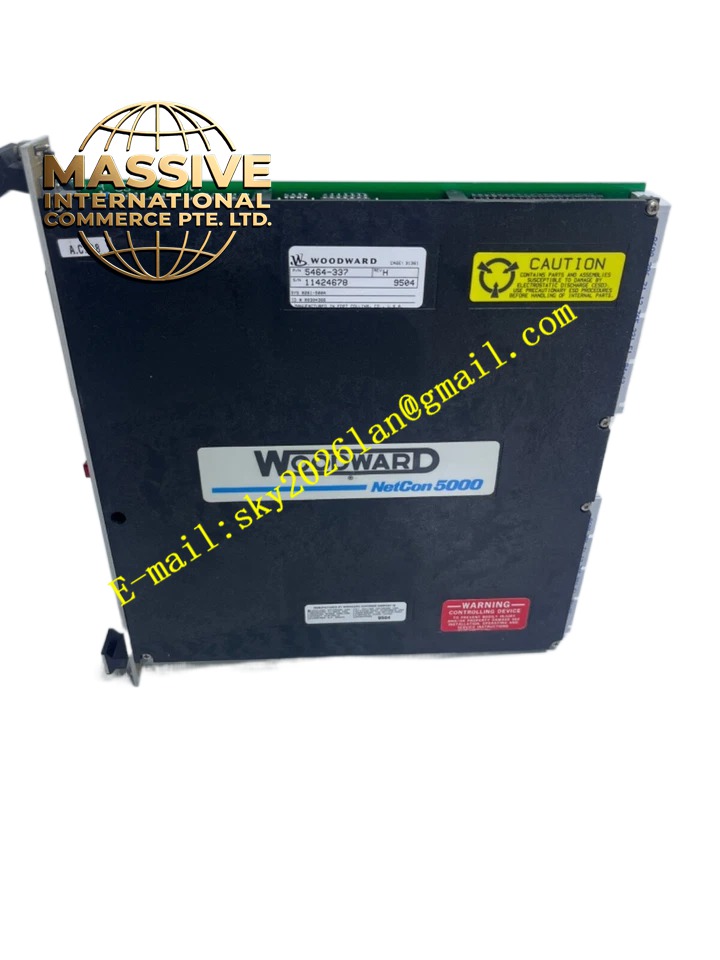
Description
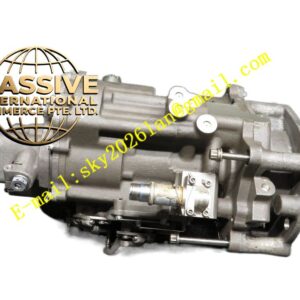
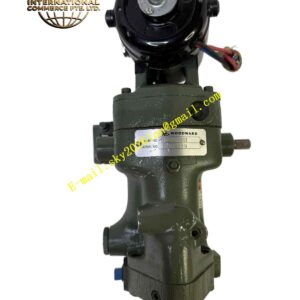
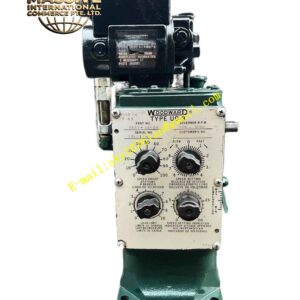
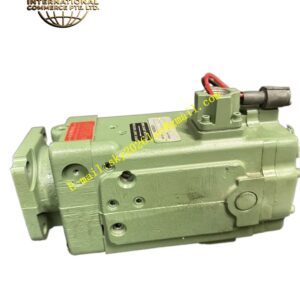
Woodward 5216-146
Technical Specifications:
- Brand: Woodward
- Model: 5216-146
- Product Type: Electro-Hydraulic Converter
- Input Signal: Standard industrial analog control signals
Functional Features:
- High-Precision Conversion: Provides highly accurate electro-hydraulic translation, ensuring precise valve positioning and fuel rack control.
- Robust Communication: Equipped with standard communication interfaces for easy integration with digital control systems.
- Wide Temperature Operation: Capable of stable operation across a wide temperature range, adapting to extreme industrial environments.
Application Scenarios:
Essential in power generation, aerospace, and transportation sectors. Used to control hydraulic调速器 (governors), fuel valves, and actuator systems in turbines and large reciprocating engines.
Performance Parameters:
- Control Efficiency: Greater than 90%, minimizing energy loss during signal conversion
- Dynamic Response: Extremely fast, ensuring rapid system stabilization during sudden load changes
- Operating Temperature: -20°C to +50°C (Standard industrial range)
Material Composition:
Constructed with high-strength, corrosion-resistant metallic housings and precision-machined internal hydraulic spools to prevent internal leakage and ensure long service life.
Structural Characteristics:
Compact and rugged design featuring standard industrial mounting flanges and high-pressure hydraulic ports. Includes integrated electrical connectors for secure signal transmission.
Working Principle:
Receives a low-power electrical control signal from the digital controller and converts it into a proportional hydraulic pressure or mechanical displacement, directly driving the fuel rack or steam valve to regulate engine/turbine speed and load.
Installation Requirements:
Hydraulic lines must be thoroughly flushed before installation to prevent contamination of the precision spool. Ensure the electrical connector is securely locked and shielded from high-voltage cables.
Usage Precautions:
Maintain strict hydraulic fluid cleanliness standards. Never apply excessive mechanical force to the electrical connector. Regularly inspect for hydraulic leaks and perform calibration checks during scheduled maintenance.